
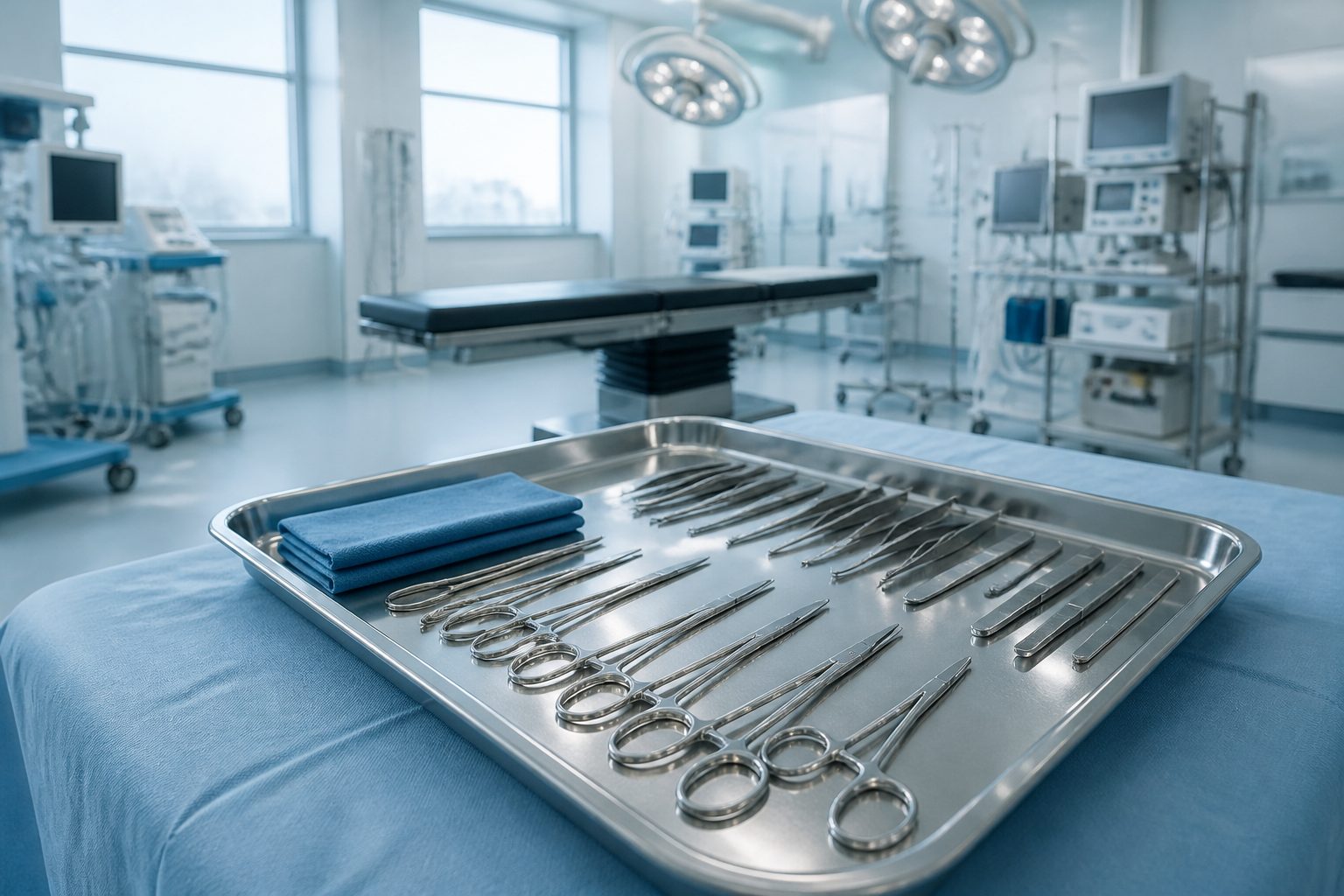
Patients considering hernia repair face two main surgical options: open and laparoscopic procedures. Costs for open hernia repair typically range from $2,000–$5,000, while laparoscopic repair usually costs between $2,500–$7,500, depending on where you are treated.
This guide explains the differences between the two techniques, compares their benefits and drawbacks, and details what you can expect to pay for both open and laparoscopic hernia surgery in major medical travel destinations.
Understanding hernia repair: open vs laparoscopic
A hernia develops when an internal organ or tissue, most commonly part of the intestine, pushes through a weakened area in the abdominal wall. Surgical repair is the standard treatment for most symptomatic hernias to prevent complications such as pain, obstruction, or strangulation of the bowel. There are two primary surgical approaches: open and laparoscopic hernia repair. Both are effective, but they differ in technique, recovery, and cost.
- Open hernia repair: In this traditional approach, the surgeon makes a single, direct incision over the hernia site. The protruding tissue is gently repositioned, and the weakened abdominal wall is reinforced, usually with a synthetic surgical mesh. This method is widely used for all types of hernias and is especially suitable for large, complex, or strangulated hernias. Recovery typically involves a hospital stay of 1–2 days and a gradual return to normal activities over several weeks. Open repair is generally less expensive and requires less specialized equipment, making it the preferred option in resource-limited settings or where cost is a major concern.
- Laparoscopic hernia repair: This minimally invasive technique involves making several small incisions through which a camera and long, thin instruments are inserted. The surgeon operates from inside the abdomen, using a video monitor to guide the repair and mesh placement. Laparoscopic repair is particularly advantageous for bilateral or recurrent hernias, as both sides can be addressed through the same incisions. Recovery is usually faster, with many patients discharged the same day or after an overnight stay, and a quicker return to daily activities. However, it requires general anesthesia, specialized equipment, and advanced surgical skills, which can increase the cost and may not be suitable for all patients or hernia types.
Choosing between open and laparoscopic repair depends on several factors, including the size and location of the hernia, your overall health, any previous abdominal surgeries, and personal preferences regarding recovery time, pain, and scarring. In some countries, such as the UK or Australia, laparoscopic techniques are increasingly favored for suitable cases, while in others, open repair remains the most common due to cost or resource constraints. It is important to discuss your options with a qualified surgeon, who can help you weigh the benefits and drawbacks of each approach based on your individual needs and circumstances.
Typical costs in major countries
Hernia repair costs vary significantly worldwide. Factors influencing price include hospital reputation, surgeon experience, the complexity of your case, and whether you choose open or laparoscopic surgery. The table below compares average out-of-pocket costs for self-paying patients in key countries:
| Country | Open repair | Laparoscopic repair | Notes |
|---|---|---|---|
| India | $1,200–$2,500 (₹1–2 lakh) | $1,800–$3,500 (₹1.5–3 lakh) | Widely available, short waiting times |
| Thailand | $2,500–$4,000 (฿90,000–145,000) | $3,000–$5,500 (฿110,000–200,000) | Internationally accredited hospitals |
| Turkey | $2,000–$3,000 (₺65,000–98,000) | $2,800–$4,500 (₺91,000–146,000) | Popular for European patients |
| United Arab Emirates | $3,000–$5,000 (AED 11,000–18,000) | $4,500–$7,000 (AED 16,500–25,500) | Modern private hospitals |
| United States | $4,000–$7,000 | $6,000–$12,000 | Higher costs, insurance may cover part |
| United Kingdom | $3,500–$6,000 (£2,800–£4,800) | $5,000–$8,500 (£4,000–£6,800) | NHS may cover; private care for shorter waits |
| Singapore | $4,000–$6,000 (S$5,400–$8,100) | $5,500–$8,500 (S$7,400–$11,400) | High standards, transparent pricing |
| Philippines | $1,800–$3,000 (₱100,000–170,000) | $2,500–$4,000 (₱140,000–225,000) | Affordable private hospitals |
| Malaysia | $2,000–$3,200 (RM 9,000–14,500) | $2,800–$4,500 (RM 12,700–20,400) | Popular for regional medical tourists |
| Germany | $4,500–$7,000 (€4,100–6,400) | $6,000–$10,000 (€5,500–9,200) | Renowned surgical expertise |
What is included in the price
When evaluating the quoted price for hernia surgery, it is crucial to understand exactly what is covered, as inclusions can vary widely between hospitals and countries. Most reputable hospitals provide a comprehensive package that typically encompasses several standard services and items. These usually include the pre-surgical consultation, during which your surgeon will assess your health status and suitability for surgery. Basic laboratory tests, such as blood work and routine screening, are also standard, ensuring you are fit for anesthesia and surgery. The surgical fees themselves cover the expertise of the surgeon, anesthesiologist, and nursing staff. Charges for the use of the operating room, surgical equipment, and any disposable instruments or supplies are also generally included.
- Pre-surgical consultation and routine laboratory tests to assess surgical risk
- All professional surgical fees, including the surgeon, anesthesiologist, and nursing team
- Operating room usage, surgical instruments, and high-quality mesh if required
- Standard medications administered during the hospital stay, such as antibiotics and pain control
- Consumables like dressings, sutures, and IV fluids
- Hospital accommodation for the usual recovery period (1–2 days for open repair, same-day or overnight for laparoscopic)
- Routine post-operative care and follow-up visits within the hospital
However, not all costs are always included in the base price. Extended hospital stays due to complications, additional or specialized medications, and advanced imaging (such as ultrasound or CT scans) may attract extra charges. Take-home prescription drugs for pain management or infection prevention are often billed separately. For patients traveling internationally, expenses such as airfare, local transportation, accommodation outside the hospital, meals, and even visa fees are usually not part of the surgical package. In some countries, such as the United States or Germany, itemized billing is common, so patients should always request a detailed quote and clarify what is and isn’t included. In contrast, hospitals in India, Thailand, or Turkey may offer more all-inclusive packages, but it is still wise to confirm the specifics in writing before committing to surgery.
- Extended hospital stays due to complications or co-morbidities
- Pre-operative imaging (ultrasound, CT scan) if deemed necessary by the surgeon
- Specialized post-surgical devices (such as abdominal binders) or additional medications
- All take-home medications and supplies for wound care
- Travel, accommodation, meals, and local transportation for patients and companions
To avoid unexpected expenses, always ask for a comprehensive cost breakdown and clarify which services are included in the quoted price, especially when comparing hospitals across different countries.
Benefits and drawbacks of open repair
Open hernia repair is the oldest and most widely performed technique. It is suitable for most types of hernias and can be performed under local, regional, or general anesthesia. Recovery is usually straightforward, with a return to light activity in 1–2 weeks and full activity in 4–6 weeks. For large or complicated hernias, open surgery is often preferred.
The main drawbacks are a longer incision (resulting in a more visible scar) and potentially more post-operative pain compared to laparoscopic repair. The risk of wound infection is slightly higher, but serious complications are rare in experienced hands. Open repair may be the better choice for patients with previous abdominal surgeries or those unsuitable for general anesthesia.
Benefits and drawbacks of laparoscopic repair
Laparoscopic hernia repair, commonly referred to as keyhole surgery, involves making several small incisions in the abdomen through which a camera and specialized instruments are inserted. This minimally invasive technique offers several distinct advantages. The smaller incisions result in less tissue trauma, which means patients typically experience less post-operative pain and require fewer pain medications compared to open surgery. Cosmetic outcomes are also improved, as the scars are much less visible. Recovery is generally faster; most patients can return to light activities within a week and resume normal work or exercise routines within two to three weeks, making this approach particularly appealing for those with active lifestyles or demanding jobs.
Another major benefit is the reduced risk of wound infection, as the smaller incisions are less prone to bacterial contamination. For patients with bilateral (both sides) hernias or recurrent hernias (those that have returned after previous surgery), the laparoscopic approach allows for both sides to be repaired in a single procedure with minimal additional trauma. This efficiency can reduce overall recovery time and the need for multiple surgeries. In many countries, including the US, UK, and Australia, laparoscopic repair is increasingly preferred for suitable candidates due to these advantages.
However, laparoscopic hernia repair is not without drawbacks. The technique is technically more demanding, requiring specialized training and experience, which can limit its availability in some regions and contribute to higher surgical fees. General anesthesia is required, which may not be suitable for all patients, especially those with significant underlying health conditions. There is a small but real risk of injury to internal organs such as the bladder, intestines, or blood vessels, particularly in cases of large or complex hernias. Certain hernias—such as very large, longstanding, or strangulated hernias—may not be suitable for laparoscopic repair and are better managed with open surgery.
Cost is another important consideration. Laparoscopic procedures generally involve higher upfront costs due to the need for advanced equipment, longer operating room time, and the expertise required. In countries like the United States, this can mean several thousand dollars more than open repair. In contrast, in countries with lower labor costs, such as India or Thailand, the price difference may be less pronounced, making laparoscopic options more accessible. Ultimately, the decision should be made in consultation with a qualified surgeon, weighing the risks, benefits, and costs specific to your situation.
What drives the price: key factors
The overall cost of hernia repair surgery is influenced by several interrelated factors, each contributing to the final bill in different ways. Understanding these cost drivers helps patients make informed decisions and anticipate potential out-of-pocket expenses. The complexity and type of hernia are primary considerations—larger, recurrent, or strangulated hernias often require more intricate surgery, longer operating times, and sometimes specialized or more expensive mesh materials. This complexity not only increases the direct surgical costs but can also extend the length of the hospital stay and the amount of post-operative care required.
- Type of hernia and complexity: Simple inguinal hernias are generally less expensive to repair than large ventral or incisional hernias. Recurrent hernias, or those with complications such as strangulation or bowel involvement, can significantly increase both surgical and hospital costs.
- Surgical approach: Laparoscopic (minimally invasive) repair typically costs more than open surgery due to the need for advanced equipment, specialized surgical skills, and sometimes longer time in the operating theater. However, faster recovery may offset some costs related to time off work.
- Hospital reputation and accreditation: Hospitals with international accreditations such as JCI (Joint Commission International) or NABH (National Accreditation Board for Hospitals) often charge higher fees, reflecting their commitment to quality, safety, and highly trained staff. Renowned surgeons may also command premium fees, especially in countries like the US, UK, or Singapore.
- Location: The geographic location of the hospital is a major factor. Urban centers and private hospitals in countries like the US, Australia, or Western Europe tend to have higher prices than public hospitals or facilities in smaller towns. In countries such as India, Thailand, or Mexico, costs are generally lower, even in major cities, due to differences in labor and infrastructure expenses.
- Length of stay: Most hernia repairs are now performed as day cases or with minimal overnight stays, but any complications, coexisting health issues, or the need for intensive monitoring can extend the hospital stay and add to the cost. This is especially relevant for elderly patients or those with chronic illnesses.
For international patients, additional costs such as travel, accommodation, meals, and sometimes even translation services must be considered. These can vary dramatically depending on the destination country and the duration of stay. For example, medical tourists in India or Turkey often benefit from affordable accommodation and bundled service packages, while those seeking care in the US or Western Europe may face significantly higher ancillary expenses. Always factor in these logistical costs when budgeting for hernia repair abroad.
How to choose the right approach and hospital
Selecting the most appropriate surgical approach and hospital for hernia repair is a decision that should be made in close consultation with a qualified surgeon. Your choice will depend on several factors, including your medical history, the specific characteristics of your hernia (such as size, location, and whether it is recurrent), and your personal preferences about recovery time, pain, and scarring. The surgeon will assess your fitness for either open or laparoscopic repair, taking into account any previous abdominal surgeries, existing health conditions, and the complexity of the hernia itself.
- Investigate the hospital’s record for hernia surgeries, including complication rates, infection control measures, and patient outcomes. Inquire if the hospital has dedicated surgical teams for hernia repair and whether it uses up-to-date mesh and equipment.
- Verify the surgeon’s qualifications, board certifications, and experience with both open and laparoscopic techniques. For international patients, it is also important to ensure the surgeon and staff are comfortable communicating in your language or have access to reliable translators.
- Request a detailed, itemized breakdown of the quoted price. Confirm what is included in the package—such as consultations, surgery, anesthesia, mesh, hospital stay, medications, and follow-up care—and what might incur additional charges, such as extended hospitalization or extra diagnostic tests.
- Prefer hospitals with recognized international accreditations like JCI (Joint Commission International) or NABH (National Accreditation Board for Hospitals and Healthcare Providers), which indicate adherence to high standards of safety and patient care.
- Look for hospitals with dedicated international patient coordinators who can assist with logistics such as visa support, airport transfers, accommodation arrangements, and translation services. This is especially important for those traveling from abroad for surgery.
In many countries popular for medical tourism, such as India, Turkey, or Thailand, hospitals offer comprehensive packages tailored for international patients. These may include not only the surgery itself but also airport pick-up, hotel accommodation, meals, and even sightseeing options. Always request a written treatment plan and a formal cost estimate before making your decision. Compare several hospitals and surgeons, read patient reviews, and do not hesitate to ask questions about outcomes, recovery expectations, and what support will be available to you during your stay. Taking these practical steps will help ensure you receive safe, high-quality care at a transparent and reasonable cost.
Hidden costs and how to save safely
While package prices can be attractive, patients should be vigilant about potential extra costs. These may include further diagnostic tests, additional nights in hospital, or consultations for unrelated conditions. It is wise to budget an extra 10–20% over the quoted price for unforeseen expenses.
To save money safely:
- Schedule surgery during off-peak periods (some hospitals offer seasonal discounts)
- Consider reputable hospitals in less expensive cities
- Ask about the necessity of advanced mesh options
- Bring recent medical records and test results to avoid repeat investigations
- Use hospital-arranged accommodation or recommended guesthouses rather than hotels
Never compromise on hospital accreditation or surgeon experience to save costs. The cheapest option may not provide the best outcome or safety standards.
Frequently asked questions
Is laparoscopic hernia repair always better than open repair?
No. Both techniques are effective, and the best approach depends on the hernia type, your health, and the surgeon’s expertise. Laparoscopic repair offers faster recovery for many but is not suitable for all cases.
How long will I need to stay in hospital after hernia surgery?
Most patients stay 1–2 nights for open repair and may be discharged the same day or after one night for laparoscopic repair. Longer stays may be needed for complex cases or if complications arise.
Can I fly after hernia surgery?
Most surgeons recommend waiting at least 7–10 days before flying after hernia surgery, to reduce the risk of complications. Always follow your surgeon’s advice and arrange for adequate rest before travel.
Will my insurance cover hernia surgery abroad?
Some international insurance plans cover elective surgery abroad, but many do not. Check with your insurer before making arrangements and ask the hospital about direct billing or reimbursement support.
Is mesh always used in hernia repair?
Mesh is commonly used in both open and laparoscopic repairs to reduce recurrence risk. In some small hernias, especially in children, mesh may not be necessary. Your surgeon will advise you based on your case.
Related guides
Disclaimer: Prices in this article are indicative and will vary by hospital, surgeon, and your individual case. Always obtain a detailed written quote and consult a qualified doctor before making treatment decisions.