
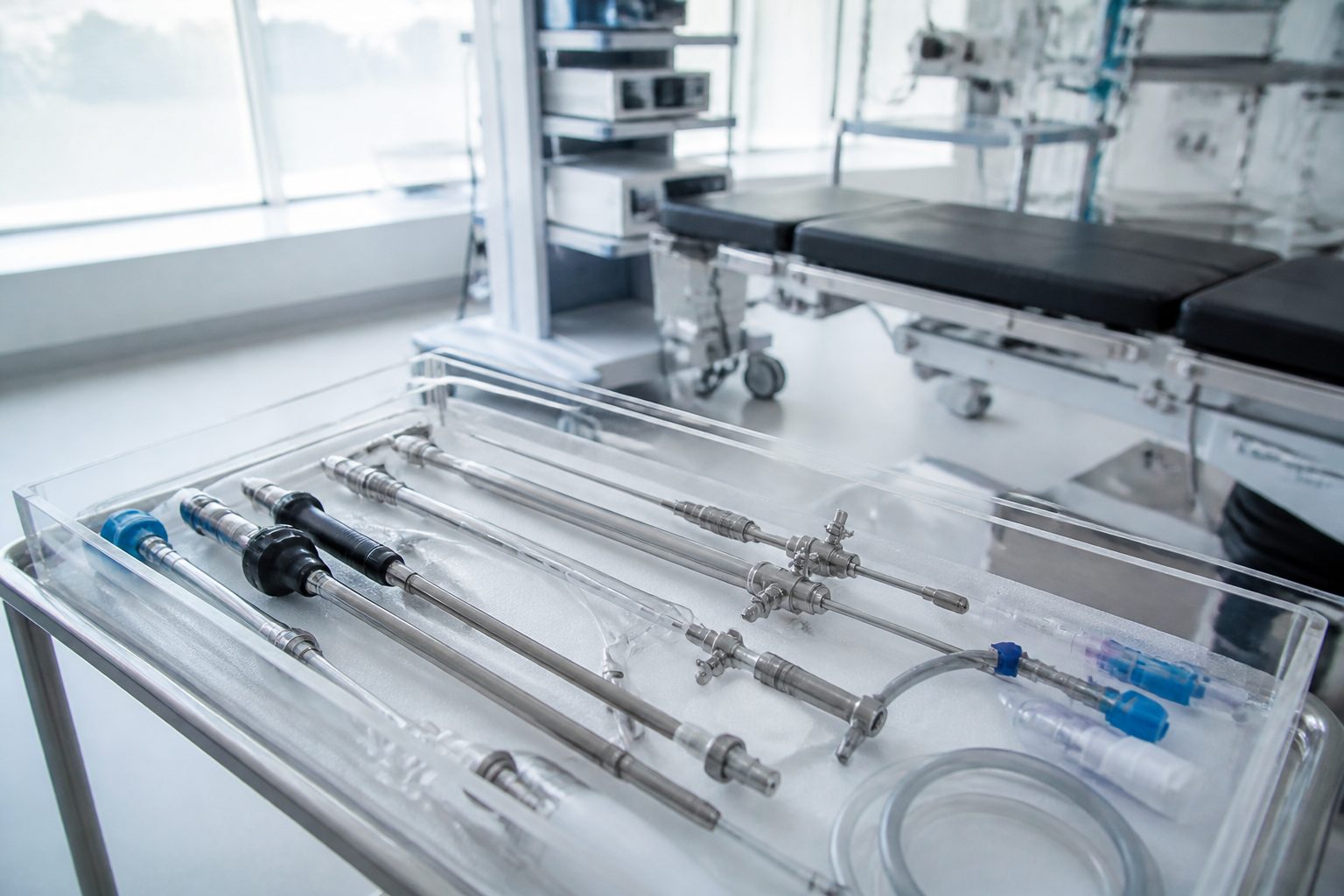
If you or someone you care for has been diagnosed with a kidney stone, you have several removal options. Treatments range from watchful waiting and medication to advanced minimally invasive procedures. The right choice depends on stone size, symptoms, and access to care.
Costs for kidney stone removal vary widely. In India and Southeast Asia, common procedures may cost $800–$3,500. In the US or UK, the same treatments can range from $6,000 to over $20,000. This guide will help you understand your choices and what to expect financially.
What are kidney stones and when is removal needed?
Kidney stones are solid masses formed by the crystallization of minerals and salts, most commonly calcium oxalate, within the kidneys. They vary in size from tiny grains to large stones that can occupy significant portions of the renal pelvis. The risk of developing kidney stones is influenced by factors such as dehydration, dietary habits (high salt, protein, or oxalate intake), family history, certain medical conditions (e.g., gout, hyperparathyroidism), and living in hot climates where fluid loss is more common.
Small stones (usually less than 5 mm) may pass spontaneously with increased fluid intake and pain control. However, larger stones, stones that become lodged in the urinary tract, or those causing persistent pain, infection, or obstruction often require medical intervention. In countries like the US, UK, and Australia, guidelines recommend removal for stones that cause severe symptoms, recurrent infections, impaired kidney function, or cannot pass naturally within a reasonable timeframe. In some Asian countries, earlier intervention is sometimes preferred to avoid complications.
Common symptoms include sudden and severe pain in the back or side (renal colic), hematuria (blood in urine), nausea, vomiting, frequent or painful urination, and sometimes fever or chills if infection is present. If you experience high fever, uncontrollable pain, vomiting, or difficulty passing urine, seek emergency care immediately—these can signal a blocked kidney or sepsis, which are life-threatening without prompt treatment.
Timely removal is especially important if the stone is causing infection or blocking urine flow, as this can lead to kidney damage or systemic infection. Your doctor will determine the best course of action based on stone size, location, composition, your symptoms, and overall health.
Overview of kidney stone removal options
Your doctor will recommend a treatment based on the stone’s size, location, composition, your overall health, and available technology. The main options are:
- Conservative management: For small stones, increasing fluid intake, pain relief, and medications may help pass the stone naturally.
- Extracorporeal Shock Wave Lithotripsy (ESWL): Non-invasive sound waves break up stones so you can pass them in urine. Usually for stones up to 2 cm.
- Ureteroscopy (URS): A thin tube is passed through the urethra and bladder to the stone. The stone is broken up with a laser or removed with a basket.
- Percutaneous Nephrolithotomy (PCNL): For large or complex stones, a small incision is made in the back to remove the stone directly from the kidney.
- Open or laparoscopic surgery: Rarely needed, but used for very large stones or abnormal anatomy.
Each option has specific benefits, risks, and recovery times. ESWL and ureteroscopy are usually day procedures, while PCNL may require a short hospital stay.
Cost comparison of kidney stone removal in major countries
Costs depend on the procedure, hospital, city, and whether you are treated as an international patient. The following table gives indicative self-pay prices for a single stone removal (without complications or extended hospital stay). These ranges include surgeon, anaesthesia, basic investigations, and hospital charges, but not travel, hotel, or unrelated medical costs.
| Country | ESWL | Ureteroscopy (URS) | PCNL | Currency |
|---|---|---|---|---|
| India | $800–$1,600 (₹65,000–1.3 lakh) | $1,000–$2,000 (₹80,000–1.6 lakh) | $2,000–$3,500 (₹1.6–2.9 lakh) | USD/INR |
| Thailand | $1,200–$2,500 | $1,800–$3,000 | $3,000–$5,000 | USD |
| Philippines | $1,000–$2,000 (₱56,000–112,000) | $1,200–$2,200 (₱67,000–123,000) | $2,200–$3,800 (₱123,000–212,000) | USD/PHP |
| US | $7,000–$15,000 | $8,000–$18,000 | $12,000–$25,000 | USD |
| UK (private) | $4,000–$7,000 (£3,200–£5,500) | $5,500–$9,000 (£4,400–£7,200) | $8,000–$15,000 (£6,400–£12,000) | USD/GBP |
| Germany | $4,500–$8,000 (€4,200–€7,500) | $6,000–$10,000 (€5,600–€9,300) | $8,000–$16,000 (€7,500–€14,900) | USD/EUR |
| Turkey | $1,500–$2,800 | $1,800–$3,200 | $3,200–$5,000 | USD |
| UAE | $2,500–$4,000 (AED 9,200–14,700) | $3,500–$5,500 (AED 13,000–20,200) | $5,000–$8,000 (AED 18,400–29,400) | USD/AED |
These are average self-pay prices for uncomplicated cases. Prices in public hospitals may be lower for local residents. International patients may pay more for fast-track service or private rooms.
What is included and not included in the price
Understanding what is included in your quoted price for kidney stone removal is crucial for budgeting and avoiding unexpected expenses. Most standard packages offered by hospitals in countries like India, Turkey, or Thailand typically include:
- Professional fees for the surgeon and anesthetist
- Hospital bed charges for a standard stay (usually 1–2 days for uncomplicated cases)
- Routine medications and consumables used during your admission (e.g., IV fluids, painkillers, antibiotics)
- Basic pre-operative investigations such as blood tests, urine analysis, X-rays, and ultrasound scans
However, several items are commonly not included in package prices and may significantly add to your final bill:
- Advanced imaging (CT scans, MRI) if required for complex stones or unclear anatomy
- Extended hospital stays if complications arise (e.g., infection, bleeding, delayed recovery)
- Specialized equipment (e.g., laser fibers, baskets for stone retrieval, or special stents) if your case needs them and they are not part of the standard protocol
- Consultations with other specialists if you have co-existing health conditions that require additional management
- Follow-up outpatient visits, suture removal, or repeat imaging after discharge
- Non-medical costs such as airfare, local transportation, hotel accommodation, and meals for you and any companions
Costs can also vary depending on the country and hospital. For example, private hospitals in the US or Western Europe often charge separately for every item, while many Asian hospitals offer more inclusive packages. Always request a detailed, itemized written quotation before committing to treatment. Ask specifically about potential extra costs in the event of complications or if additional procedures are needed. This transparency will help you plan your budget and avoid unpleasant surprises during your recovery.
What drives the cost of kidney stone removal
Several factors influence the cost of kidney stone procedures:
- Type of procedure: ESWL is less expensive than PCNL or open surgery. URS costs depend on the instruments used.
- Stone size and location: Larger or multiple stones may require more complex procedures or equipment.
- Hospital category: Tertiary care or internationally accredited (JCI, NABH) hospitals usually cost more but may offer more advanced technology and infection control.
- Doctor’s experience: Senior urologists may charge higher fees, but this can mean greater safety for complex cases.
- City and country: Costs are higher in major cities and developed countries due to overheads and staff salaries.
- International patient services: Extra charges may apply for interpreters, coordinators, and private rooms.
For a simple, single stone, costs may be at the lower end of the range. Complicated stones, additional procedures, or longer stays can increase your bill significantly.
How to choose the right hospital and doctor
Choosing the right hospital and doctor for kidney stone removal is a critical decision that can impact both your health outcomes and your overall experience. Start by seeking hospitals with a dedicated urology department, as these are more likely to have specialized staff and advanced facilities for treating kidney stones. In countries such as India, Turkey, or Thailand, many hospitals offer internationally accredited urology centers (look for JCI or NABH accreditation), which can be an indicator of adherence to high standards of patient care, safety, and hygiene. However, do not overlook reputable hospitals without international accreditation, especially if they have a strong track record in urological procedures.
- Volume of cases: Ask how many kidney stone procedures the hospital and your prospective urologist perform each year. Higher case volumes usually correlate with greater expertise and better outcomes.
- Technology and equipment: Inquire about the availability of modern equipment such as laser lithotripsy, flexible ureteroscopes, and extracorporeal shock wave lithotripsy (ESWL) machines. The latest technology often means less invasive procedures and faster recovery.
- Complication and re-treatment rates: Request data on the hospital’s complication rates and the frequency with which patients require repeat procedures. Lower rates are a sign of experienced teams and good protocols.
- Infection control: Especially important if you are traveling internationally, robust infection control protocols reduce the risk of post-operative complications. Ask about their sterilization processes and infection rates.
- International patient support: Facilities catering to international patients often provide visa assistance, airport pickup, interpreter services, and help with local accommodation. These services can ease your journey and recovery.
When comparing hospitals in different countries, consider not just the cost but also the expertise, technology, and support services offered. It is always reasonable to seek a second opinion, especially if you are uncertain about the proposed treatment plan or costs. Many reputable hospitals now offer remote consultations, allowing you to discuss your case with a specialist before committing to travel. This can help you make an informed decision and avoid unnecessary expenses or procedures.
How to save money safely
Reducing the cost of kidney stone removal does not have to compromise your safety or quality of care. Start by researching high-quality hospitals in countries known for affordable yet advanced medical services, such as India, Turkey, Thailand, or the Philippines. These destinations often offer procedures at a fraction of the cost in the US, UK, or Australia, while maintaining excellent standards in top-tier facilities.
- Package pricing: Ask hospitals for comprehensive package deals that include the surgeon’s fees, hospital stay, anesthesia, standard medications, and routine investigations. Clarify what is covered and what happens if complications extend your stay or require additional procedures.
- Procedure options: Discuss with your doctor whether less expensive, minimally invasive procedures like ESWL (shock wave lithotripsy) are suitable for your stone size and location. These can significantly reduce both cost and recovery time compared to surgical removal.
- Travel timing: Plan your treatment during off-peak seasons for both medical tourism and flights. Hospitals may have more availability, and you can save on travel and accommodation costs.
- Insurance: Check if your health insurance covers overseas treatment, or if you can be reimbursed for elective procedures abroad. Some international insurers offer direct billing arrangements with select hospitals.
- Local follow-up: If possible, arrange for follow-up care with a local urologist at home to avoid multiple trips abroad.
While looking for savings, never compromise on essential safety factors such as proper sterilization, the qualifications and experience of your surgeon, and the hospital’s ability to handle emergencies. Avoid clinics that cut corners or have unclear pricing. Always request a detailed written quote, and consider the total cost including travel, accommodation, and unforeseen expenses. Remember, the cheapest option is not always the safest—prioritize your health above all else.
Planning your kidney stone removal: Practical tips
Proper planning is essential for a smooth and successful kidney stone removal, especially if you are traveling abroad for treatment. Begin by gathering and sharing all your relevant medical records, including recent blood tests, imaging (X-rays, CT scans, ultrasounds), and a list of current medications, with your chosen hospital. This allows your medical team to assess your case accurately and recommend the most suitable procedure before you arrive.
- Recovery and travel: Ask your doctor about the expected recovery period and when it will be safe for you to travel home. For minimally invasive procedures, you may be cleared for travel within a few days, but complications can extend your stay. Build flexibility into your travel plans and avoid booking non-refundable flights.
- Chronic conditions: If you have underlying health issues such as diabetes, hypertension, or heart disease, inform your treating team in advance. This helps them anticipate and manage potential risks during and after surgery.
- Companionship: Arrange for a family member or friend to accompany you, especially if you expect limited mobility or need help with daily activities after the procedure. Some hospitals offer recovery suites or nearby accommodation for companions.
- Visa and entry requirements: Medical visas are required for treatment in countries like India and Turkey. Check the specific requirements, processing times, and any pandemic-related restrictions before booking your trip.
- Emergency contacts and insurance: Keep a list of emergency contacts, both local and at home, as well as your travel and medical insurance details. Ensure your insurance covers medical evacuation in case of unforeseen complications.
- Local logistics: Plan for ground transportation from the airport to your hospital or hotel, and familiarize yourself with the area. Many hospitals offer airport pickup and drop-off services for international patients.
Most patients can expect to return home within a week after kidney stone removal, but unforeseen issues such as infection, bleeding, or delayed recovery can require longer stays. Always budget extra time and funds for contingencies, and maintain regular communication with your treatment coordinator. Careful preparation will help minimize stress and ensure the best possible outcome from your kidney stone procedure.
Frequently asked questions
How long will I stay in the hospital for kidney stone removal?
For ESWL and ureteroscopy, most patients are discharged the same day or after one night. PCNL usually requires 2–3 days in hospital. Complex cases or complications may extend the stay.
Is kidney stone removal painful?
Modern techniques are performed under anaesthesia, so you should not feel pain during the procedure. Some discomfort or mild pain is common during recovery, which can be managed with medication.
Can I choose which procedure I get?
Your doctor will recommend the safest and most effective option based on stone size, location, and your health. In some cases, more than one method may be suitable, and you can discuss preferences, costs, and recovery with your doctor.
Are there risks of complications?
All procedures carry some risks, including infection, bleeding, injury to the urinary tract, and recurrence of stones. Choosing an experienced team and following instructions can reduce these risks.
Will my insurance cover treatment abroad?
Some international health insurance policies cover elective surgery overseas, but many do not. Always check with your insurer and clarify requirements before booking treatment abroad.
Related guides
Disclaimer: Prices are indicative and vary by hospital, location, and individual case complexity. Always obtain a detailed written quote and consult a qualified doctor before making treatment decisions.