
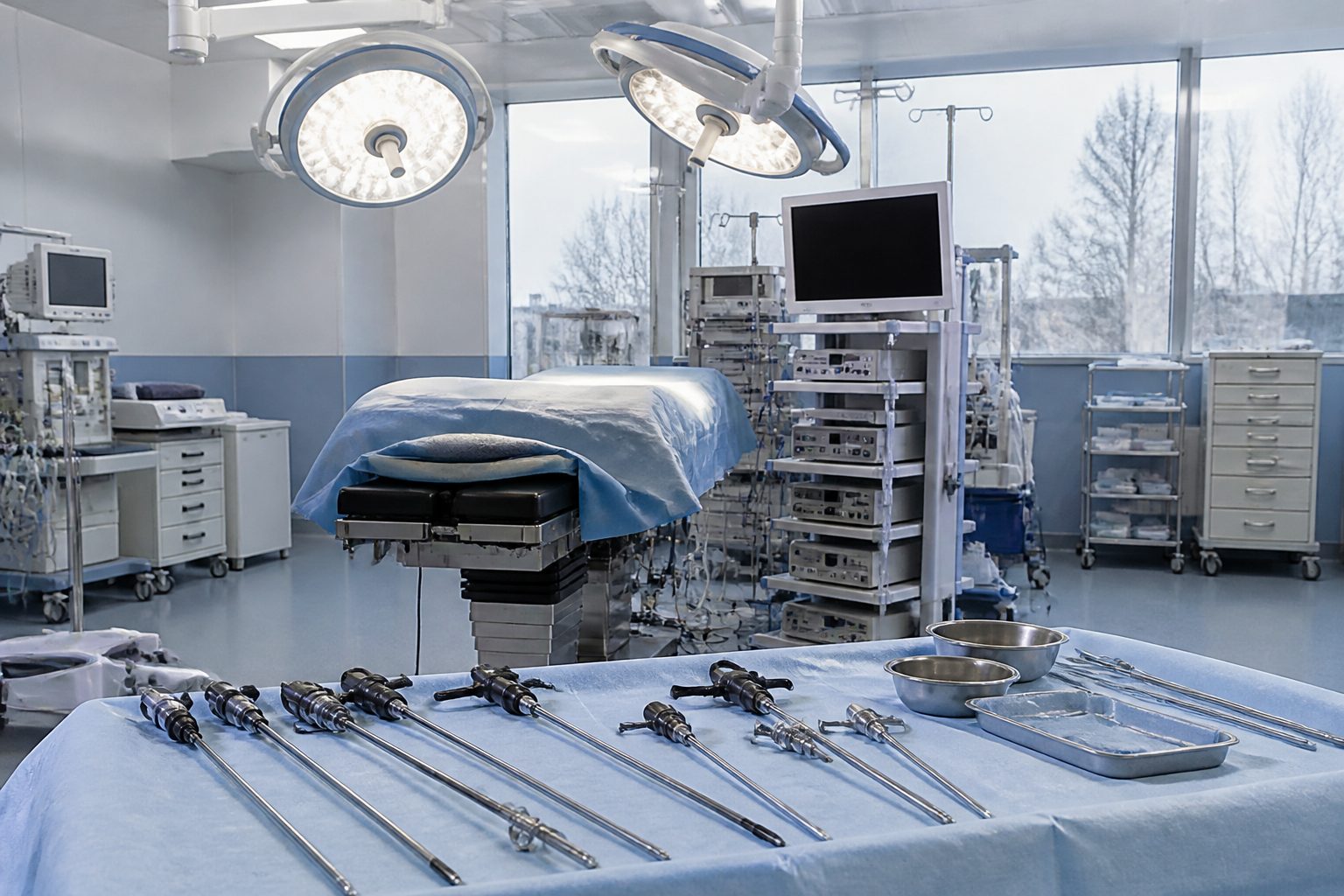
Laparoscopic gallstone surgery, also called laparoscopic cholecystectomy, is a common procedure for removing the gallbladder when stones cause pain or complications. Patients from the US, Canada, and Europe often look to Mexico or Spain for high-quality, lower-cost treatment.
In Mexico, laparoscopic gallstone surgery typically costs between $2,200 and $3,800. In Spain, the cost ranges from $3,600 to $6,500. This guide explains what these prices include, what extra costs to expect, and how to choose a reputable hospital.
What laparoscopic gallstone surgery involves
Laparoscopic gallstone surgery, also known as laparoscopic cholecystectomy, is a minimally invasive operation designed to remove the gallbladder, most often due to symptoms caused by gallstones. This procedure is considered the gold standard worldwide, including in Mexico and Spain, for treating gallstone-related conditions such as biliary colic, acute cholecystitis (gallbladder inflammation), and pancreatitis triggered by stones blocking the bile ducts.
The surgery is performed under general anesthesia. The surgeon makes 3–4 small incisions (typically 0.5–1 cm each) in the abdomen. Through these incisions, a camera (laparoscope) and specialized instruments are inserted, allowing the surgeon to view the operative field on a monitor and carefully detach and remove the gallbladder. The procedure usually takes about 1–2 hours, but complex cases (such as severe inflammation or previous abdominal surgery) may require more time or conversion to open surgery.
One of the main advantages of the laparoscopic approach is faster recovery and less postoperative pain compared to traditional open surgery, which requires a larger incision. Most patients in both Mexico and Spain can expect to stay in the hospital for just one night or even be discharged the same day, depending on their recovery and any pre-existing health conditions. Return to everyday activities is typically possible within a week, though patients are usually advised to avoid heavy lifting or strenuous exercise for several weeks to allow internal healing.
Both Mexico and Spain offer this procedure at modern, private hospitals equipped with advanced surgical technology and experienced multidisciplinary teams. Many facilities are internationally accredited and cater to medical tourists, providing high standards of care and multilingual support. If you have complex medical needs or a history of abdominal surgery, discuss these with your surgeon in advance, as they can impact the surgical approach, risks, and recovery timeline.
What is included in the advertised price
The advertised or quoted price for laparoscopic gallstone surgery in Mexico or Spain typically covers the core medical services required for a straightforward, uncomplicated procedure. However, the exact inclusions can vary by hospital, so it’s vital to review each offer in detail. Here’s what you can generally expect to be included in the base price at reputable private or internationally accredited hospitals:
- Pre-surgery assessment and basic blood tests: Most packages include a standard preoperative evaluation by the surgical team and routine laboratory tests (such as blood counts and liver function tests) to ensure you are fit for surgery.
- Surgical fees: The main cost components—surgeon, anesthesiologist, and nursing staff—are bundled into the quoted price. These professionals’ fees often represent the largest portion of the total cost.
- Use of the operating room, equipment, and supplies: The price covers the operating theater, specialized minimally invasive instruments, sterile supplies, and single-use items needed for the procedure.
- Standard medications and anesthesia: Medications administered during the operation, such as anesthesia and antibiotics, are included, along with pain management during your hospital stay.
- One night hospital stay (if needed): Most packages allow for a one-night stay in a standard hospital room for observation and recovery. In cases of rapid recovery, you may be discharged the same day, but the price remains the same.
- Postoperative care during your hospital stay: Monitoring, wound care, and initial follow-up by the surgical team are included until you are safely discharged.
However, it’s important to note that several items are often not part of the package, even at top-tier hospitals. These usually include:
- Advanced preoperative imaging (ultrasound, CT, MRI)
- Consultations with other specialists (e.g., cardiologists, if you have pre-existing conditions)
- Additional nights in hospital if your recovery is delayed or complications arise
- Medications prescribed for use after you leave the hospital
- Follow-up appointments after you return home, which may need to be arranged locally
Before making a commitment, always ask for a detailed cost breakdown in writing. Confirm precisely what is covered in the advertised price and what could trigger extra charges. Inquire about the hospital’s policy on complications, cancellations, and refunds. This due diligence helps you avoid unexpected expenses and ensures you receive the level of care you expect during your medical trip.
Cost comparison: Mexico vs Spain and other countries
The cost of laparoscopic gallstone surgery varies widely by country, hospital type, and patient needs. Here is a comparison of average prices in Mexico, Spain, and other popular destinations (all prices in USD):
| Country | Typical cost (USD) | Local currency | Inclusions |
|---|---|---|---|
| Mexico | $2,200–$3,800 | MXN 37,000–64,000 | Surgeon, anesthesia, 1 night, basic meds |
| Spain | $3,600–$6,500 | €3,300–€6,000 | Surgeon, anesthesia, 1 night, basic meds |
| India | $1,600–$2,800 | ₹1.3–2.3 lakh | Surgeon, anesthesia, 2 nights, basic meds |
| Thailand | $3,000–$5,000 | THB 110,000–185,000 | Surgeon, anesthesia, 2 nights, basic meds |
| United States | $10,000–$18,000 | USD | Surgeon, anesthesia, 1 night, basic meds |
| UK (private) | $7,000–$11,000 | £5,500–£8,700 | Surgeon, anesthesia, 1 night, basic meds |
| Turkey | $2,400–$3,900 | TRY 78,000–127,000 | Surgeon, anesthesia, 1 night, basic meds |
| UAE | $5,000–$8,000 | AED 18,300–29,400 | Surgeon, anesthesia, 1 night, basic meds |
Prices are indicative and depend on exchange rates, hospital reputation, and patient factors.
What drives the price
Several factors affect the cost of laparoscopic gallstone surgery in Mexico and Spain:
- Hospital type: Large private hospitals and those with international accreditation (such as JCI) tend to charge more than smaller local clinics.
- Surgeon’s experience and reputation: Senior surgeons or those with subspecialty training may charge higher fees.
- Location: Hospitals in major cities (Mexico City, Madrid, Barcelona) are generally more expensive than those in smaller cities.
- Patient factors: Obesity, previous abdominal surgery, or additional health problems can increase surgical complexity and cost.
- Included services: Some packages include airport transfers, preoperative imaging, or extra nights in hospital—others do not.
- Currency fluctuations: Exchange rates can impact final costs, especially for international patients paying in USD or EUR.
Always ask for a written quote that spells out what is and isn’t included before making travel arrangements.
How to choose a hospital in Mexico or Spain
Choosing the right hospital for laparoscopic gallstone surgery abroad involves more than comparing costs. Both Mexico and Spain have a wide range of private and public hospitals, but the quality of care, safety standards, and patient support services can vary significantly. Here are important factors and practical steps to guide your decision:
- Accreditation and certification: Look for hospitals accredited by international organizations such as the Joint Commission International (JCI) or Spain’s national accreditation system (UNE standards). Accreditation ensures the hospital meets rigorous safety, hygiene, and care quality benchmarks. In Mexico, top private hospitals in cities like Mexico City, Monterrey, and Guadalajara are often JCI-accredited.
- Surgeon and staff experience: Ask directly how many laparoscopic cholecystectomies the surgical team performs each year. High-volume centers and experienced surgeons are linked to lower complication rates and better outcomes. Inquire about the surgeon’s specific training and whether they participate in continuing education or international conferences.
- International patient services: Many leading hospitals offer dedicated coordinators who speak English (and other languages), assist with visas, provide airport transfers, and help with local accommodations. This is especially important if you’re unfamiliar with the country or language. In Spain, hospitals in major cities like Madrid and Barcelona cater extensively to international patients.
- Transparent pricing and financial policies: Reliable hospitals provide clear, written cost breakdowns, outlining exactly what is included in the package and what could incur extra charges. Ask about payment options, deposit requirements, cancellation policies, and how the hospital handles unexpected complications or changes in your treatment plan.
- Postoperative care and follow-up: Confirm what kind of care is provided after surgery—both during your hospital stay and after discharge. Ask how complications are managed, especially if they arise after you return home. Some hospitals offer telemedicine follow-ups or partner with clinics in your home country for continuity of care.
In addition to these steps, take time to read recent patient reviews on independent platforms and ask the hospital for references from previous international patients. This can provide valuable insight into the quality of care, communication, and overall patient experience. If possible, consult with a medical tourism agency familiar with both Mexico and Spain to help you compare options and navigate the process safely.
What is not included: extra and hidden costs
While hospitals in Mexico and Spain often promote attractive package prices for laparoscopic gallstone surgery, it’s crucial to recognize that these packages rarely cover every potential expense. Many patients are surprised by additional fees that can significantly increase the total cost of their treatment. Understanding these possible extra and hidden costs helps you budget more accurately and avoid financial surprises.
- Preoperative imaging: Essential diagnostic tests like ultrasounds, CT scans, or MRIs are often billed separately. In Mexico, an abdominal ultrasound may range from $80–$200, while advanced imaging like CT or MRI can cost up to $350. In Spain, prices are typically slightly higher, especially in private clinics.
- Specialist consultations: Initial and follow-up visits with surgeons or other specialists are frequently excluded from package deals. Each consultation can cost between $50–$200 in Mexico and up to €200 in Spain, depending on the provider and location.
- Additional nights in hospital: Packages usually cover only a standard one-night stay. If you require extra nights due to complications or slow recovery, expect to pay $150–$350 per night in Mexico and €250–€500 per night in Spain. Intensive care or special monitoring may incur even higher charges.
- Medications to take home: Prescriptions for pain relief, antibiotics, or digestive aids after discharge are commonly not included and can cost $30–$100, depending on the required drugs and local pharmacy prices.
- Travel, lodging, and meals: Expenses for flights, ground transport, hotels, and meals for both you and any companions are entirely separate from the medical bill. Costs vary widely by city, season, and travel preferences. In major cities like Mexico City or Madrid, hotels near hospitals may be more expensive.
- Unexpected complications: If the surgeon needs to convert to open surgery, treat infections, or manage other complications, additional fees for extra surgical time, supplies, and longer hospitalization may apply. These can quickly add hundreds or even thousands of dollars to your bill.
- Medical travel insurance: While optional, purchasing insurance is highly recommended to protect against unforeseen medical or travel issues. Policies vary, but expect to pay from $50–$300 based on coverage, age, and trip duration.
To avoid surprises, always request an itemized quote from your chosen hospital. Clarify which services are included and which might result in extra charges. Discuss your specific health status, as pre-existing conditions or complex cases may increase your risk of additional costs. Finally, factor in travel logistics and any special needs you or your companion may have when calculating your overall budget.
How to save money safely
While seeking affordable laparoscopic gallstone surgery in Mexico or Spain, it’s essential to balance cost savings with safety and quality of care. There are several practical strategies to reduce expenses without compromising your health. Here’s how you can save money wisely:
- Choose a hospital in a smaller city: Major cities like Mexico City, Monterrey, Madrid, or Barcelona typically have higher costs due to demand and overhead. By selecting a reputable private hospital in a smaller city (for example, Mérida in Mexico or Valencia in Spain), you can access the same high standards of care at a lower price. Just ensure the hospital is properly accredited and experienced in treating international patients.
- Book well in advance: Many hospitals offer early-bird discounts or special rates for surgeries scheduled during off-peak times (such as outside major holidays or tourist seasons). Booking ahead also gives you more time to compare options and secure the best deals on flights and accommodation.
- Ask about all-inclusive or bundled packages: Some hospitals and medical tourism agencies offer comprehensive packages that include not only the surgery but also airport transfers, hotel stays, translation services, and even some sightseeing. These packages can provide better value and reduce the hassle of arranging separate services.
- Travel with a companion: Bringing a family member or friend can help with your recovery and reduce anxiety. Some hospitals provide discounted or free accommodation for companions, or offer special rates for double occupancy in nearby hotels. This can lower your overall lodging and food costs.
- Join group medical travel: Certain agencies organize group trips for patients undergoing similar procedures. By traveling together, you may benefit from group rates on hotels, transportation, and even receive additional support from coordinators or guides. This is more common in Mexico but is gaining popularity in Spain as well.
However, never sacrifice safety for savings. Avoid clinics that do not disclose surgeon qualifications, lack proper accreditation, or refuse to provide clear written information about the procedure and costs. Always verify the hospital’s credentials and check for recent reviews from other international patients. Consider purchasing travel insurance that covers medical complications, and have a plan for postoperative care once you return home. Saving money is important, but your health and peace of mind should always come first.
Planning your trip for gallstone surgery
Traveling to Mexico or Spain for laparoscopic gallstone surgery requires careful planning:
- Medical records: Bring all relevant records, including recent ultrasound reports, blood tests, and a summary of your medical history (preferably in English or Spanish).
- Advance communication: Coordinate with the hospital’s international patient office to schedule your procedure and confirm all arrangements before you travel.
- Travel insurance: Consider a policy that covers medical complications, trip cancellation, and unexpected expenses.
- Recovery time: Plan to stay in the country for at least 5–7 days after surgery for follow-up and in case of minor complications.
- Companion: If possible, travel with someone who can help you during recovery.
- Flights and accommodation: Book flexible tickets and accommodation near the hospital, allowing for possible changes if your recovery takes longer than expected.
Check visa requirements for your nationality, as some patients may need a medical visa for Spain, while most can enter Mexico visa-free for short stays.
Frequently asked questions
How long do I need to stay in Mexico or Spain after gallstone surgery?
Most patients can fly home 5–7 days after laparoscopic cholecystectomy if recovery is smooth. This allows time for a follow-up check and monitoring for early complications. In rare cases, you may need to stay longer if problems arise.
Are the surgeons in Mexico and Spain trained to international standards?
Many private hospitals in Mexico and Spain employ surgeons who trained in North America or Europe. Look for board certification and ask about the surgeon’s experience with this procedure. Accreditation by JCI or national bodies is a good sign.
Can I have laparoscopic gallstone surgery if I have other medical conditions?
Patients with chronic illnesses (such as diabetes or heart disease) can usually have laparoscopic gallstone surgery, but may need more preoperative tests or a longer hospital stay. Discuss your full medical history with the hospital before booking.
What happens if there are complications after I return home?
Most hospitals provide a summary report and instructions for your doctor at home. If serious complications arise after you leave, you may need to see a local surgeon or visit the emergency department. Medical travel insurance can help cover unexpected costs.
Is laparoscopic gallstone surgery covered by insurance?
Most international insurers do not cover planned, elective surgery abroad. However, some local or international policies may reimburse part of the cost if the surgery is medically necessary. Always check with your insurer before booking.
Related guides
Disclaimer: Prices in this article are indicative and vary by hospital, surgeon, and patient factors. Always request a written quote and consult a qualified doctor before making any medical or travel decisions.