
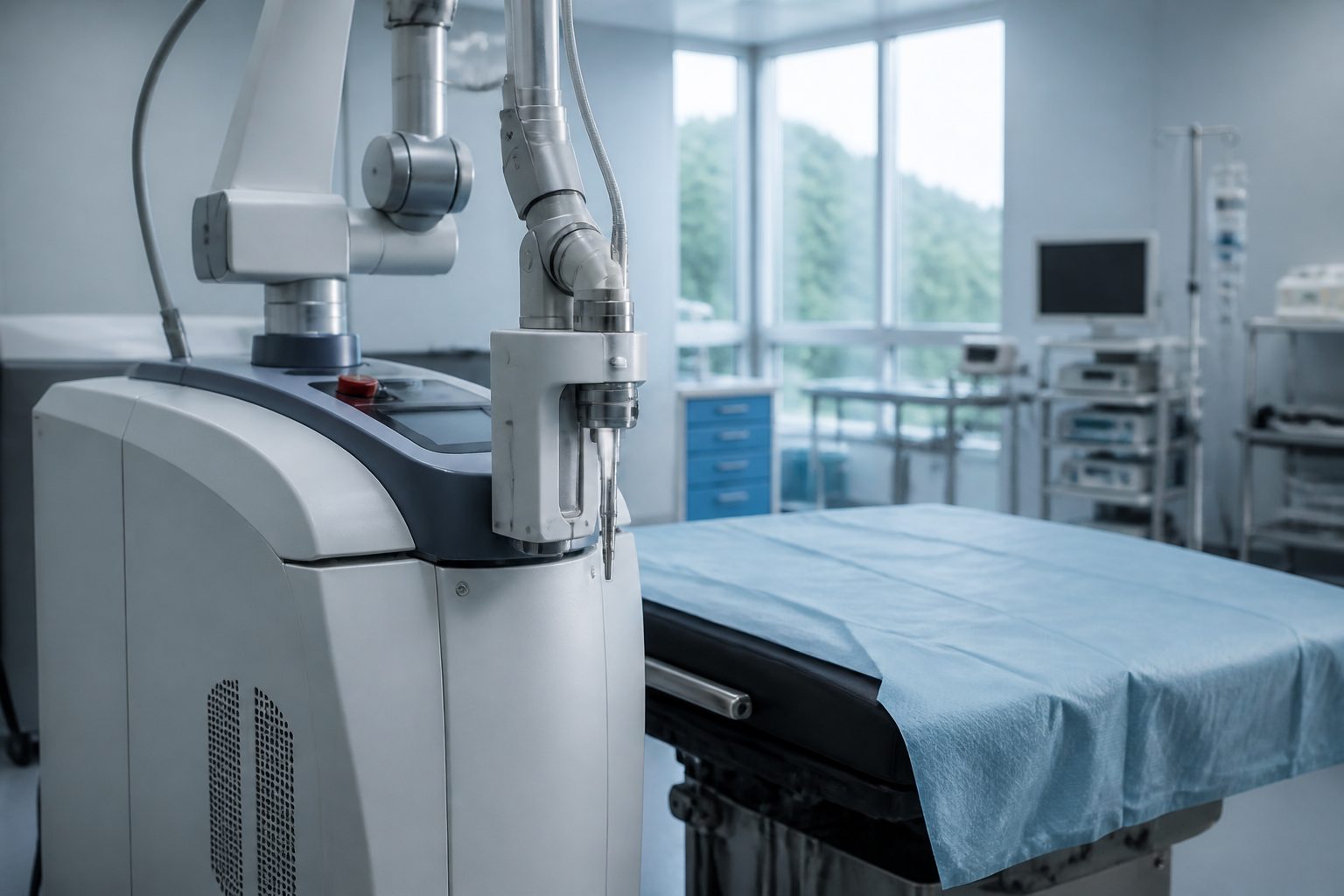
Prostate laser surgery is a minimally invasive treatment for benign prostatic hyperplasia (BPH), commonly known as an enlarged prostate. This procedure is suitable for men who experience urinary symptoms that do not improve with medication, or who prefer a less invasive approach than traditional surgery.
The cost of prostate laser surgery varies widely, from $2,800 to $12,000 depending on the country, hospital, and specific technique used. This guide explains what to expect from the procedure, potential risks, and how to understand the fees involved.
What is prostate laser surgery?
Prostate laser surgery is used to treat BPH by removing or vaporising excess prostate tissue that blocks urine flow. Several laser techniques are available, including Holmium Laser Enucleation of the Prostate (HoLEP), GreenLight laser vaporisation, and Thulium laser enucleation. These techniques use focused laser energy to cut or vaporise tissue, resulting in less bleeding and a shorter hospital stay compared to open or traditional transurethral resection of the prostate (TURP).
The choice of laser method depends on prostate size, patient health, surgeon experience, and available hospital technology. HoLEP is widely used for large prostates, while GreenLight is often chosen for smaller glands or patients on blood thinners. Laser surgery is not usually recommended for men with prostate cancer, severe urinary incontinence, or uncorrected bleeding disorders.
Who should consider prostate laser surgery?
Men with moderate to severe BPH symptoms—such as difficulty starting urination, weak stream, frequent urination (especially at night), or incomplete bladder emptying—may benefit from laser surgery if medications no longer work or cause side effects. It is also recommended if there are complications like recurrent urinary tract infections, bladder stones, or kidney problems due to BPH.
Prostate laser surgery is particularly suitable for older men, those at risk of bleeding, or patients with heart and lung conditions who may not tolerate major surgery. It is generally not suitable for those with untreated urinary infections or severe medical instability.
How is the procedure done?
The surgery is performed under spinal or general anesthesia. A thin tube (endoscope) with an attached laser fiber is inserted through the tip of the penis into the urethra. The surgeon uses the laser to remove or vaporise obstructing prostate tissue. The duration of the procedure ranges from 45 minutes to two hours, depending on gland size and technique.
Most patients require a urinary catheter for 12-24 hours after surgery, and hospital stays are usually between one and two days. Recovery time is typically faster than with traditional surgery. Many men return to normal activities within one to two weeks, although strenuous exercise and sexual activity should be avoided for a few weeks as advised by the doctor.
Risks and possible complications
While prostate laser surgery is considered safe, all procedures carry some risks. The most common side effects are temporary burning during urination, blood in the urine, and mild discomfort. Less common complications include urinary tract infection, difficulty urinating, or scarring of the urethra or bladder neck. Rarely, patients may experience persistent incontinence, erectile dysfunction, or the need for repeat treatment if symptoms recur.
The risk of significant bleeding is lower than with traditional TURP, making laser surgery suitable for men on blood thinners. Long-term risks are low, but as with any surgery, outcomes depend on the surgeon’s experience and the patient’s overall health.
Cost comparison: prostate laser surgery in major countries
Fees for prostate laser surgery differ depending on the country, hospital type, surgeon fees, and what is included in the package. The table below compares typical price ranges for the procedure in major medical destinations and what is usually covered.
| Country | Indicative cost (USD) | What’s included | What’s not included |
|---|---|---|---|
| India | $2,800–$4,200 (₹2.3–3.5 lakh) | Surgeon, anesthesia, 2 days in hospital, routine tests, catheter, basic meds | Pre-op consults, extra nights, complications, special implants |
| Thailand | $4,500–$7,000 (฿160,000–250,000) | Surgeon, anesthesia, 2-3 days in private room, routine meds, nursing care | Pre-op workup, extra nights, take-home drugs |
| Turkey | $3,500–$6,000 (₺110,000–190,000) | Surgery, anesthesia, 2 days in hospital, standard meds, nursing | Visa, travel, extra care for complications |
| UAE | $6,000–$9,000 (AED 22,000–33,000) | Surgery, anesthesia, 2-3 days in private hospital, routine meds | Pre-op tests, extra nights, post-op consults |
| USA | $8,000–$12,000 | Surgery, anesthesia, standard hospital stay, basic meds | Pre-op workup, take-home meds, extra nights, uninsured costs |
| UK | $7,000–$10,500 (£5,800–8,700) | Surgery, anesthesia, 1-2 nights in hospital, routine meds | Consults, pre-op tests, extended care |
| Singapore | $7,500–$11,000 (S$10,000–15,000) | Surgery, anesthesia, 2 days in hospital, standard meds | Pre-op workup, additional nights, take-home drugs |
| Philippines | $3,200–$5,500 (₱180,000–310,000) | Surgery, 2 days in hospital, anesthesia, routine meds | Pre-op consults, extra care, complications |
What is included and not included in the fees
Most hospital packages for prostate laser surgery cover the surgical team, anesthesia, use of the operating theatre, standard consumables, a short hospital stay (usually 1-3 nights), and basic medications during admission. Routine post-op monitoring and removal of the catheter are also included. Some packages add basic blood and urine tests.
However, the following are often not included: pre-operative consultations and workup (ECG, X-ray, detailed blood tests), extra nights in hospital if complications occur, take-home medications, special equipment (such as advanced catheters), and management of any unexpected complications. International patients should budget for additional costs such as travel, accommodation, and insurance. Always ask for a detailed written quote specifying inclusions and exclusions.
Hidden and extra costs to watch for
Patients may encounter extra charges beyond the advertised package price. These can include fees for extra diagnostic tests if new problems are found, specialist consultations (such as cardiology clearance), blood transfusions, or intensive care if required. Hospital stays longer than the package allowance, or additional procedures (for example, removal of bladder stones at the same time), are generally billed separately.
International patients should also consider the cost of visas, local accommodation, airport transfers, and travel insurance. Some hospitals offer bundled international patient packages that may include airport pickup and translation services. Always clarify what is included before confirming your booking, and have reserve funds for unforeseen costs.
How to save safely on prostate laser surgery
To control costs while ensuring safety, consider hospitals with transparent fee structures and experience in treating international patients. Comparing quotes from several accredited hospitals can reveal significant price differences. Inquire about available technologies: some older laser systems may offer lower fees, but outcomes depend more on surgeon skill than equipment brand.
Travelling to countries with lower average medical costs (such as India, Turkey, or the Philippines) can save 50–70% compared to the US or Western Europe. However, always check the hospital’s reputation, surgeon qualifications, and infection control standards. Avoid unlicensed clinics, and ensure that the hospital is equipped to handle emergencies. Never compromise on pre-operative evaluation or post-operative care to save money.
What drives the price of laser prostate surgery?
Major factors influencing the cost include the hospital’s location and reputation, surgeon and anesthetist fees, the type of laser technology used, and the length of hospital stay. Well-known hospitals in major cities or those with international accreditation (like JCI or NABH) usually charge more, but may offer higher safety standards and better facilities for international patients.
Large prostates, complex cases, or additional procedures (such as removal of bladder stones) increase the fee. Insurance coverage may reduce costs in some countries, but most international patients pay out of pocket. Always ask for an itemised quote and check if follow-up visits or management of complications are included.
How to choose a hospital and surgeon
Look for hospitals with a strong track record in urology and minimally invasive surgery. Hospitals accredited by JCI, NABH, or national health authorities are preferable. Surgeons should be fellowship-trained in endourology or laser surgery, with experience in the specific laser technique planned for your procedure.
International patient departments can assist with travel logistics, language support, and post-discharge care. Ask about infection rates, complication rates, and support for emergencies. Read independent patient reviews, but focus on medical outcomes and safety rather than hotel-like amenities. Request a video or teleconsultation with your surgeon before travelling if possible.
Planning your treatment trip
Begin by gathering your medical history, recent lab reports, and a referral letter from your local doctor. Send these to shortlisted hospitals for initial assessment and to receive a preliminary quote. Clarify visa requirements and check if the hospital provides invitation letters or assistance with paperwork.
Plan to arrive at least two days before surgery for pre-operative evaluation. Arrange for a companion if possible, as you may need help during recovery. Allow for a stay of 5–10 days in the country, accounting for surgery, initial recovery, and a follow-up check before flying home. Purchase travel insurance that covers medical complications. Keep your treating doctor at home informed about your procedure and plan for long-term follow-up after returning.
Bottom line: is prostate laser surgery worth the cost?
For men with bothersome BPH symptoms unresponsive to medication, prostate laser surgery offers a safe, effective, and generally low-risk option with a faster recovery than traditional surgery. Costs vary widely, but many countries offer high-quality care at affordable prices for international patients. Careful planning, choosing the right hospital and surgeon, and understanding what is (and is not) included in the quoted fee are essential to avoid unexpected expenses and achieve a good outcome.
Frequently asked questions
Is prostate laser surgery painful?
The procedure itself is performed under anesthesia, so you will not feel pain during surgery. Mild discomfort or burning during urination may occur for a few days after, but this is usually manageable with medication and resolves within a week or two.
How long does it take to recover from laser prostate surgery?
Most patients can return to normal activities within one to two weeks. Strenuous exercise and sexual activity should be avoided for up to four weeks or as advised by your doctor. Full recovery, including resolution of urinary symptoms, may take several weeks.
Will I need to stop blood thinners for the surgery?
One advantage of laser prostate surgery is the reduced risk of bleeding, so some patients can safely continue blood thinners. However, this depends on your individual health; always consult your surgeon and cardiologist for personalised advice before stopping any medication.
Can laser surgery for BPH affect sexual function?
Most men retain their ability to have erections after laser prostate surgery. However, some may experience retrograde ejaculation (semen flows backward into the bladder), which is not harmful but can affect fertility. Erectile dysfunction is rare with modern techniques.
How do I know if I am a good candidate for laser prostate surgery?
Your suitability depends on prostate size, overall health, and the severity of symptoms. A urologist will assess you with a physical exam, urine flow studies, and imaging before recommending surgery. It is not suitable for men with untreated infections or certain medical conditions.
Related guides
Disclaimer: Prices are indicative and vary by hospital, country, and individual patient needs. Always obtain a detailed written quote and consult a qualified doctor before deciding on surgery or travel for medical care.