
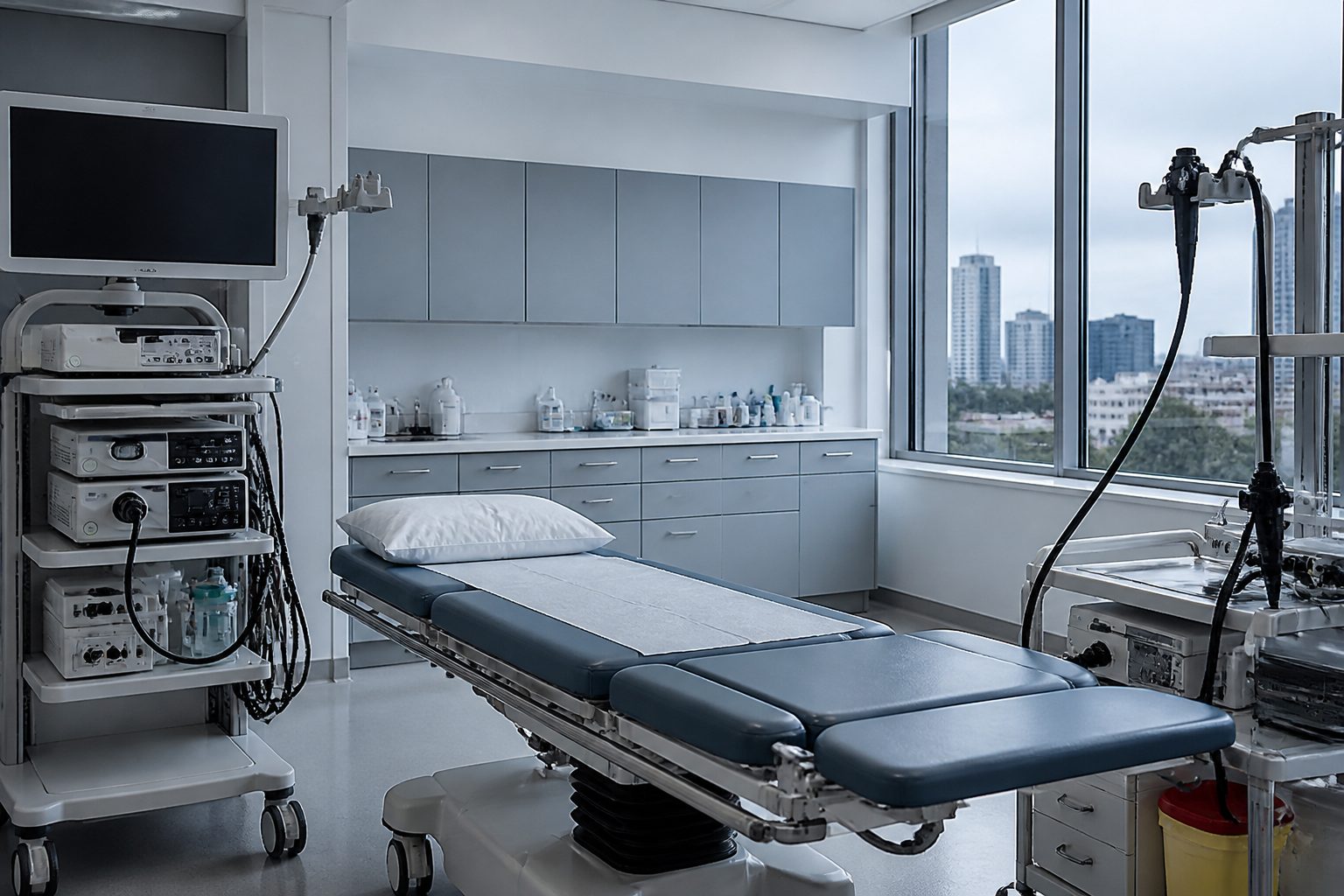
This guide is for patients comparing Singapore’s leading hospitals for endoscopy, kidney, liver, and urology care. Whether you need a colonoscopy, gallstone removal, kidney stone treatment, or management of liver and prostate conditions, Singapore offers internationally accredited hospitals with transparent pricing and advanced technology.
Costs for common procedures such as endoscopy, colonoscopy, gallstone or kidney stone removal, hernia repair, and prostate (BPH) treatments typically range from $1,200 to $10,000 or more, depending on the procedure and hospital. Singapore is known for high-quality care, but prices can be higher than in regional neighbors.
What to expect from Singapore’s digestive and urology hospitals
Singapore’s hospitals specializing in digestive and urology care have earned global recognition for their advanced technology, high safety standards, and patient-centered approach. Many leading facilities, such as Singapore General Hospital, Mount Elizabeth Hospital, and Gleneagles Hospital, are accredited by the Joint Commission International (JCI) and strictly regulated by the Singapore Ministry of Health, ensuring that international benchmarks for quality and safety are consistently met. This means you can expect evidence-based protocols and up-to-date medical practices for gastroenterology, hepatology, nephrology, and urology care.
International patients will find the process streamlined and comfortable. English is the primary language, and dedicated international patient centers help with visa documentation, airport transfers, and accommodation bookings. Hospitals offer fast-tracked admissions and discharge processes, with many providing dedicated case managers to coordinate your care from consultation through follow-up. Medical records are handled digitally and securely, making it easy to share information with your home doctors if needed.
Facilities are equipped with state-of-the-art endoscopy suites for procedures like colonoscopy, gastroscopy, and ERCP, along with advanced imaging technologies such as high-resolution ultrasound, MRI, and CT scans. Specialized centers within these hospitals manage complex digestive, kidney, and urinary tract disorders, offering multidisciplinary care. You can expect a thorough assessment, including consultations with subspecialists, comprehensive diagnostics, and access to minimally invasive or robotic-assisted surgeries when appropriate.
Private hospitals in Singapore offer a range of inpatient room options, from shared wards to private and luxury single suites, often featuring amenities like ensuite bathrooms, in-room entertainment, and personalized meal services. Waiting times for private care are typically minimal, especially compared to many Western countries. For most routine endoscopy and minor urology procedures, you may be admitted and discharged on the same day, with efficient communication and clear post-procedure instructions provided. Overall, Singapore’s digestive and urology hospitals combine clinical excellence with patient comfort and convenience, making them a top choice for local and international patients alike.
Cost comparison: Endoscopy, digestive and urology care in Singapore
The cost of procedures in Singapore is generally higher than in India, Thailand, or Malaysia, but lower than in the US, UK, or Australia. Endoscopy and related treatments are typically not covered by insurance for international patients unless you have a global policy or pre-approval. Packages often include doctor’s fees, facility charges, sedation, and basic tests, but may exclude pathology, extra scans, or extended stays.
| Procedure | Singapore | India | Thailand | Malaysia | USA | UK |
|---|---|---|---|---|---|---|
| Gastroscopy (upper endoscopy) | $1,200-$2,500 | $300-$700 | $500-$1,200 | $350-$900 | $2,500-$4,000 | $1,400-$2,800 |
| Colonoscopy | $1,500-$3,000 | $400-$900 | $600-$1,500 | $450-$1,000 | $2,800-$5,000 | $1,500-$3,000 |
| Gallstone (laparoscopic cholecystectomy) | $7,000-$12,000 | $2,000-$4,500 | $3,000-$6,000 | $2,500-$5,500 | $18,000-$30,000 | $9,000-$15,000 |
| Kidney stone removal (PCNL) | $6,500-$10,000 | $1,500-$3,500 | $2,000-$4,500 | $1,800-$3,800 | $14,000-$25,000 | $7,000-$12,000 |
| Prostate (BPH) surgery (TURP/laser) | $8,000-$13,000 | $2,200-$5,000 | $3,000-$6,500 | $2,000-$4,800 | $10,000-$20,000 | $7,000-$11,000 |
| Hernia repair (laparoscopic) | $5,000-$8,500 | $1,200-$3,000 | $2,500-$5,000 | $1,800-$4,000 | $7,000-$13,000 | $4,000-$7,000 |
| Liver disease (non-cancer, per procedure) | $2,500-$6,000 | $800-$2,000 | $1,200-$3,000 | $1,000-$2,500 | $5,000-$15,000 | $3,000-$7,000 |
What is included and what is not
When considering endoscopy or minor urology and digestive procedures in Singapore, most hospitals offer packaged pricing to simplify billing and reduce surprises. These packages typically cover the core essentials needed for a safe and successful procedure. Inclusions almost always feature:
- Initial pre-procedure consultation with your specialist to assess your condition and explain the process
- Use of the operating or endoscopy suite, including all standard equipment and nursing support
- Professional fees for the primary doctor and anaesthetist
- Sedation or general anesthesia, depending on the procedure
- Routine laboratory tests, such as blood work and basic preoperative screening
- Charges for the day ward or recovery room immediately after your procedure
However, it’s crucial to understand what is not included in these base packages. The following items are typically billed separately and can significantly impact your final bill, especially if complications or additional needs arise:
- Pathology charges for biopsy analysis, which can be necessary if tissue samples are taken during endoscopy
- Advanced imaging (CT, MRI, or contrast studies) beyond the standard pre-procedure assessments
- Additional specialist consultations, such as with a dietitian, oncologist, or other subspecialists
- Medications to take home after discharge, including painkillers, antibiotics, or special supplements
- Extra nights in hospital if you require extended observation or develop complications
- Follow-up visits, telemedicine consultations, or further diagnostic tests post-procedure
To avoid misunderstandings, always request a detailed, itemized written quote before confirming your booking. Ask the hospital or your international patient coordinator to clarify all inclusions and exclusions, and inquire about the costs of any likely add-ons. Some private hospitals in Singapore have direct billing arrangements with select international insurers, which can simplify payment, but this is not universal. If you have insurance, confirm coverage and pre-authorization requirements in advance. Being proactive about what is included will help you budget accurately and avoid unexpected expenses.
Best hospitals in Singapore for gastroenterology, hepatology, nephrology and urology
Singapore’s top hospitals for digestive and kidney care are known for their multidisciplinary teams, JCI accreditation, and dedicated international patient services. The following centers consistently receive strong feedback for endoscopy, gallstone and kidney stone management, hernia, and prostate care. Transplant and cancer-focused centers are not included in this guide.
- Mount Elizabeth Hospital (Orchard and Novena): Renowned for advanced endoscopy, gallstone, hernia, and kidney stone management. Large team of gastroenterologists, urologists, and hepatologists. English-speaking coordinators, fast-track admissions, and a range of room options. Costs are at the higher end, but many international patients choose Mount Elizabeth for its depth of specialists and location.
- Gleneagles Hospital: Well-established for digestive and liver care, complex stone and hernia procedures, and minimally invasive urology. Known for its patient-friendly approach, personalized care, and experienced consultants. International patient center assists with logistics and appointments. Prices are competitive within Singapore’s private sector.
- Parkway East Hospital: Popular for routine endoscopy, colonoscopy, and day surgery. Suitable for straightforward cases and patients seeking a quieter, less central location. International patient services are available. Costs tend to be lower than at Mount Elizabeth or Gleneagles.
- Farrer Park Hospital: Modern facility with a focus on minimally invasive digestive and urology procedures. Attracts international patients for endoscopy, BPH, and stone treatments. Patient rooms are new and comfortable. Offers transparent, bundled pricing for many procedures.
- Singapore General Hospital (SGH, private wing): The largest public hospital, with a private wing (SGH Campus Clinics) for international and self-paying patients. Comprehensive expertise in gastroenterology, hepatology, nephrology, and urology. Costs are generally lower than private hospitals, but appointments may require advance booking.
- Tan Tock Seng Hospital (TTSH, private services): Major public teaching hospital with a strong reputation in digestive and kidney care. The private suite (TTSH Private) caters to overseas patients and offers competitive rates. Specialists are also involved in research and teaching, ensuring up-to-date protocols.
- Thomson Medical Centre: Known for personalized care in endoscopy, hernia, and minor urology procedures. Welcoming for families and those seeking a boutique experience. International patient desk can coordinate logistics and billing.
How to choose the right hospital and specialist
When selecting a hospital in Singapore for digestive or urology treatment, consider the following:
- Specialist expertise: Look for hospitals with a dedicated team in your specific area (gastroenterology, hepatology, nephrology, urology). Check if your condition requires multiple specialists (e.g., for gallstones and liver disease).
- Accreditation: Choose hospitals with JCI or Ministry of Health Singapore accreditation for quality assurance.
- International patient support: Ensure the hospital has a dedicated desk or coordinator who can help with appointments, language, and travel paperwork.
- Cost transparency: Request a detailed estimate with all inclusions and exclusions. Ask about potential add-on costs.
- Location and facilities: Consider proximity to the airport, hotel options, and the hospital’s range of room types and amenities.
For complex or chronic conditions, look for hospitals with multidisciplinary teams and good access to diagnostics. For routine procedures, a smaller or less central hospital may be more cost-effective.
What drives the price of digestive and urology care in Singapore
The total cost of digestive and urology care in Singapore is shaped by several key factors, each of which can vary widely depending on your specific needs and choices. Understanding these elements will help you anticipate expenses and make informed decisions:
- Procedure complexity: Simple procedures, such as diagnostic gastroscopy or cystoscopy, are less expensive than advanced interventions like endoscopic retrograde cholangiopancreatography (ERCP), laser prostate surgery, or laparoscopic kidney stone removal. The use of minimally invasive or robotic techniques, which reduce recovery time but require specialized equipment and expertise, also raises costs.
- Doctor’s seniority and reputation: In Singapore, senior consultants or renowned specialists typically command higher fees for consultations and procedures. Choosing a more experienced doctor may provide peace of mind, but it will increase your bill compared to seeing a junior or associate consultant.
- Choice of hospital and location: Hospitals in central locations or those with luxury amenities, such as Mount Elizabeth Orchard or Gleneagles, tend to charge premium rates. Suburban hospitals or those with fewer amenities may offer similar clinical standards at a lower price point.
- Type of admission: Day surgery is generally more affordable than inpatient stays. If your procedure can be performed as a day case, you’ll save on room and board. However, if complications arise or you need extra monitoring, costs can escalate quickly due to additional nights in a private or luxury suite.
- Additional tests and medications: While basic pre-procedure investigations are often included in packages, any extra imaging (such as MRI or contrast CT), specialized blood tests, or take-home medications are billed separately. If a biopsy is needed, pathology charges can be significant.
Other cost drivers include the need for emergency care, the use of imported or specialized medical devices, and whether you require interpreter or concierge services. Some hospitals offer bundled packages for common procedures, but always ask for details on what happens if your case is more complicated than expected. Be sure to clarify policies on refunds, extra charges for extended stays, and coverage for complications before committing to a hospital or doctor. This proactive approach can prevent unexpected financial surprises and help you manage your healthcare budget in Singapore.
How to save money safely on digestive and urology care
Although Singapore is known for its high-quality but relatively expensive medical care compared to other Asian destinations, there are practical ways to control costs without compromising your safety or outcomes. Here are some actionable steps to help you save:
- Compare hospitals and doctors: Prices for the same procedure can vary by thousands of dollars between institutions and even between doctors of different seniority. Request itemized quotes from at least two or three hospitals, and ask about the credentials of the doctors performing your procedure.
- Consider public hospitals’ private wings: Singapore’s public hospitals, such as Singapore General Hospital and Tan Tock Seng Hospital, offer private care at lower rates than top private hospitals. While you may face slightly longer wait times for appointments, the quality of care and technology are comparable.
- Opt for day surgery when possible: Many digestive and urology procedures, including endoscopy, stone removal, or minor prostate interventions, can be performed on a day surgery basis. This avoids costly overnight stays and reduces your overall bill.
- Choose standard room accommodations: Luxury suites can significantly increase your expenses. Standard private or semi-private rooms still offer comfort, privacy, and high-quality nursing care at a fraction of the cost.
- Avoid unnecessary extras: Only agree to additional imaging, specialist consultations, or tests if they are medically indicated. Ask your doctor to explain the necessity of each recommendation and whether it could be safely postponed or omitted.
- Leverage insurance: If you have international health insurance, check whether the hospital has direct billing arrangements with your insurer. If not, collect all itemized receipts and medical reports for reimbursement. Clarify which procedures and medications are covered before starting treatment.
Additional tips include scheduling your procedures during off-peak periods, such as outside major holidays or school breaks, to access better rates and shorter waiting times. Booking consultations and procedures well in advance can also lock in lower prices and ensure availability with your preferred specialist. By being proactive, asking detailed questions, and making informed choices, you can access Singapore’s world-class digestive and urology care at a more manageable cost.
What to expect during your hospital stay
When staying at a Singapore hospital for digestive or urology care, you can anticipate a seamless, well-organized, and patient-focused experience. Singaporean healthcare facilities are renowned for their efficiency, exceptional cleanliness, and strong emphasis on patient privacy and dignity. English is the primary language used for all medical communication, which eases the process for international patients and ensures clear understanding of your care plan.
Before your procedure, you will typically meet with your specialist for a thorough consultation. This is followed by any required pre-procedure tests, such as blood work, ECGs, or imaging (ultrasound, CT, or MRI), all of which are usually completed within the hospital itself. For many endoscopy and minor urology procedures, admissions are scheduled efficiently, often allowing for same-day or next-day scheduling, especially in private hospitals. Most patients undergoing endoscopy or minimally invasive urology treatments are admitted as day cases or for a single overnight stay, minimizing disruption to your travel plans.
Inpatient rooms vary from clean, shared wards to private and luxury suites, with options to suit different budgets. Private rooms often feature hotel-like amenities such as ensuite bathrooms, WiFi, entertainment systems, and room service. Meals are prepared to accommodate special dietary requirements, and international patients can request interpreters or culturally appropriate food options. Family members are welcome in many facilities, and hospitals can assist with local hotel recommendations and airport transfers if needed.
Throughout your stay, nursing staff provide attentive round-the-clock care, and your treating doctor will review your progress regularly. Discharge planning is comprehensive: you’ll receive written instructions for medication, wound care, and follow-up appointments. Hospitals also offer telemedicine or email consultations for post-discharge questions. For patients traveling from overseas, international patient centers can help with insurance paperwork, medical reports, and arranging follow-up care at home. The entire process is designed to be transparent, supportive, and as stress-free as possible, reflecting Singapore’s reputation for healthcare excellence.
Frequently asked questions
How long should I plan to stay in Singapore for an endoscopy or stone procedure?
Most endoscopy and minor stone procedures require 2-4 days in Singapore: one day for consultation and tests, one for the procedure, and one or two for recovery and follow-up. More complex surgeries may require a week or more. Always confirm with your hospital in advance.
Are Singapore hospitals safe for international patients?
Yes, Singapore’s major hospitals are internationally accredited and maintain high standards of infection control and patient safety. International patient coordinators can help with language, logistics, and medical records to ensure a smooth experience.
What documents do I need to bring for treatment?
You should bring your passport, visa (if required), previous medical records, test results, and any imaging (CD or reports). If you have insurance, bring your card and pre-authorization documents. Hospitals may request additional information before your visit.
Can I get a fixed-price package for my procedure?
Many hospitals offer fixed-price packages for standard procedures like endoscopy or hernia repair. However, packages may exclude extras such as biopsy analysis or additional scans. Always ask for a detailed breakdown and clarify what happens if complications arise.
Will I need to return to Singapore for follow-up?
Routine follow-up can often be done by telemedicine or with your local doctor. If you have stitches, drains, or complex aftercare needs, discuss with your specialist whether a return visit is necessary. Hospitals provide detailed discharge summaries for your home doctor.
Related guides
Disclaimer: Prices above are indicative and can vary by hospital, doctor, and patient case. Always request a written quote and consult a qualified doctor before making medical decisions or travel plans.