
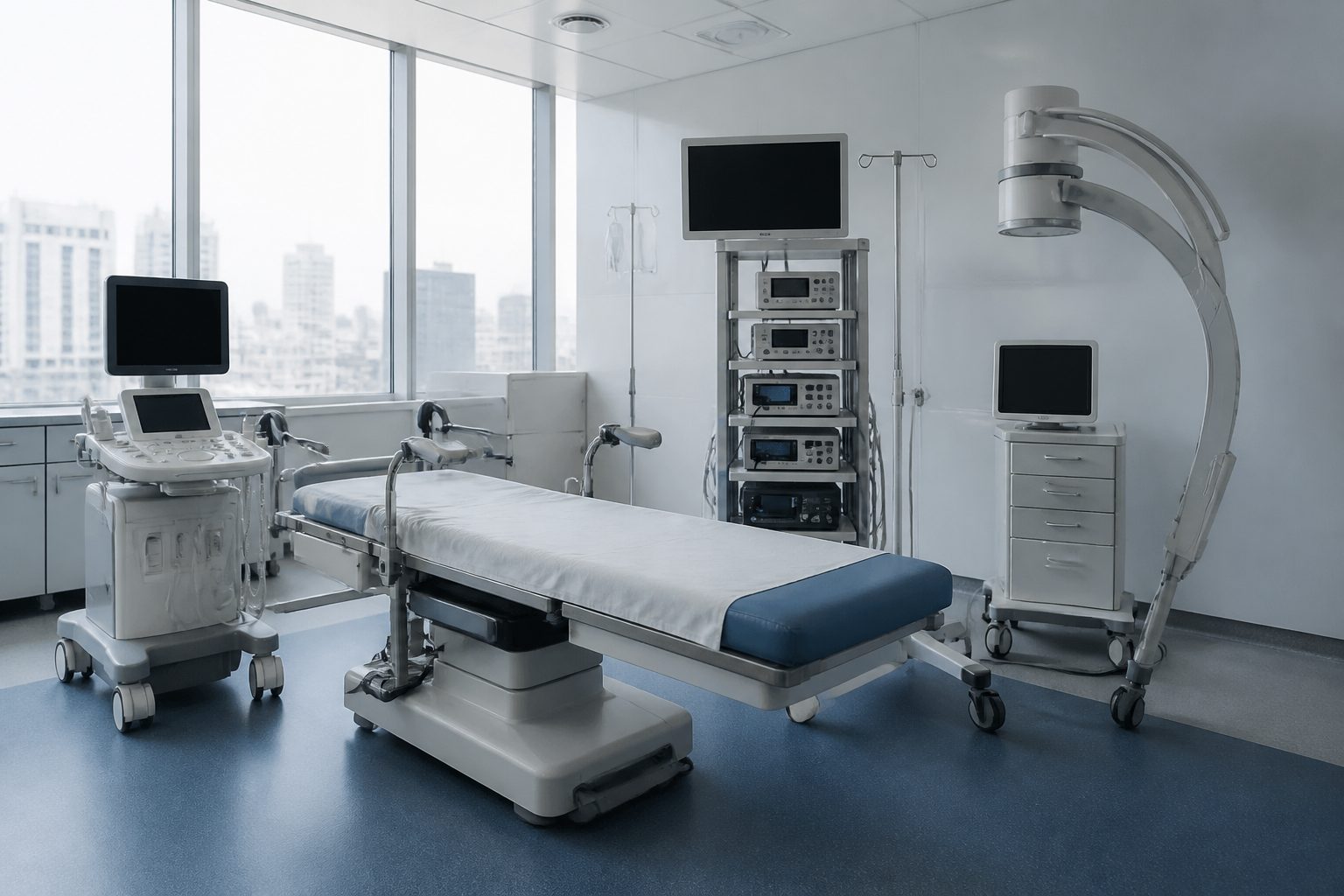
Patients from around the world travel to Thailand for kidney stone treatment, attracted by lower prices, modern hospitals, and experienced urologists. For most, the total cost ranges from $1,400 to $4,000, depending on the treatment method and hospital tier.
This guide explains how to prepare financially for kidney stone care in Thailand. It covers what is included in the price, what’s extra, how to compare hospitals, and practical tips to avoid unexpected expenses.
Understanding kidney stone treatment options
The cost of kidney stone treatment in Thailand depends on the procedure required. The main options are:
- Extracorporeal shock wave lithotripsy (ESWL): A non-invasive method using sound waves to break up stones. Usually a day procedure.
- Ureteroscopy (URS): A thin scope is inserted via the urethra to remove or break up stones. May require a short hospital stay.
- Percutaneous nephrolithotomy (PCNL): For larger stones; involves a small incision in the back to remove stones directly. Requires hospital admission.
Costs increase with the complexity of the procedure. ESWL is the least expensive, while PCNL is the most costly. Your urologist will recommend the best option based on stone size, location, and your health.
Typical costs at major Thai hospitals
Major private hospitals in Thailand’s medical tourism hubs—Bangkok, Phuket, and Chiang Mai—are well-equipped to treat kidney stones and typically offer package pricing for international patients. These packages often include all essential components of the treatment, but the exact inclusions and pricing structures can vary between hospitals and regions. On average, you can expect the following cost elements to make up your total bill:
- Pre-operative tests: Bloodwork, urine analysis, and advanced imaging (such as ultrasound or CT scan) are standard for diagnosis and surgical planning. These may be bundled or billed separately.
- Surgeon and anesthesia fees: The complexity of your case and the seniority of the surgical team can influence these fees. Anesthesia is usually included for procedures requiring sedation or general anesthesia.
- Operating room and equipment: Charges cover use of the operating theater, specialized equipment (such as lasers or lithotripters), and disposables.
- Hospital room: If an overnight stay is required, the cost depends on the type of room (standard, private, or suite) and the hospital’s location. Hospitals in central Bangkok tend to be more expensive than those in regional cities.
- Routine medications and nursing care: This includes pain management, antibiotics, and general post-operative care.
Some hospitals offer all-inclusive packages that cover every aspect from admission to discharge, which can simplify budgeting and reduce the risk of hidden fees. Others may bill each component separately, so it’s essential to request a comprehensive, itemized quote before committing. Always ask for clarification on what is included in the package, and inquire about any potential extra costs, such as additional nights, special medications, or unplanned interventions. This proactive approach will help you avoid surprises and ensure a smooth treatment experience in Thailand.
Cost comparison: Thailand and other countries
Thailand is known for affordable, high-quality urology care. Below is a comparison of typical kidney stone treatment costs in Thailand and selected countries. Prices are for uncomplicated cases and include standard hospital charges but not travel or optional extras.
| Country | ESWL | URS | PCNL | Notes |
|---|---|---|---|---|
| Thailand | $1,400–$2,000 (฿51,000–72,000) | $2,200–$3,000 (฿80,000–108,000) | $3,300–$4,000 (฿120,000–144,000) | Private, JCI-accredited hospitals |
| India | $900–$1,500 (₹75,000–1.25 lakh) | $1,200–$2,000 (₹1–1.6 lakh) | $2,200–$3,500 (₹1.8–2.9 lakh) | Top private hospitals |
| Singapore | $2,500–$4,000 (SGD 3,300–5,300) | $3,500–$5,500 (SGD 4,600–7,200) | $5,500–$8,000 (SGD 7,200–10,500) | Private hospitals |
| Malaysia | $1,200–$1,800 (RM 5,600–8,400) | $1,800–$2,500 (RM 8,400–11,700) | $2,800–$3,800 (RM 13,000–18,000) | Private hospitals |
| USA | $7,000–$15,000 | $9,000–$20,000 | $15,000–$30,000 | Without insurance |
| UK | $3,500–$7,000 (£2,700–5,400) | $5,000–$9,000 (£3,900–7,000) | $8,500–$14,000 (£6,600–10,900) | Private hospitals |
| Australia | $4,000–$7,000 (AUD 6,200–10,800) | $6,000–$10,000 (AUD 9,300–15,500) | $10,000–$17,000 (AUD 15,500–26,300) | Private, uninsured |
What is (and isn’t) included in the price
Most hospitals in Thailand offer bundled packages for kidney stone procedures. These packages generally cover:
- Consultation with a urologist
- Pre-operative blood and urine tests
- Imaging (ultrasound, X-ray, or CT scan)
- Surgical or non-surgical procedure
- Operating room and anesthesia
- Hospital stay (if needed), nursing care, and meals
- Basic medications, dressings, and routine follow-up
However, some costs are typically not included:
- Initial consultation fee (if not part of the package)
- Additional imaging or tests for complex cases
- Medications for unrelated conditions
- Extra nights in hospital due to complications
- Discharge medications to take home
- Follow-up visits after you leave Thailand
- Travel, accommodation, and meals for accompanying persons
Always ask for a written breakdown before committing. Clarify which items are part of the quoted price and what could add extra charges.
Hidden costs and how to avoid them
While Thai hospitals are transparent compared to some countries, there are a few areas where patients may face additional costs:
- Repeat procedures: Some stones require more than one ESWL session. Ask if repeat sessions are discounted or included.
- Unexpected findings: If other urinary tract issues are discovered during treatment, extra procedures may be necessary.
- Complications: Rarely, infections or bleeding require extra care and longer stays.
- Visa extensions: If your recovery is slower than planned, you may need to extend your stay in Thailand.
To minimise surprises, communicate your medical history in advance, ensure your insurance (if any) covers complications, and set aside a contingency fund of at least 20% above the quoted price.
How to compare hospitals and get reliable quotes
Choosing the right hospital for kidney stone treatment in Thailand is a crucial step in ensuring both quality of care and transparency in billing. Leading private hospitals in Bangkok, Phuket, and Chiang Mai are accustomed to treating international patients and often have dedicated international patient centers to assist with everything from airport transfers to translation services. When comparing hospitals, consider these practical steps:
- Check for accreditation: Look for Joint Commission International (JCI) or Thai Hospital Accreditation (HA) certification. These ensure the hospital meets international standards for safety, hygiene, and patient care.
- Assess urology team experience: Ask about the number of kidney stone procedures performed annually and the specific experience of the urologists and surgical staff. A higher case volume often correlates with better outcomes.
- Request a detailed quote: Insist on a written, itemized quotation in English that clearly lists all standard fees—surgeon, anesthesia, operating room, hospital stay, medications, and post-operative care. Clarify what is included and what could incur extra charges.
- Evaluate patient support services: Hospitals with international patient centers can help you navigate logistics, language barriers, and cultural differences, making the experience smoother.
- Research patient feedback: Read recent reviews on independent platforms to gauge the hospital’s reputation for clinical care, patient service, and billing transparency. Look for consistent positive feedback and how the hospital responds to concerns.
Many hospitals now offer online video consultations for initial assessment and cost estimation. Use these services to discuss your medical history, clarify your diagnosis, and get a preliminary treatment plan and quote before you travel. By taking these steps, you can compare options confidently and choose a hospital that fits your medical needs and budget, ensuring a safe and transparent treatment journey in Thailand.
Saving safely: tips to reduce your total bill
While kidney stone treatment in Thailand is already much more affordable than in many Western countries, there are several practical strategies you can use to reduce your overall costs without sacrificing safety or quality. Here are key tips tailored to the Thai healthcare context:
- Choose your hospital location wisely: Hospitals outside of central Bangkok, such as those in Chiang Mai or regional cities, often offer the same high standards at lower prices due to reduced overheads and less demand from international tourists.
- Select standard accommodations: Opt for a standard or shared hospital room instead of a private suite. The difference in room charges can be substantial, especially in top-tier hospitals.
- Consider day-case procedures: For less complex cases, treatments like ESWL (extracorporeal shock wave lithotripsy) or URS (ureteroscopy) can often be done without an overnight stay, significantly reducing your hospital bill.
- Plan your travel off-peak: Hospital and accommodation prices can rise during Thailand’s peak tourist seasons (November to February and major holidays). Scheduling your treatment during quieter months can yield savings on both medical and travel costs.
- Bring recent medical records: Arriving with up-to-date imaging (CT, X-ray, ultrasound) and lab results from your home country can help you avoid unnecessary or duplicate testing, which is often charged separately.
However, it’s crucial not to compromise on safety for the sake of savings. Avoid unaccredited clinics or offers that seem too good to be true—these may cut corners on hygiene, staff qualifications, or aftercare, increasing your risk of complications. Always verify a hospital’s credentials (look for JCI or Thai HA accreditation) and check their reputation through independent reviews. By making informed choices, you can keep costs manageable while ensuring you receive safe, effective kidney stone treatment in Thailand.
Managing payments and insurance
Understanding how to handle payments and insurance is essential for a smooth treatment experience in Thailand. Most private hospitals in Thailand require international patients to settle their bills in full either before admission or at the time of admission. This policy helps hospitals manage risk and ensures that care is not delayed due to financial issues. The most widely accepted payment methods include:
- Major credit cards: Visa, MasterCard, and American Express are accepted at nearly all major hospitals. Be aware of potential foreign transaction fees and daily spending limits set by your card issuer.
- Bank transfer: Many hospitals allow pre-payment via international bank transfer. If you choose this route, arrange the transfer well in advance and confirm receipt before your arrival.
- Cash (Thai baht): Large cash payments are possible but subject to legal limits and hospital policies. Carrying significant amounts of cash is not recommended for safety reasons.
If you have international health insurance, it’s vital to check your policy’s coverage for elective procedures performed abroad. Some insurers have direct billing arrangements with leading Thai hospitals, but many require pre-authorization and may only reimburse you after you return home. Always contact your insurer before you travel to confirm the process, required documentation, and any exclusions or limits.
To facilitate insurance claims, keep all hospital receipts, itemized bills, and detailed medical reports. These documents are essential for reimbursement and for your personal medical records. If you’re paying out of pocket, consider using a credit card that offers travel or medical insurance benefits. By planning ahead and clarifying payment and insurance details, you can minimize financial stress and focus on your recovery in Thailand.
Planning your trip: timeline and practicalities
Allow at least 2–3 weeks for the entire process:
- Pre-arrival: Share your medical records with the hospital, confirm your diagnosis, and get a formal quote.
- Arrival and workup: Allow 1–2 days for consultations and pre-op testing.
- Treatment: ESWL is usually a day procedure; URS and PCNL may require 1–3 nights in hospital.
- Recovery: Plan to stay in Thailand for at least 5–10 days after your procedure for follow-up and to manage any immediate complications.
- Return home: Ensure you have all post-op instructions, medications, and a summary for your local doctor.
Arrange flights with flexible dates in case your recovery takes longer than expected. Book accommodation close to your chosen hospital.
The bottom line
Thailand has established itself as a leading destination for affordable, high-quality kidney stone treatment, attracting patients from around the world. The total cost for international patients generally ranges from $1,400 to $4,000, which is significantly less than equivalent procedures in the US, Australia, or much of Europe. The final amount you pay will depend on several concrete factors: the specific procedure (such as extracorporeal shock wave lithotripsy, ureteroscopy, or percutaneous nephrolithotomy), the size and location of the stone, the hospital’s location and reputation, and the length of your hospital stay. Additional costs may arise if you need extra imaging, post-operative medications, or follow-up consultations.
To ensure you are financially prepared and avoid unexpected expenses, always request a detailed, written quote from your chosen hospital. Clarify exactly what is included—such as pre-operative tests, surgeon’s fees, anesthesia, hospital room, and aftercare—and ask about potential extras like additional nights in the hospital, special medications, or emergency interventions. Some hospitals offer all-inclusive packages, while others itemize each service separately, so understanding the billing structure is critical.
When choosing a facility, prioritize accredited hospitals with strong international reputations, such as those holding Joint Commission International (JCI) or Thai Hospital Accreditation (HA) certifications. Look for experienced urology teams and comprehensive patient support services, including language assistance and help with travel logistics. By taking these practical steps, you can access safe, effective treatment in Thailand and manage your medical expenses with confidence.
Frequently asked questions
How long do I need to stay in Thailand for kidney stone treatment?
Plan for at least 7–10 days in Thailand. This allows time for initial consultation, pre-op testing, the procedure itself, and post-op follow-up. More complex cases or complications may require a longer stay.
Can I use my international health insurance?
Some international health insurance plans cover kidney stone treatment abroad, but you must check in advance. Most Thai hospitals require payment upfront, and you may need to claim reimbursement after returning home.
Is it safe to have kidney stone treatment in Thailand?
Yes, if you choose a reputable, accredited hospital. Thailand’s top private hospitals have experienced urologists, modern equipment, and high hygiene standards. Always check credentials and reviews before booking.
Are there risks of hidden charges?
Most hospitals are transparent, but costs can rise if you need extra tests, repeat procedures, or have complications. Always ask for a detailed written quote and clarify what is included. Set aside a contingency fund just in case.
What documents should I bring for treatment?
Bring your passport, visa, recent medical records (including imaging and lab results), a list of medications, and any insurance documents. Having these ready helps avoid delays and repeat testing.
Related guides
Disclaimer: Prices given are indicative and vary by case complexity, hospital, and exchange rates. Always request a written quote from your chosen hospital and consult a qualified doctor before making decisions about medical care abroad.