
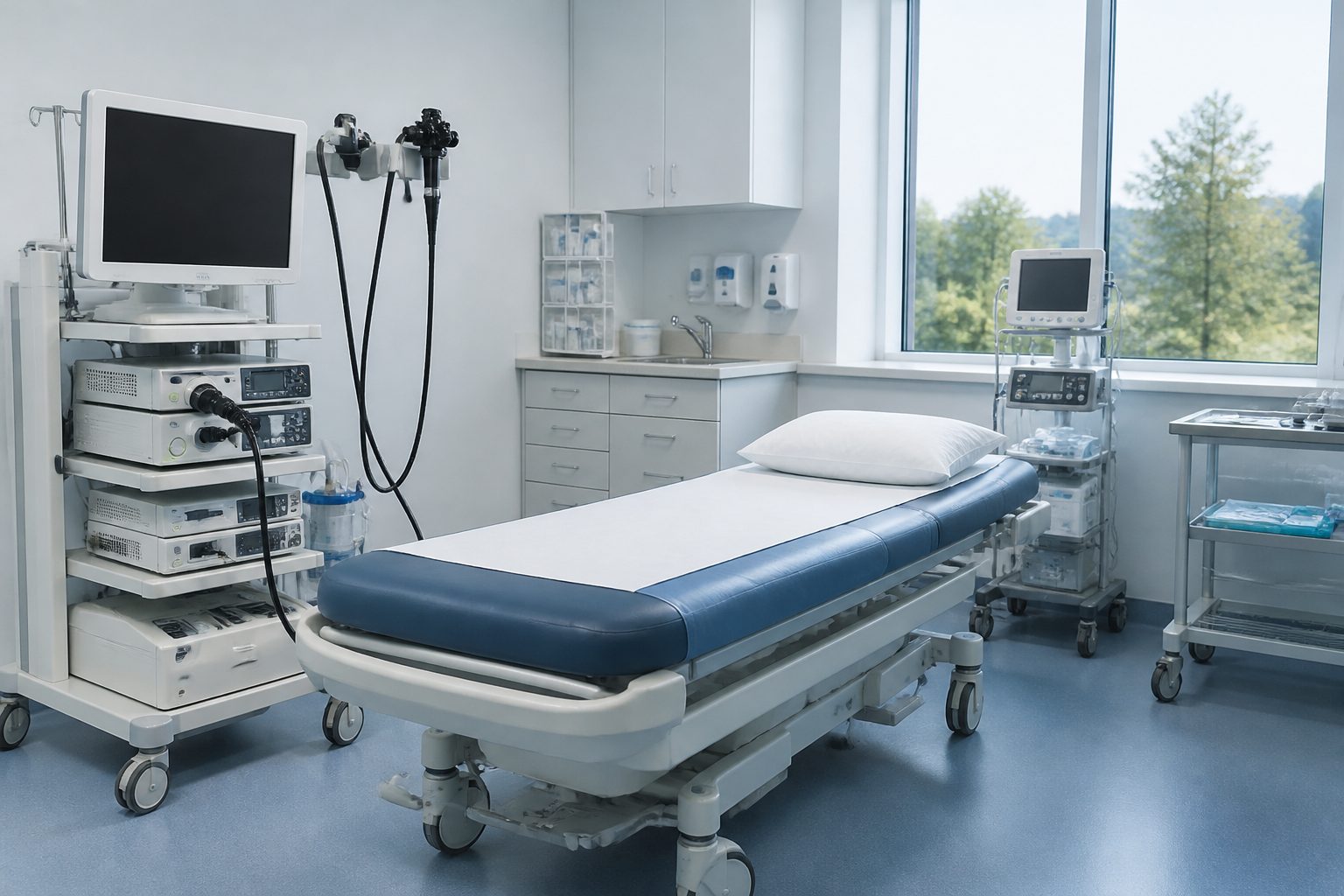
Patients considering a colonoscopy abroad can expect lower costs, shorter wait times, and access to internationally accredited hospitals. This step-by-step guide explains how to choose a destination, understand the costs, and safely book your procedure.
Colonoscopy prices abroad typically range from $300 to $2,000, depending on country and hospital. The process can usually be arranged within 4-8 weeks if you follow the right steps and prepare your medical documents in advance.
What is a colonoscopy and who needs one?
A colonoscopy is a procedure that allows doctors to examine the inside of the large intestine (colon) using a flexible camera. It is recommended for adults over 45 as a screening test for colorectal polyps and early cancer, and for those with symptoms like bleeding, persistent abdominal pain, or unexplained changes in bowel habits. People with a family history of colorectal disease or certain chronic digestive conditions may also need regular colonoscopies.
Colonoscopy is usually performed by a gastroenterologist or a general surgeon with special training in endoscopy. The procedure is done under sedation, and most patients can go home the same day. If you are considering having the test abroad, it is important to know what is included in the package and how to coordinate with your local doctor.
Step 1: Gather your medical information
Before initiating contact with hospitals abroad, it’s vital to compile a comprehensive set of your medical records. This should include a detailed medical history, a list of current medications and dosages, known allergies, and records of any previous colonoscopies or endoscopies. If you have undergone recent blood tests, imaging studies (such as ultrasound, CT, or MRI), or other relevant diagnostic procedures, include these reports as well. Many international hospitals require all documents to be in English, so allow sufficient time for accurate translation if your records are in another language.
Having your documentation organized and ready not only demonstrates your preparedness but also allows the medical team abroad to assess your suitability for a colonoscopy. This is particularly important if you have chronic health conditions such as diabetes, heart disease, or kidney issues, as these may influence anesthesia choices or procedural risks. Well-prepared records enable the hospital to provide a more precise cost estimate and to anticipate any special requirements or monitoring you might need during your visit.
In some countries, such as Singapore or Germany, hospitals may request additional screening tests or specific forms prior to confirming your appointment. It’s a good idea to scan and securely store digital copies of your records for easy sharing. Double-check that your passport and any required travel insurance documents are also up to date, as some hospitals will ask for these as part of their registration process. By taking these steps, you streamline the scheduling process, reduce the risk of delays, and help ensure your safety throughout your medical journey abroad.
Step 2: Research and shortlist hospitals
Thorough research is the foundation of a successful and cost-effective colonoscopy abroad. Start by identifying hospitals or medical centers with a strong reputation in gastroenterology and endoscopy. Look for facilities that have earned accreditation from respected international bodies such as the Joint Commission International (JCI), or national organizations like NABH in India or the Turkish Ministry of Health. Accreditation ensures the facility meets rigorous standards for patient safety, hygiene, and clinical quality.
Prioritize hospitals that have dedicated international patient offices. These teams are experienced in handling the unique needs of overseas patients—they can help you with everything from submitting medical records and scheduling appointments to obtaining cost estimates, arranging airport transfers, and even assisting with visa documentation. In countries like Mexico, Costa Rica, Thailand, and Singapore, the best hospitals often advertise their international patient services on their websites.
When narrowing down your options, consider the hospital’s location in relation to major airports, reliable transportation, and safe neighborhoods. Check if English-speaking staff and interpreters are available, as clear communication is essential for your safety and comfort. Review patient testimonials and independent reviews on forums or third-party platforms to gauge satisfaction with care and transparency.
Request detailed information on colonoscopy package pricing. Some hospitals offer all-inclusive rates that cover the consultation, sedation, doctor’s fees, basic pathology, and follow-up, while others may charge separately for each component. Be wary of hidden fees for anesthesia, extra pathology, or additional procedures like polyp removal. Confirm whether aftercare and emergency support are included. By carefully evaluating these concrete factors, you can select a hospital that meets your medical needs, budget, and expectations for quality and transparency.
Step 3: Request quotes and confirm inclusions
Once you have shortlisted reputable hospitals, the next step is to directly request detailed quotes from their international patient coordination teams. Use official channels—such as the hospital’s website, email, or phone—to ensure you are communicating with authorized staff. Provide your translated medical records, a summary of your health history, and any specific concerns. This helps the hospital give you an accurate cost estimate and identify any special requirements you may have.
Ask for a comprehensive breakdown of what is included in the quoted price. Essential inclusions should cover the initial specialist consultation, pre-procedure blood tests, sedation or anesthesia, the colonoscopy itself, removal of small polyps if necessary, pathology charges for tissue analysis, and post-procedure follow-up consultations. Inquire whether the quote also covers hospital fees, nursing care, and any medications provided during your stay. Some countries, such as India and Thailand, often offer package deals that bundle these services, while in Western Europe or Singapore, charges may be itemized separately.
Clarify potential extra costs for additional procedures, such as removal of larger polyps, extensive biopsies, or treatment of unexpected complications like bleeding. Ask about the cost of hospital stays if you need to be admitted overnight, which can be a significant expense in some countries. Make sure to understand the hospital’s cancellation and rescheduling policies, as well as payment terms—some facilities require a deposit to secure your booking, while others may have flexible arrangements for international patients.
Finally, request written confirmation of all inclusions and exclusions to avoid misunderstandings. This documentation is especially important if you are comparing quotes from hospitals in different countries, where pricing structures and billing practices can vary widely. By taking these practical steps, you can make an informed decision that balances quality of care with financial transparency and peace of mind.
Step 4: Schedule your procedure and plan travel
Once you have chosen a hospital and accepted a quote, coordinate with their international patient coordinator to schedule your colonoscopy. Many hospitals will advise you to arrive at least one or two days before the procedure for a pre-assessment and to collect bowel preparation instructions and medication.
Book flights and accommodation close to the hospital. Plan to stay at least one night after the procedure, as sedation can affect your ability to travel. If you need a medical visa, the hospital may provide an invitation letter; check visa requirements early to avoid delays. Arrange travel insurance that covers medical procedures and any potential complications.
Step 5: Prepare for your colonoscopy
All patients must undergo bowel preparation to clean the colon before the procedure. This usually involves a special diet and strong laxatives, starting 1-2 days before the colonoscopy. The hospital will give you precise instructions. Follow them carefully to ensure the colon is clear, as poor preparation can compromise the results and may require repeating the procedure.
If you have diabetes, heart, or kidney disease, let the hospital know in advance. You may need to adjust your usual medications before the colonoscopy. Bring a list of your medicines and inform the team about any allergies or previous reactions to sedation or anesthesia.
Step 6: Undergoing the procedure
On the day of your scheduled colonoscopy, it is essential to closely follow the hospital’s pre-procedure instructions, which typically include fasting for at least 6–8 hours and completing a bowel preparation regimen. Arrive at the hospital with your identification, medical records, and any necessary payment confirmation. Most international hospitals, whether in Turkey, Thailand, or Mexico, will have staff to guide you through the check-in process and answer any last-minute questions.
The colonoscopy is generally performed under conscious sedation or light intravenous anesthesia, which helps minimize discomfort while allowing you to remain responsive. The actual procedure usually takes between 20 and 40 minutes, depending on findings and whether interventions like polyp removal are necessary. During the procedure, the doctor will carefully examine the colon and rectum, and if polyps or suspicious areas are found, they may be removed or biopsied and sent for pathology analysis. In some countries, like India, basic polyp removal and pathology may be included in the package, while in others, additional fees may apply.
After the procedure, you will be monitored in a recovery area for 1–2 hours to ensure the effects of sedation wear off safely. It is normal to feel bloated, gassy, or mildly crampy, but serious complications such as bleeding or perforation are rare—especially in accredited international hospitals. Before discharge, the doctor or nurse will review preliminary findings with you and provide written instructions for recovery. If biopsies were taken, pathology results are typically available within a few days; many hospitals will email these to you or your home physician. Make sure you understand all instructions and have the hospital’s contact information in case you have questions or concerns once you leave the facility.
Step 7: Aftercare and follow-up
After your colonoscopy abroad, proper aftercare is crucial to ensure a smooth recovery and to address any potential complications. Most patients are able to resume their normal daily activities within 24 hours, but it is essential to arrange for a local contact or companion to stay with you for the first day following sedation. This precaution is necessary because sedative medications can temporarily affect your coordination and judgment, making it unsafe to drive or navigate unfamiliar environments alone.
Keep the hospital’s emergency contact details and your treating physician’s number easily accessible. If you experience any symptoms such as severe abdominal pain, persistent vomiting, high fever, significant bleeding, or fainting, seek immediate medical attention. In countries like Thailand, India, or Turkey—popular destinations for medical tourism—many top hospitals provide a 24/7 helpline for international patients. Some even offer translation services to help you communicate effectively in case of emergencies.
Once you are discharged, you will receive a detailed medical summary outlining the procedure, findings, and recommendations for follow-up. If polyps were removed or biopsies taken, the pathology results may take a few days to process; many hospitals can email these results to you or your home physician. It is important to share all reports and recommendations with your regular doctor back home, so they can guide your ongoing care, especially if further monitoring or treatment is needed.
If your procedure revealed abnormalities such as polyps, inflammation, or signs of cancer, you may require additional treatment. Some hospitals abroad offer remote follow-up consultations via telemedicine, allowing you to discuss results and next steps without returning in person. Before leaving the country, ask about these virtual options and clarify how to access them. Make sure you understand any medication instructions, dietary restrictions, or warning signs that require immediate action. Taking these steps ensures your health and safety after returning home, and helps your local healthcare team provide seamless follow-up care.
Colonoscopy costs: country comparison
| Country | Typical cost range (USD) | What is included |
|---|---|---|
| India | $300-$600 (₹25,000-50,000) | Consultation, sedation, colonoscopy, basic pathology |
| Thailand | $400-$1,000 (฿14,500-36,000) | Consultation, sedation, colonoscopy, polyp removal |
| Turkey | $600-$1,200 (₺19,000-38,000) | Consultation, colonoscopy, sedation, basic pathology |
| Mexico | $700-$1,300 (MX$12,000-22,000) | Consultation, colonoscopy, sedation, polyp removal |
| Philippines | $350-$700 (₱20,000-40,000) | Consultation, colonoscopy, sedation |
| United Kingdom (private) | $1,200-$2,000 (£950-1,600) | Consultation, colonoscopy, sedation, some pathology |
| United States (self-pay) | $1,500-$3,500 | Consultation, colonoscopy, sedation, pathology |
| UAE | $800-$1,700 (AED 2,900-6,300) | Consultation, colonoscopy, sedation, basic pathology |
What is and isn’t included in colonoscopy packages
Colonoscopy packages abroad typically cover the initial consultation, bowel preparation kit, sedation or anesthesia, the colonoscopy itself, and a basic pathology review for small polyps. Some hospitals include removal of polyps, while others charge extra for each one, especially if they are large or require special techniques. Additional costs may arise for extensive biopsies, advanced imaging, or unexpected findings that need treatment.
Follow-up consultations, pathology beyond a basic review, and take-home medications are sometimes not included. Hospital stays for complications or extra procedures are usually billed separately. Always request a full list of inclusions and exclusions before booking, and clarify the process for obtaining your medical reports and images.
Hidden costs and how to avoid surprises
Some potential hidden costs include extra pathology charges, advanced sedation or anesthesia (if you have special medical needs), and treatment of any complications. If your hospital stay is extended due to findings during the colonoscopy, this may increase costs. Travel, accommodation, visa fees, and insurance are separate from the medical package and should be budgeted for.
To avoid surprises, ask for a written quote that specifies all possible fees. Confirm whether the price includes polyp removal, pathology for each sample, and follow-up visits. Ask about payment methods, currency, and refund policies. If you need a translator, check if this is provided or if you must arrange it independently.
How to save money safely
Patients can save on colonoscopy abroad by traveling to countries with lower healthcare costs, such as India or the Philippines. Booking directly with the hospital’s international patient department usually yields the best rates. Some hospitals offer bundled packages for multiple procedures (such as colonoscopy and gastroscopy), which can reduce the per-procedure cost.
Avoid the lowest-cost providers that lack accreditation or experience with international patients. Always verify the facility’s credentials and check that doctors are board-certified in gastroenterology. Traveling in the off-peak season may also reduce flight and accommodation expenses. Using reputable medical travel agencies can help with logistics, but compare their fees to direct hospital quotes.
Frequently asked questions
How long does it take to schedule a colonoscopy abroad?
Most international hospitals can schedule a colonoscopy within 2-4 weeks of receiving your medical documents and deposit, though some are even faster. Allow extra time for visa processing and travel arrangements.
Is it safe to have a colonoscopy abroad?
Colonoscopy is generally safe when performed at accredited hospitals by experienced doctors. Check for JCI or national accreditation, ask about infection control, and ensure you have access to aftercare and emergency support.
Will I need to stay overnight after the procedure?
Most patients are discharged a few hours after the colonoscopy once sedation wears off. However, it is best to stay nearby for at least one night in case of delayed side effects or complications.
What happens if polyps or other problems are found?
Small polyps can usually be removed during the colonoscopy and sent for pathology. If larger polyps or other concerns are found, you may need further procedures or surgery. Discuss all possible scenarios with your hospital in advance.
Can I use insurance for a colonoscopy abroad?
Some international health insurance and travel insurance policies cover colonoscopy if it is medically necessary. Check with your insurer before booking and ask the hospital for an itemized bill to support your claim.
Related guides
Disclaimer: Prices in this article are indicative and may vary by patient, hospital, and location. Always obtain a written quote and consult a qualified doctor before making any medical travel decisions.