
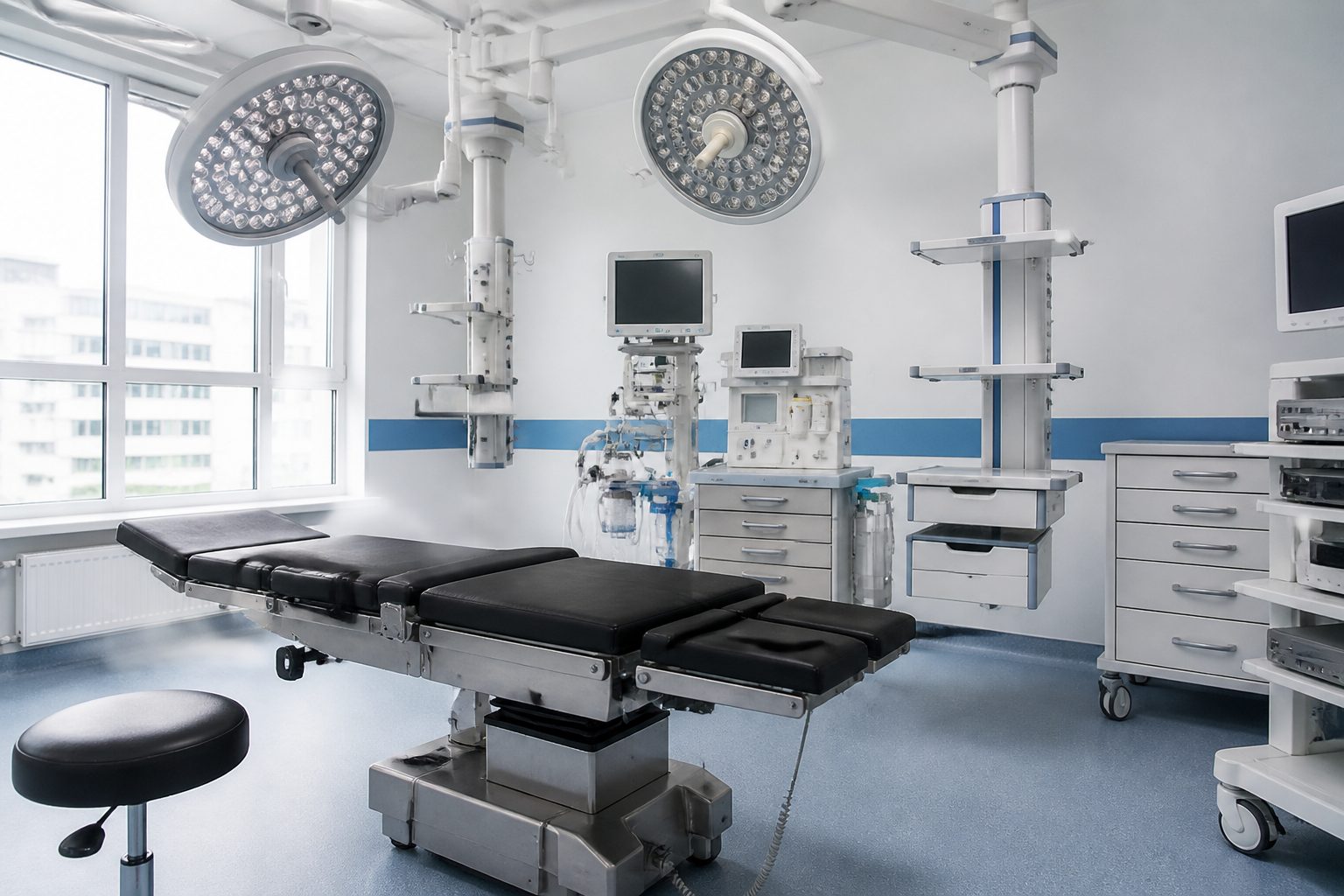
This guide is for men and families researching the cost of prostate surgery in Malaysia, especially those considering treatment for benign prostatic hyperplasia (BPH) or other non-cancerous prostate conditions. Expect to pay between $4,000 and $8,500 for standard procedures at Malaysia’s leading private hospitals, with prices varying by hospital, surgeon, and technique.
Malaysia is known for its modern medical facilities, English-speaking staff, and a transparent approach to pricing. However, understanding what is included in the quoted cost—and what is not—can help you avoid surprises and plan your treatment with confidence.
What types of prostate surgery are available in Malaysia?
Malaysia is well-regarded for offering a range of advanced, minimally invasive surgical options for benign prostate enlargement, known medically as benign prostatic hyperplasia (BPH). International patients often choose Malaysia because its urology centers are equipped with modern technology and experienced surgeons, providing procedures that match international standards while remaining cost-effective.
- TURP (Transurethral Resection of the Prostate): This is the most established and widely performed technique for moderate to severe BPH. It involves removing excess prostate tissue through the urethra using a resectoscope. TURP offers reliable symptom relief and is suitable for most patients, making it the gold standard worldwide.
- HoLEP (Holmium Laser Enucleation of the Prostate): This state-of-the-art laser procedure is increasingly available at leading Malaysian hospitals. HoLEP uses a holmium laser to precisely remove obstructive prostate tissue, resulting in less bleeding, shorter catheter time, and faster recovery compared to traditional TURP. It is especially beneficial for patients with larger prostates or those on blood thinners.
- GreenLight PVP (Photoselective Vaporization of the Prostate): This minimally invasive laser treatment uses high-intensity green light to vaporize prostate tissue. GreenLight PVP is associated with minimal bleeding and rapid recovery, making it a good choice for patients with moderate symptoms or those at higher risk for surgical complications.
Open or laparoscopic prostate surgeries are far less common for BPH in Malaysia, generally reserved for patients with extremely large glands or complex anatomical challenges that cannot be managed endoscopically. These procedures are more invasive, require longer recovery, and are only performed in select hospitals with the necessary expertise. It is important to note that Malaysia’s private hospitals typically do not admit international patients for prostate cancer surgery; the focus is on treating non-cancerous (benign) conditions only. If you are seeking prostate cancer treatment, you may be referred to a specialized oncology center or advised to consider treatment in your home country.
Before deciding on a procedure, patients should consult with a Malaysian urologist to determine the most suitable surgical approach based on prostate size, overall health, and personal preferences. Many hospitals offer teleconsultations to help international patients make informed choices before traveling.
How much does prostate surgery cost in Malaysia?
The cost of prostate surgery in Malaysia is among the most affordable in Southeast Asia, making it a popular destination for international patients seeking quality care at lower prices. The total cost depends on several key factors, including the type of surgical procedure (such as TURP, HoLEP, or GreenLight PVP), the choice of hospital (with prices varying between major private hospitals in Kuala Lumpur, Penang, or Johor Bahru), and the complexity of your medical case. For example, patients with underlying health conditions or those who require additional specialist input may see higher bills due to extra monitoring or support services.
As a general guide, self-paying international patients at Malaysian private hospitals can expect the following price ranges:
- TURP (Transurethral Resection of the Prostate): $4,000–$6,000 (MYR 18,700–28,000)
- HoLEP (Holmium Laser Enucleation of the Prostate): $5,500–$8,500 (MYR 25,700–39,700)
- GreenLight PVP (Photoselective Vaporization of the Prostate): $5,000–$7,500 (MYR 23,400–35,100)
These figures are significantly lower than equivalent procedures in the US, UK, or Australia, where costs can be two to four times higher. The quoted price usually covers the surgeon’s and anaesthetist’s professional fees, the use of the operating theatre, a standard hospital room for a 2–3 night stay, routine medications, and basic laboratory investigations.
However, it’s important to note that the base package rarely includes all costs. Additional expenses can arise from pre-surgical consultations, advanced imaging (such as MRI or CT scans), extra nights in hospital if your recovery is slower than expected, or if complications occur. The location of the hospital can also affect the price, with hospitals in Kuala Lumpur often charging a premium compared to those in smaller cities. International patients should always request an itemized quotation and clarify what is and isn’t included before making any commitments.
To help manage costs, some hospitals offer bundled packages for overseas patients, which can provide better value and peace of mind. If you have specific medical needs or require a translator, mention these early to ensure they are factored into your estimate. Always budget for a contingency fund in case of unforeseen medical needs or travel changes.
Cost comparison: Malaysia and other popular countries
To help you compare, here is a table of typical costs for prostate (BPH) surgery in Malaysia and other countries known for high-quality urology care. These are indicative ranges for private hospitals, self-pay patients, and standard procedures. Currency conversions use mid-2024 rates.
| Country | TURP cost | HoLEP cost | GreenLight PVP cost | Notes |
|---|---|---|---|---|
| Malaysia | $4,000-$6,000 (MYR 18,700–28,000) | $5,500-$8,500 (MYR 25,700–39,700) | $5,000-$7,500 (MYR 23,400–35,100) | Modern facilities, English-speaking, transparent fees |
| India | $2,400-$4,200 (₹2-3.5 lakh) | $3,200-$5,800 (₹2.7-4.9 lakh) | $3,000-$5,000 (₹2.5-4.2 lakh) | Lower prices, wide range of hospital quality |
| Thailand | $4,200-$7,000 (THB 150,000–250,000) | $5,500-$9,000 (THB 200,000–325,000) | $5,000-$8,000 (THB 180,000–290,000) | Tourism-friendly, high standards, variable extras |
| Singapore | $8,000-$14,000 (SGD 10,900–19,100) | $10,000-$16,000 (SGD 13,600–21,700) | $9,000-$14,000 (SGD 12,200–19,100) | High costs, strict standards, short waiting times |
| Turkey | $3,800-$6,500 | $5,000-$8,200 | $4,500-$7,000 | Competitive pricing, JCI hospitals available |
| UAE (Dubai) | $7,000-$12,000 (AED 25,700–44,100) | $9,000-$15,000 (AED 33,000–55,000) | $8,000-$13,000 (AED 29,400–47,800) | Modern, convenient, higher prices |
| US | $13,000-$22,000 | $15,000-$28,000 | $14,000-$25,000 | Very high costs, insurance often needed |
| UK (private) | $8,000-$15,000 (£6,400–12,000) | $10,000-$18,000 (£8,000–14,400) | $9,500-$16,000 (£7,600–12,800) | Private sector, NHS does not cover non-urgent BPH |
What is included in the price?
Prostate surgery packages in Malaysia’s private hospitals are typically designed to be comprehensive, especially for international patients who value predictable costs and streamlined care. The standard inclusions in these packages focus on covering the essential aspects of your surgical experience, but it is important to understand the details to avoid unexpected expenses.
- Surgeon and anaesthetist fees: The professional services of your lead urologist and the anaesthetist for the duration of the operation.
- Standard operating theatre charges: This covers the use of the surgical suite, instruments, and support staff during the procedure.
- Hospital stay: Packages usually include a standard room (single or twin) for 2–3 nights, which is the typical recovery time for minimally invasive prostate surgery.
- Routine medications during admission: Medications such as pain relief, antibiotics, and fluids administered during your hospital stay are included.
- Basic pre-op blood and urine tests: Standard laboratory investigations to ensure you are fit for surgery.
- Standard post-op follow-up before discharge: Includes wound checks, catheter removal (if applicable), and basic instructions for home care.
However, there are several important exclusions that patients should be aware of. These typically include:
- Initial specialist consultation and diagnostic imaging: The first appointment with your urologist and any advanced imaging (MRI, CT, or ultrasound) are usually billed separately.
- Specialist investigations: Tests like urodynamics, detailed PSA blood tests, or biopsy procedures are not part of the base package.
- Extra nights in hospital: If your recovery takes longer than the standard period, additional room charges will apply.
- Medications to take home: Prescriptions for ongoing medication after discharge are generally not included.
- Treatment of unexpected complications: Any extra procedures, intensive care, or unexpected interventions are charged separately.
- Follow-up appointments after discharge: Outpatient visits, whether in person or via telemedicine, are not covered by the initial surgical package.
- Travel, accommodation, and meals for companions: These are outside the scope of the medical package and must be arranged and paid for independently.
To avoid confusion, always ask your hospital or medical facilitator for a written breakdown of what is and isn’t included. Many Malaysian hospitals are willing to tailor packages for patients with special requirements, such as extended stays, translation services, or specific dietary needs. Reviewing your package details in advance will help you plan your budget and avoid surprises during your medical trip.
Hidden and extra costs to watch for
Despite the appeal of all-inclusive package pricing, it’s important for patients to be vigilant about potential extra charges that can arise before, during, or after prostate surgery in Malaysia. Understanding these hidden costs will help you budget more accurately and prevent surprises.
- Additional days in hospital: While most packages include a standard 2–3 night stay, recovery times can vary. If you require extra nights due to slow recovery, pre-existing conditions, or minor complications, you’ll be charged per additional day. Expect to pay $250–$400 (MYR 1,200–1,900) per night for a single room, with higher rates for suites or VIP rooms.
- Advanced imaging: Pre-surgical MRI or CT scans are sometimes recommended for complex cases or if your urologist needs more detailed information. These scans are typically not included in the base package and can cost $250–$600 (MYR 1,200–2,800) each, depending on the hospital and technology used.
- Unexpected complications: While rare, complications such as bleeding, infection, or urinary retention may require extra procedures, ICU care, or extended hospitalization. These can add thousands of dollars to your bill. It is strongly advised to have comprehensive travel insurance that covers medical complications and emergency evacuation.
- Follow-up care: Outpatient appointments after discharge, whether for wound checks, catheter removal, or symptom review, are usually billed separately. Each visit typically costs $30–$60 (MYR 140–280), and you may need one or more depending on your recovery.
- Medications to take home: Prescriptions for antibiotics, painkillers, or other medications after discharge are not included in the standard package. Costs range from $30–$80 (MYR 140–370) depending on your needs and the length of your prescription.
Other potential costs to consider include laboratory tests not covered by the package, fees for extra nursing care, or charges for bringing a companion who requires meals or accommodation at the hospital. Some hospitals offer value-added services for international patients, such as airport transfers, translation, or help with booking local hotels or serviced apartments. These may be complimentary or offered at a fee, so always confirm in advance.
To avoid unexpected expenses, ask your hospital for a detailed, itemized estimate and clarify what happens if your recovery doesn’t go as planned. Consider setting aside a contingency fund and ensure your travel insurance is up to date and comprehensive.
How to save money safely
There are several ways to keep your costs down without compromising safety or outcomes:
- Choose a hospital with clear package pricing: This makes it easier to compare and reduces the risk of surprise charges.
- Share your medical records in advance: Sending your test results and scans before arrival can prevent repeat investigations and unnecessary costs.
- Travel during off-peak times: Airfares and hotel prices are lower outside of major holidays and school breaks.
- Ask about room options: Standard single rooms are usually included, but deluxe or suite upgrades cost extra.
- Clarify follow-up arrangements: Find out if you can have routine follow-up with your local doctor after returning home.
Be wary of offers that seem much cheaper than average, as they may exclude key services or use less experienced surgeons. Focus on hospitals with experience in BPH surgery for international patients, and check for international accreditations (JCI, MSQH, or similar).
How to choose a hospital for prostate surgery in Malaysia
Malaysia’s top private hospitals and specialty clinics for urology are concentrated in Kuala Lumpur, Penang, and Johor Bahru. When comparing options, consider the following:
- Experience and volume: Hospitals that perform a high number of BPH surgeries usually have more streamlined processes and better outcomes.
- International patient services: Look for hospitals with dedicated coordinators, English-speaking staff, and help with logistics.
- Technology and techniques: Not all hospitals offer HoLEP or GreenLight laser; confirm availability if you prefer these methods.
- Accreditation: JCI, MSQH, or ISO certification adds reassurance about quality and safety.
- Location and convenience: Kuala Lumpur is best for international flights, while Penang and Johor Bahru offer quieter environments and lower living costs.
Most hospitals require a pre-admission assessment, so be prepared to send your medical history, test results, and a summary from your local urologist ahead of time. This helps the surgical team plan your care and avoid unnecessary delays.
Planning your trip: timeline and practical tips
Careful planning is essential for a smooth and stress-free prostate surgery experience in Malaysia. International patients should allocate at least 7–10 days for the entire process, allowing time for pre-operative assessment, the surgery itself, initial recovery, and post-operative follow-up. Here is a more detailed look at the typical timeline and practical advice for your medical journey:
- Day 1–2: Arrive in Malaysia and settle into your accommodation. Attend pre-surgery consultations, which may include meeting your urologist and anaesthetist, undergoing blood tests, urine analysis, and possibly imaging studies. This is also when you’ll finalize your surgical consent and review the procedure plan.
- Day 3: Undergo surgery, usually scheduled for the morning. You’ll spend 2–3 nights in the hospital, where your recovery is closely monitored and you’ll receive pain management, IV fluids, and wound care.
- Day 6–7: Discharge from hospital following a post-op check, catheter removal (if applicable), and instructions on medications and wound care. You’ll be advised on signs of complications and when to seek help.
- Day 7–10: Rest and recover in a hotel or serviced apartment. A final check-up is often scheduled before you are cleared to fly home. This appointment may include suture removal or a review of your recovery progress.
Most patients are able to return home 7–10 days after surgery, but those with pre-existing health issues or minor complications may need to extend their stay. To accommodate potential delays, book flexible or refundable air tickets. If you require assistance with daily activities post-discharge, consider arranging for a companion or hiring local nursing support.
Bring all relevant medical documents, such as recent blood results, ultrasound or MRI reports, and a summary of your prostate symptoms and previous treatments. If you are on regular medications, bring enough for your stay plus a few extra days in case of travel delays. Notify your airline if you have mobility needs or require special assistance at the airport.
Finally, research local amenities near your hospital or hotel, including pharmacies, supermarkets, and clinics, to ensure you have easy access to essentials during your recovery. Many Malaysian hospitals offer support services for international patients, such as airport pickups, translation, and help with local arrangements—ask your hospital coordinator for details before you travel.
Frequently asked questions
Is it safe to have prostate surgery in Malaysia?
Malaysia’s leading private hospitals match international standards in surgical safety, infection control, and post-operative care. Many surgeons are trained in the UK, Australia, or Singapore. Choose a hospital with international accreditation and experience treating overseas patients.
How long will I need to stay in Malaysia after surgery?
Most patients are advised to stay 7–10 days in Malaysia, covering pre-op assessment, surgery, and initial recovery. Some may need extra days if they have other health conditions or minor complications. Always confirm your timeline with your hospital before booking flights.
Can I choose between TURP, HoLEP, and laser prostate surgery?
Yes, but not all hospitals offer every technique. TURP is most widely available, while HoLEP and GreenLight laser are offered at select centres. Your suitability depends on prostate size, anatomy, and medical history. Discuss options with your surgeon during your initial consultation.
Will my insurance cover prostate surgery in Malaysia?
Most international health insurance plans do not cover elective prostate surgery outside your home country, unless arranged through a specific medical travel program. It’s best to check with your insurer and get approval in writing before proceeding.
What follow-up care will I need after returning home?
Most patients need a follow-up appointment 4–6 weeks after surgery to check healing and urinary function. This can usually be done with a local urologist. Ask your Malaysian hospital for a detailed report and instructions for your doctor at home.
Related guides
Disclaimer: Prices in this guide are indicative and vary by hospital, surgeon, and individual case. Always request a written quote and consult a qualified doctor before making any medical or travel decisions.