
Liver disease treatment without transplant or cancer care is available at leading hospitals in India, Malaysia, and the USA, with costs ranging from $400 to $12,000 depending on the diagnosis and procedure. This guide compares typical prices for tests and treatments, explains what is included, and offers practical advice for patients.
This article is for patients and families considering non-cancer, non-transplant liver care—such as hepatitis, cirrhosis, fatty liver, or gallstone management—and looking to understand costs, what is covered, and how to plan treatment in these three countries.
Liver disease treatment cost comparison: India, Malaysia, USA
Liver disease is a broad category, covering conditions like hepatitis, cirrhosis, fatty liver disease, gallstones, and complications such as ascites or varices. Treatment can range from simple outpatient consultations and blood tests, to endoscopic procedures, minimally invasive surgery, and hospitalisation for complications. Costs vary widely, so it is important to clarify what is included in any price you see advertised.
Below is a table comparing typical costs for common non-cancer, non-transplant liver disease diagnostics and treatments across India, Malaysia, and the USA. All prices are indicative and may vary by city, hospital, and patient case complexity.
| Service | India (USD/₹) | Malaysia (USD/MYR) | USA (USD) | What’s Included |
|---|---|---|---|---|
| Initial specialist consult | $25-$60 (₹2,000-5,000) | $30-$80 (MYR 140-370) | $200-$400 | Doctor fee, basic examination |
| Liver function tests (LFTs) | $15-$40 (₹1,200-3,300) | $25-$60 (MYR 120-270) | $80-$200 | Lab blood panel |
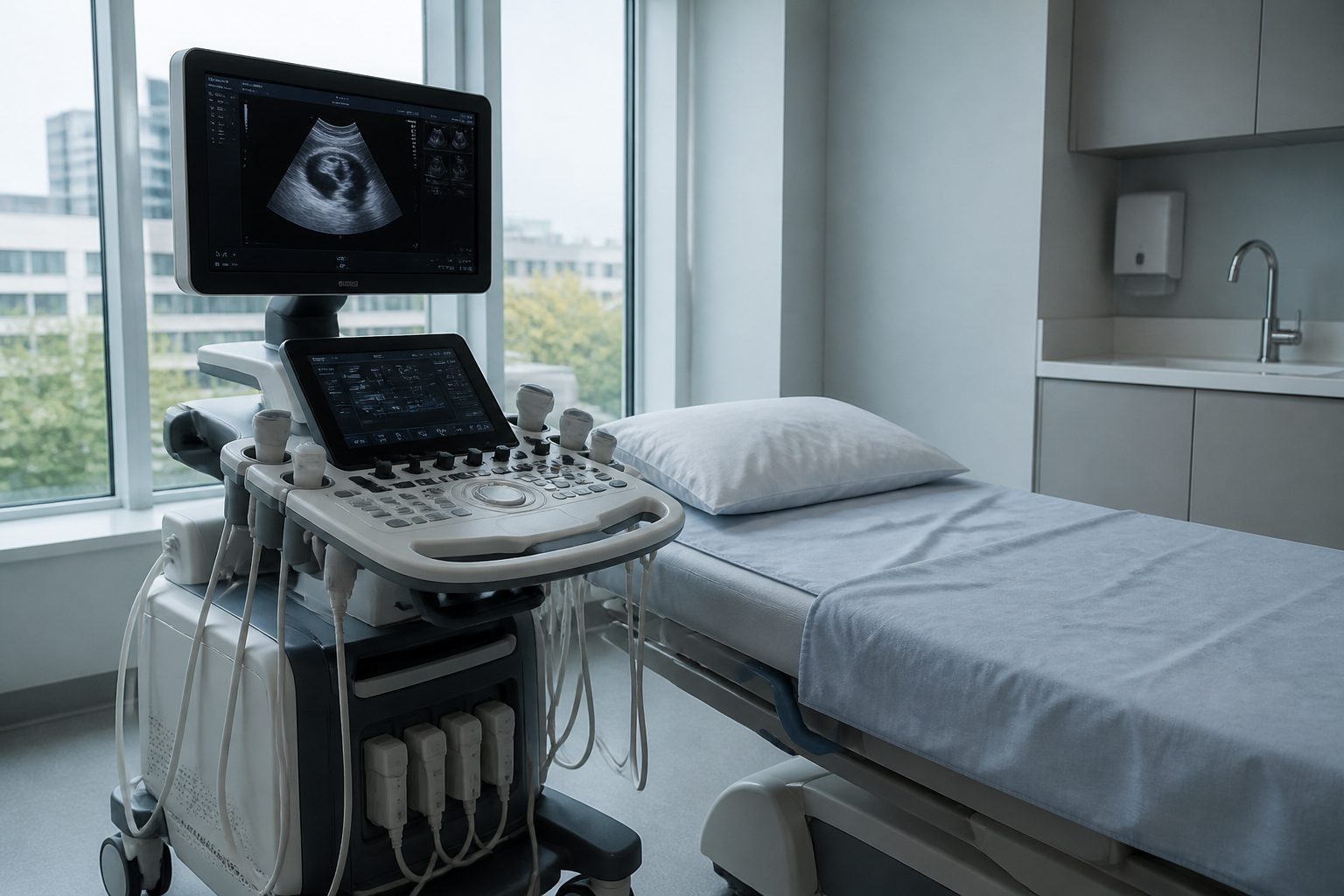
| Liver ultrasound | $35-$80 (₹2,900-6,600) | $40-$100 (MYR 180-460) | $250-$600 | Imaging, radiologist fee |
| FibroScan (liver stiffness) | $45-$110 (₹3,700-9,000) | $60-$140 (MYR 280-650) | $300-$700 | Non-invasive test, report |
| Endoscopy (diagnostic) | $150-$300 (₹12,000-25,000) | $250-$400 (MYR 1,150-1,850) | $1,800-$3,000 | Procedure, sedation, day care |
| ERCP (gallstone/bile duct) | $800-$1,800 (₹66,000-1.5 lakh) | $1,300-$2,500 (MYR 6,000-11,500) | $5,000-$12,000 | Procedure, hospital, basic consumables |
| Hospital stay (per night, standard room) | $60-$120 (₹5,000-10,000) | $100-$200 (MYR 460-920) | $1,200-$2,500 | Room, nursing, meals |
| Medication (1 month, for hepatitis B/C) | $70-$150 (₹5,800-12,500) | $100-$200 (MYR 460-920) | $500-$1,000 | Generic or branded, oral |
What is included and what is not
Understanding exactly what is included in the quoted cost—and what is not—is essential for accurate budgeting and avoiding unexpected expenses during liver disease treatment. Typically, the base cost covers the direct medical service: the consultation, diagnostic test, or procedure itself. This includes the use of standard equipment, professional fees for the treating physician, and, for procedures like endoscopy or ERCP, standard sedation, disposables, and post-procedure monitoring. In India and Malaysia, package prices for procedures may also include a short hospital stay (1-2 nights), basic nursing care, and routine medications used during the procedure.
However, there are several common exclusions. Extra medications—especially branded or imported drugs—are usually charged separately and can be significantly more expensive. If your procedure requires advanced consumables, such as specialized stents, imported clips, or proprietary devices, these are often not included in the base package and can greatly increase your bill. Additional nights in hospital due to complications, intensive care, or specialist consultations are also billed separately, with costs rising steeply in the USA compared to India or Malaysia.
Outpatient consultations and basic diagnostics rarely include follow-up visits; these are typically charged per visit. Medication costs quoted are usually for generic options, and you should clarify if you prefer or require branded drugs. For international patients, some hospitals offer comprehensive packages that may include airport pickup, translation services, local SIM cards, and even accommodation, but this is not universal and often comes at a premium. Always request an itemized quote from your hospital or clinic, specifying what is included and what is not, and check with your insurance provider if any part of the treatment is covered. Taking these steps will help you avoid financial surprises and ensure you receive the care you expect within your budget.
Hidden and extra costs to watch for
When budgeting for liver disease treatment, it’s essential to be aware of hidden and extra costs that might not be included in the initial price quote. These additional expenses can vary significantly by country and facility, and may have a substantial impact on your overall budget.
- Pre-operative tests: Most hospitals require a range of blood tests, liver function panels, imaging studies (ultrasound, CT, or MRI), and sometimes cardiac clearance before any procedure. These are often billed separately from the main package, especially in private hospitals in India, Malaysia, and the USA.
- Follow-up care: Post-procedure consultations, repeat laboratory tests, and ongoing medication prescriptions are usually not included in the base price. In the USA, follow-up visits can be particularly expensive, while in India and Malaysia, they are more affordable but should still be budgeted for.
- Special consumables: Some procedures may require specialized stents, clips, or imported medical devices. These items, especially if not locally manufactured, can add hundreds or thousands of dollars to your bill. Always ask if your treatment is likely to require such consumables and request a cost estimate in advance.
- Complication management: If you develop complications—such as bleeding, infection, or need for intensive care—extra nights in hospital, additional procedures, or specialist consultations will increase your costs rapidly. This is particularly true in the USA, where daily hospital charges are among the highest in the world.
- Travel and accommodation: For international patients, don’t forget to include the cost of flights, hotels or serviced apartments, meals, and local transportation. These can sometimes exceed the cost of medical care itself, especially for longer stays or if a companion is required.
To avoid unpleasant surprises, always request a comprehensive, itemized cost breakdown from your hospital or clinic before committing to treatment. Ask specifically about potential extras based on your diagnosis and planned procedure. Inquire if the hospital offers package deals that cap or limit additional expenses, and clarify the process for handling unexpected costs, such as complications or re-admissions. Being proactive with these questions will help you budget accurately and reduce financial stress during your treatment journey.
How to save safely on liver disease care
There are several effective strategies to reduce the cost of liver disease care without sacrificing quality and safety. In India and Malaysia, public sector or government hospitals often offer treatment at a fraction of the cost of private hospitals. However, these facilities may have longer waiting times, limited English-speaking staff, and less individualized service, which can be challenging for international patients. For those traveling from abroad, private hospitals with dedicated international patient departments are often a better choice, as they provide streamlined services, but at a higher price point.
One of the most significant ways to save is by opting for generic medications instead of branded drugs, provided they are clinically appropriate. Generics in India and Malaysia are regulated and can be up to 80% less expensive than their branded counterparts, making ongoing treatment more affordable. Ask your doctor if generics are available and suitable for your case.
Many hospitals, particularly in India and Malaysia, offer bundled or package pricing for common procedures such as liver biopsy, endoscopy, or ERCP. These packages typically include pre-operative tests, the procedure itself, standard consumables, and short-term follow-up, helping you avoid hidden charges. However, always clarify what is included and what is not, as some advanced consumables or extra days in hospital may be billed separately.
To maximize safety, prioritize hospitals with international accreditation (such as JCI or NABH in India, MSQH in Malaysia), and check their track record in gastroenterology and hepatology. Read independent reviews and request references from previous international patients. Finally, consider timing your treatment during off-peak periods, as some hospitals offer discounts or more availability outside of local holiday seasons. By combining these approaches, you can safely reduce costs while ensuring high-quality care for your liver disease treatment.
Cost differences explained: India, Malaysia, USA
India and Malaysia offer high-quality liver disease care at a fraction of the cost of the USA. This is due to lower labour costs, less expensive infrastructure, and price controls on drugs and devices. In the USA, prices are much higher due to higher wages, expensive insurance billing systems, and higher costs for facilities and medications.
Malaysia is generally a bit more expensive than India, but still far less than the USA, and offers a strong focus on international patient services, language support, and modern hospital facilities. India has a large number of highly specialised liver units, especially in major cities, and is well known for its depth of expertise. In both countries, prices can vary considerably between major metros and smaller cities.
How to choose a hospital or clinic
Choosing the right hospital or clinic for liver disease treatment is crucial, as it can directly impact both your health outcomes and overall costs. Start by identifying hospitals with a dedicated department of gastroenterology or hepatology, as these are specialized in managing liver conditions. In India, look for facilities accredited by the National Accreditation Board for Hospitals (NABH) or the Joint Commission International (JCI); in Malaysia, the Malaysian Society for Quality in Health (MSQH) is the key accreditation body. In the USA, JCI and the Commission on Accreditation of Rehabilitation Facilities (CARF) are common markers of quality. International accreditation ensures adherence to global standards for patient safety and care.
Evaluate the experience and qualifications of the treating specialists. Research their credentials, years of experience, and involvement in liver disease management or transplantation. Many top centers in India and Malaysia have doctors trained in the USA or Europe. Also, check if the hospital is equipped with advanced diagnostic tools like FibroScan, MRI, and facilities for procedures such as ERCP (Endoscopic Retrograde Cholangiopancreatography), as not all centers offer these.
For international patients, practical considerations are equally important. Opt for hospitals with an international patient desk, which can provide English-speaking coordinators, assist with visa documentation, and help arrange airport transfers and local accommodation. Ask if the hospital supports telemedicine or video consultations for preliminary assessments, which can save you a trip if the treatment is not appropriate or if further workup is needed. Patient testimonials, independent reviews, and references from previous patients can provide real-world insights into the quality of care and service. Finally, always confirm the availability of your required procedure or test, as well as emergency care facilities, before making your choice. Taking these steps will help ensure a smoother, safer, and more cost-effective treatment journey.
Planning and timing your treatment
Effective planning and timing are essential to manage both the logistics and costs of liver disease treatment, especially if you are traveling internationally. Begin by gathering all your relevant medical records, including previous diagnoses, laboratory results, imaging reports (like ultrasound, CT, or MRI), and any prior treatment summaries. Most reputable hospitals in India and Malaysia offer a pre-arrival review service, where specialists assess your case remotely and provide a preliminary treatment plan and cost estimate. This step can help you avoid unnecessary travel if your case is not suitable for the facility, or if further tests are needed before proceeding.
Book your appointments and procedures well in advance, as top specialists and popular hospitals often have waiting lists, especially in major cities like Mumbai, Delhi, Kuala Lumpur, and Penang. For non-urgent liver disease management—such as hepatitis evaluation, liver biopsies, or non-emergency procedures—a typical stay ranges from 5 to 10 days. This period covers diagnostic workup, the main procedure, and initial follow-up. If your condition is complex or if you develop complications, a longer stay may be necessary, particularly in the USA where hospital stays are costlier and discharge planning is tightly regulated.
Arrange accommodation close to the hospital, as frequent visits may be needed for tests or follow-up. Many hospitals in India and Malaysia offer partnerships with nearby hotels or guesthouses at discounted rates for patients and families. Plan for local transportation, as well as contingencies in case your stay needs to be extended. Consider purchasing travel insurance that covers medical emergencies, cancellations, and unexpected complications, as this can save significant out-of-pocket expenses. Finally, coordinate with the hospital’s international patient coordinator for assistance with airport transfers, local SIM cards, and language interpretation if needed. Planning ahead in these ways will help you minimize stress and avoid unnecessary costs during your treatment journey.
Frequently asked questions
How do I know if the quoted price includes everything I need?
Always ask for an itemised quote listing all components: doctor fees, investigations, procedures, hospital stay, medications, and consumables. Clarify if additional nights, special drugs, or complications would incur extra charges.
Can I get a second opinion before travelling?
Most major hospitals in India and Malaysia offer remote second opinions based on your medical records and test results. This can help you confirm the diagnosis, proposed treatment, and expected costs before you travel.
Is it safe to use generic medications for liver disease?
In India and Malaysia, many generic medications are regulated and widely used. Ask your doctor if a generic is appropriate for your condition. For hepatitis B/C, generic antivirals can be significantly cheaper and effective.
Will my insurance cover treatment abroad?
Some international health insurance plans cover treatment in India or Malaysia, but most US-based plans do not. Always check with your insurer in advance, and get written confirmation of coverage for the specific hospital and procedure.
What should I bring with me for treatment?
Bring all previous medical records, lab reports, imaging (on CD or USB), a list of medications, and copies of your passport and visa. Having these ready will speed up your consultation and avoid unnecessary repeat tests.
Related guides
Disclaimer: Prices quoted are indicative and vary by hospital, city, and individual case complexity. Always obtain a personalised written quote and consult a qualified doctor before making treatment decisions.