
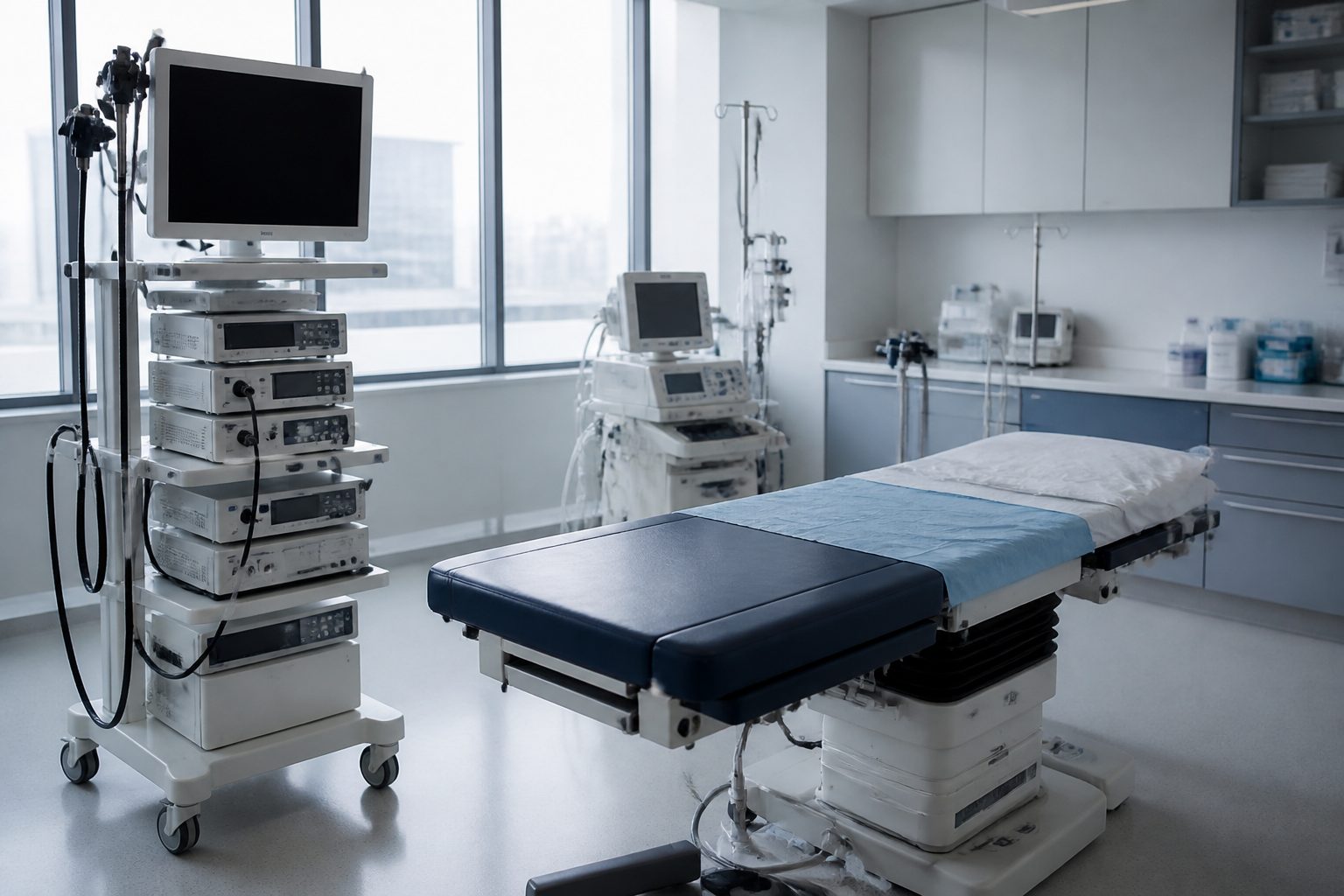
An endoscopic retrograde cholangiopancreatography (ERCP) is a procedure used to diagnose and treat conditions of the bile ducts, pancreas, and gallbladder. If you or a family member has been recommended for an ERCP, it’s natural to have questions about what to expect and how much it might cost.
ERCP is considered a minimally invasive but technically complex procedure. It combines endoscopy and X-ray to access and treat problems in the digestive system. Costs vary significantly depending on the country, hospital, and whether additional treatments are needed.
What is an ERCP procedure?
ERCP stands for endoscopic retrograde cholangiopancreatography. The procedure is used to diagnose and treat diseases of the bile ducts, pancreas, and gallbladder. During ERCP, a flexible tube with a camera (endoscope) is inserted through the mouth, down the esophagus, and into the stomach and duodenum. A special dye is injected into the bile and pancreatic ducts, and X-rays are taken to visualize blockages, stones, or strictures.
ERCP is often performed to remove gallstones from the bile duct, open narrowed ducts, insert stents, or take tissue samples (biopsies). It is more than just a diagnostic test—it can provide immediate treatment in the same session. This makes it different from other endoscopic procedures like a standard upper endoscopy (EGD) or colonoscopy.
Who needs an ERCP?
Doctors recommend ERCP for patients with symptoms or test results suggesting a problem in the bile or pancreatic ducts. Common reasons include:
- Jaundice (yellowing of skin/eyes) due to duct blockage
- Suspected or known bile duct stones
- Unexplained pancreatitis (pancreas inflammation)
- Persistent upper abdominal pain with abnormal liver tests
- Suspected narrowing (stricture) or injury to the bile ducts
ERCP is not a routine screening procedure. It is reserved for cases where imaging (like ultrasound or MRI) shows a problem that may need direct intervention. In many cases, non-invasive tests are tried first, and ERCP is performed only if necessary for treatment or further diagnosis.
How to prepare for ERCP
Preparation for ERCP is similar to other endoscopic procedures but with some key differences. Your care team will explain the steps, but you should expect to:
- Fast for at least 6-8 hours before the procedure (no food or drink)
- Discuss all medications you take. Blood thinners, diabetes medications, and some heart or blood pressure drugs may need adjustment.
- Arrange for someone to accompany you—sedation is used, so you won’t be able to drive afterward.
- Inform your doctor of any allergies, especially to iodine or contrast dye, as these are used during the procedure.
- Bring previous imaging reports and relevant medical records to the hospital or clinic.
In some cases, you may need blood tests, ECG, or imaging in advance to assess your fitness for sedation or anesthesia. Always follow your doctor’s instructions closely, as preparation can affect the safety and success of the procedure.
What happens during an ERCP?
ERCP is usually performed in a hospital’s endoscopy suite by a specialist gastroenterologist. Here’s what typically happens:
- You change into a gown and have an IV line placed for sedation and medications.
- You may receive a sedative or anesthesia to make you comfortable and drowsy.
- You are positioned on your left side on an X-ray table.
- The doctor inserts the endoscope through your mouth, guides it down to the duodenum (first part of the small intestine), and locates the opening of the bile and pancreatic ducts (ampulla of Vater).
- A thin tube (catheter) is passed through the endoscope to inject contrast dye into the ducts while X-rays are taken.
- If stones, blockages, or strictures are found, tools can be passed through the endoscope to remove stones, widen narrowed areas, or place stents.
- The entire procedure usually takes 30-90 minutes, depending on complexity.
After the procedure, you are moved to a recovery area while the sedative wears off and your vital signs are monitored. Most patients can go home the same day, but some may need to stay overnight for observation, especially if additional interventions were performed.
Recovery after ERCP
Recovery from ERCP is usually straightforward. You may feel groggy for several hours due to sedation. Some patients experience a sore throat, mild bloating, or cramping. Eating and drinking are usually allowed a few hours after the procedure, unless your doctor advises otherwise.
It’s important to watch for signs of complications, which can include:
- Severe abdominal pain
- Fever or chills
- Persistent vomiting
- Black or bloody stools
- Yellowing of the skin or eyes (worsening jaundice)
Most people return to normal activities within 24-48 hours. Your doctor will give you specific instructions about medications, diet, and follow-up. If a stent was placed, further procedures may be scheduled to remove or replace it.
Risks and complications
While ERCP is generally safe, it carries some risks. The most common complication is pancreatitis (inflammation of the pancreas), which occurs in about 3-10% of cases. Most cases are mild, but severe pancreatitis can occur rarely.
Other potential complications include:
- Infection of the bile ducts (cholangitis)
- Bleeding, especially if a cut (sphincterotomy) is made
- Perforation (tear) of the intestine or ducts
- Allergic reaction to the contrast dye
- Heart or breathing problems related to sedation
Your doctor will discuss these risks and the steps taken to minimise them. Most complications can be managed successfully if detected early. Let your care team know immediately if you experience severe pain, fever, or other concerning symptoms after ERCP.
ERCP costs in major countries
The cost of ERCP varies widely depending on the country, hospital, and whether additional treatments (like stenting or stone removal) are needed. Below is a comparison of typical ERCP costs in key medical travel destinations and Western countries. Costs may include hospital, doctor, sedation, and basic imaging fees, but additional charges can apply for complex cases or overnight stays.
| Country | Typical ERCP cost | What’s included | Notes |
|---|---|---|---|
| India | $900-$2,200 (₹75,000-1.8 lakh) | Procedure, sedation, 1-day stay | Extra for stents, complex cases |
| Thailand | $1,200-$2,800 (฿42,000-98,000) | Procedure, sedation, imaging | International patient support |
| Turkey | $1,500-$3,000 | Procedure, sedation | Extra for overnight stay |
| UAE | $2,500-$4,000 (AED 9,200-14,700) | Procedure, sedation, basic labs | Premium facilities |
| Philippines | $1,000-$2,200 (₱56,000-123,000) | Procedure, sedation | Extra for stents, biopsies |
| United States | $4,500-$10,000 | Procedure, sedation, 1-day stay | Hospital and surgeon fees separate |
| United Kingdom | $3,200-$7,000 (£2,500-5,500) | Procedure, sedation, basic imaging | NHS covers for eligible residents |
| Germany | $3,500-$7,500 (€3,200-6,800) | Procedure, sedation, basic imaging | Additional for stenting |
Always confirm what is included in your quote. Some hospitals bundle pre-procedure tests, anesthesia, and standard post-procedure care, while others charge separately for each component.
What is and isn’t included in the price
ERCP pricing can be confusing. A base price typically covers:
- Doctor and hospital fees for the ERCP procedure
- Sedation or anesthesia
- Use of the endoscopy suite and standard instruments
- Basic post-procedure observation (often up to 24 hours)
Additional costs may include:
- Pre-procedure consultations, labs, and imaging (ultrasound, CT, or MRI)
- Removal of stones or placement of stents
- Biopsies or advanced imaging during ERCP
- Extended hospital stay if complications arise
- Medications, take-home prescriptions, or follow-up visits
If you are traveling for care, budget for airfare, accommodation, and extra days in case of unexpected recovery needs. Always ask the hospital for a detailed breakdown before you commit.
How to save safely on ERCP
Many patients seek ERCP in countries where the procedure is performed frequently and costs are lower. To save safely:
- Choose a hospital with a high volume of ERCPs and experienced gastroenterologists.
- Look for international accreditation (JCI, NABH) or strong local reputations.
- Ask for a written, itemised quote that includes likely extras (e.g., stents, overnight stay).
- Check doctor credentials and patient reviews where possible.
- Have your pre-procedure imaging and labs done at home if allowed, to reduce local costs.
Never sacrifice quality or safety for price. A poorly performed ERCP can lead to serious complications and further expenses. If you have complex health needs or are traveling alone, consider arranging a local medical escort or liaising with a medical travel coordinator.
How to choose a hospital or clinic for ERCP
When selecting a hospital or clinic for ERCP, consider these factors:
- Experience and volume: Hospitals that perform many ERCPs tend to have better outcomes.
- Specialist team: Access to interventional gastroenterologists, anesthesiologists, and skilled nursing staff.
- Emergency care: Availability of surgical backup in case of complications.
- International services: Language support, medical interpreters, and patient coordinators are helpful if you are traveling from abroad.
- Transparent pricing: Clear, upfront information about what your fees cover.
- Accreditation: Look for hospitals accredited by international or respected local bodies.
Ask about wait times, follow-up care, and whether the hospital can assist with travel logistics. Some hospitals offer package deals for international patients that simplify the process.
Tips for planning your ERCP
Getting an ERCP abroad or even in your home country requires planning. Here are practical tips:
- Gather all relevant medical records and recent imaging to share with your chosen hospital.
- Confirm your diagnosis and the need for ERCP with a qualified specialist; not every patient with bile duct or pancreatic issues needs this procedure.
- Clarify who will be your primary contact at the hospital and how follow-up will be handled.
- If you have other health conditions (heart, lung, diabetes), inform the hospital in advance for proper preparation.
- Plan for at least 2-3 days in the city after the procedure in case of delayed recovery or complications.
- Arrange for someone to accompany you, as you may need support immediately after sedation.
Travel insurance that covers medical complications is advisable, especially if you are going abroad. Some hospitals may require a deposit or advance payment before the procedure.
Bottom line: What to expect and how to prepare
ERCP is a valuable procedure for diagnosing and treating bile duct and pancreatic problems, but it is not risk-free. Preparation, choice of hospital, and understanding potential costs are key to a smooth experience. Most patients recover quickly, but complications are possible and should be watched for closely.
If you are considering ERCP in another country, research hospitals thoroughly, ask detailed questions about the procedure, and clarify all costs in advance. Good communication with your care team before and after the procedure will help ensure the best outcome.
Frequently asked questions
How long does an ERCP procedure take?
An ERCP typically takes 30 to 90 minutes depending on the complexity of the case and whether treatments such as stone removal or stent placement are needed. Preparation and recovery time add a few hours to your hospital stay, so expect to be at the facility for most of the day.
Is ERCP painful?
The procedure itself is not painful, as sedation or anesthesia keeps you comfortable and unaware. Some patients experience a sore throat, mild bloating, or abdominal discomfort after the procedure, but severe pain is uncommon and should be reported to your doctor.
Can I eat and drink after ERCP?
Most patients can start drinking fluids a few hours after ERCP, once fully awake and swallowing safely. Light meals are usually allowed later the same day, but your doctor may recommend waiting longer if a stent was placed or if complications occurred.
What are the alternatives to ERCP?
Non-invasive imaging like magnetic resonance cholangiopancreatography (MRCP) or endoscopic ultrasound (EUS) can diagnose many bile duct and pancreatic problems. However, ERCP is preferred when direct treatment (such as stone removal or stenting) is likely to be needed.
What is the risk of pancreatitis after ERCP?
Pancreatitis is the most common complication of ERCP, occurring in about 3-10% of procedures. Most cases are mild and resolve with supportive care, but severe cases are rare. Your doctor will discuss steps taken to reduce this risk based on your individual situation.
Related guides
Disclaimer: Prices and details in this guide are indicative and may vary by hospital, patient case, and country. Always obtain a written quote and consult a qualified doctor before making any decisions about ERCP or related treatments.