
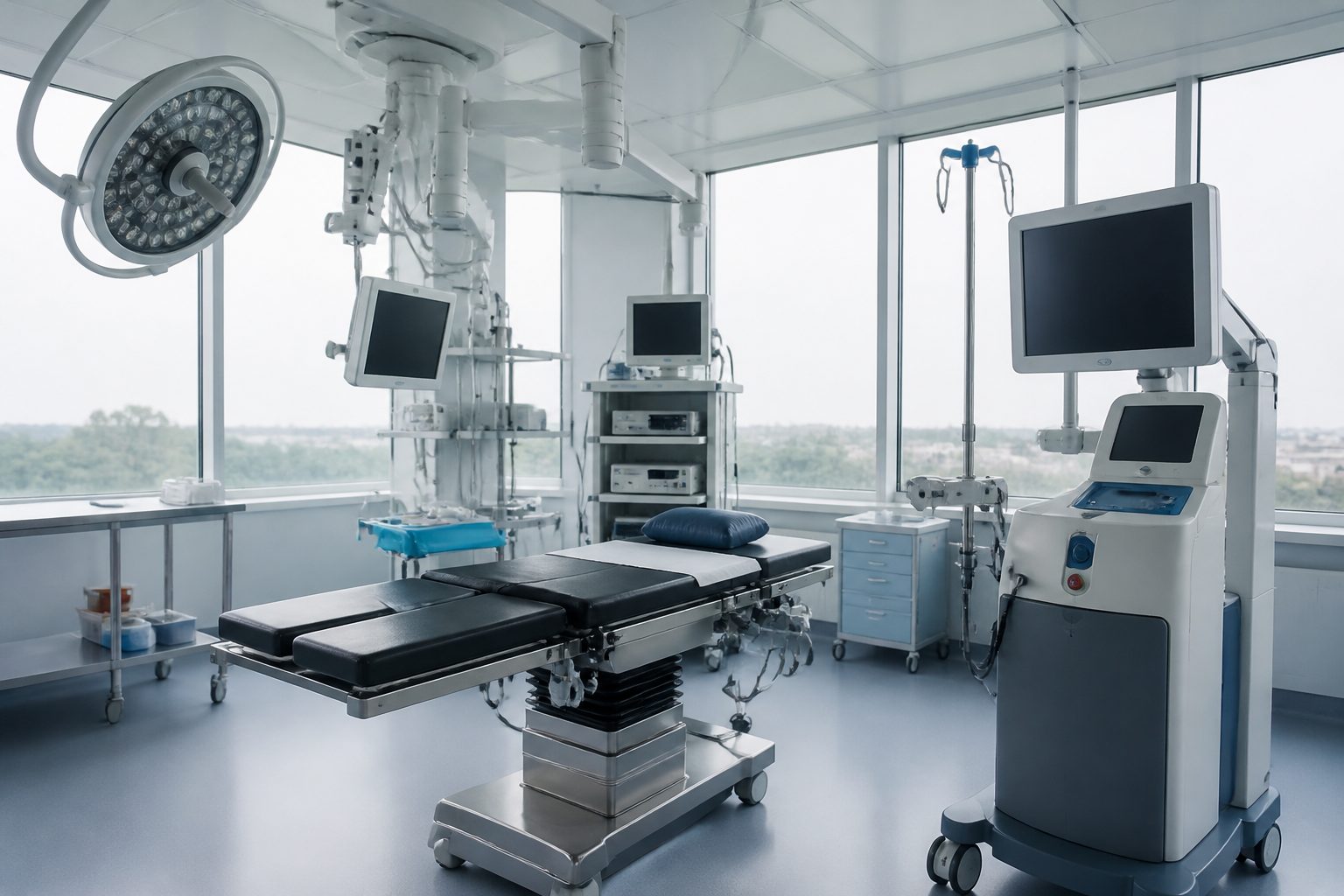
Kidney stone laser surgery is a common and effective way to remove stones in the urinary tract. This procedure is suitable for patients whose stones are too large or painful to pass naturally, or when other treatments have not worked.
The cost of kidney stone laser surgery varies widely around the world. In most countries, you can expect to pay between $1,200 and $6,500, depending on the hospital, surgeon, and type of technology used. This guide details the procedure, price breakdown by country, what’s included in the costs, and practical tips for patients.
What is kidney stone laser surgery?
Kidney stone laser surgery, also known as laser lithotripsy or ureteroscopy with laser fragmentation, is a minimally invasive procedure designed to treat stones that are too large or hard to pass naturally, or when other non-invasive treatments like shockwave lithotripsy (ESWL) are unsuitable. The procedure is performed by a urologist and involves the use of a thin, flexible or rigid scope (ureteroscope) that is inserted through the urethra, into the bladder, and then up into the ureter or kidney where the stone is located.
Once the stone is identified, a high-powered laser—most commonly a Holmium:YAG laser, though newer Thulium fiber lasers are sometimes used—is directed at the stone. The laser energy breaks the stone into tiny fragments, which can then be removed with a small basket or left to pass naturally in the urine. The procedure allows for precise targeting of stones with minimal trauma to surrounding tissues.
This method is especially preferred for stones located in the lower urinary tract (ureter) or within the kidney itself, particularly if the stone is too large for ESWL, is impacted, or if previous treatments have failed. The surgery is typically performed under general or spinal anesthesia, and patients are closely monitored throughout. Most patients experience quick recovery and can return home the same day or after one night in the hospital, depending on the complexity of the case and the presence of any complications.
Laser lithotripsy is widely available in developed countries such as the US, UK, Germany, and Japan, as well as in major medical tourism destinations like India, Thailand, and Turkey. The minimally invasive nature of the procedure means less pain, fewer complications, and a faster return to normal activities compared to open surgery. However, the success and safety of the procedure depend on the surgeon’s experience, the technology used, and the patient’s overall health.
Cost comparison by country
The price of kidney stone laser surgery depends on location, hospital type, and what’s included in the package. Below is a table summarising typical costs in different countries. Prices are for uncomplicated cases and include hospital charges, anesthesia, surgeon’s fees, and standard consumables.
| Country | Cost range (USD) | Inclusions |
|---|---|---|
| India | $1,200-$2,000 (₹1.0-1.7 lakh) | Pre-op tests, surgery, 1-2 days stay, standard meds |
| Pakistan | $1,400-$2,100 (PKR 400,000-600,000) | Surgery, anesthesia, 1 day in hospital |
| Bangladesh | $1,500-$2,300 (৳1.6-2.5 lakh) | Procedure, basic pre-op, hospital stay |
| Indonesia | $2,000-$3,500 (Rp 31-54 million) | Consult, surgery, anesthesia, 1-2 days stay |
| Philippines | $2,200-$3,200 (₱125,000-180,000) | Surgery, hospital, anesthesia, basic meds |
| Thailand | $2,800-$4,200 | International package: pre-op, surgery, 2 days |
| Turkey | $2,900-$4,500 | Consult, surgery, anesthesia, 1-2 days stay |
| United States | $5,000-$9,000 | Hospital, surgeon, anesthesia (without insurance) |
| UK | $4,500-$7,200 (£3,600-5,800) | Private hospital, consult, surgery, 1 night stay |
| Germany | $5,200-$8,000 (€4,700-7,200) | Pre-op, surgery, 1-2 days, basic meds |
What is included in the price?
The price you are quoted for kidney stone laser surgery generally covers a range of essential services and medical care, but the specific inclusions can vary by country, hospital, and whether you are a local or international patient. Most standard packages for a single, uncomplicated stone removal will typically include several core elements:
- Pre-operative assessments: This usually means basic laboratory blood and urine tests, as well as initial imaging studies such as an ultrasound, X-ray (KUB), or a non-contrast CT scan to locate the stone and evaluate kidney function.
- Professional fees: The costs for the urologist (surgeon) and the anesthesiologist are included. Their expertise, especially in high-volume centers, is a significant part of the overall fee.
- Operating room and laser equipment use: This covers the use of the surgical theater, all necessary sterile equipment, and the high-cost laser device (most commonly Holmium:YAG laser). The setup and maintenance of this technology contribute to the base price.
- Hospital room charges: Most packages cover a standard room for 1-2 days, which is typical for an uncomplicated procedure. The level of comfort (shared, private, or deluxe rooms) can vary by country and hospital tier.
- Standard medications and post-op care: Routine antibiotics, pain relief, IV fluids, and basic post-surgical observation are included. Nursing care and initial follow-up while in hospital are standard.
In medical tourism destinations such as India, Thailand, or Turkey, international patient packages often go further. They may include airport pick-up and drop-off, translation services, help with local SIM cards, and dedicated coordinators to assist with logistics and paperwork. Some even offer discounted rates for hotel stays or assistance booking accommodations for family members.
It is crucial to request a written breakdown of what is included from your chosen hospital. Some facilities may provide all-inclusive packages, while others may itemize every service. Always clarify whether taxes, service charges, and administrative fees are part of the quoted price to avoid surprises later. If you are traveling abroad, ask if assistance with visa letters and local transportation is provided as part of the package.
What is not included or can add to the cost?
While kidney stone laser surgery packages are often marketed as comprehensive, there are many potential costs that may not be covered in the initial quote. Understanding these exclusions is crucial, especially if you are budgeting for care abroad or have complex medical needs. Some of the most common additional expenses include:
- Advanced diagnostics: If your case requires specialized imaging such as CT urography, contrast-enhanced CT, or MRI scans, these are often charged separately. This is especially relevant for complex or recurrent stones.
- Pre-admission specialist consultations: Visits to cardiologists, pulmonologists, or other specialists for pre-surgical clearance are usually not included, particularly if you have underlying conditions.
- Extended hospital stay: If complications arise, such as infection, bleeding, or need for additional observation, you may be billed for extra nights in the hospital. Rates for upgraded rooms or ICU care are also additional.
- Medications for unrelated conditions: Routine post-operative medications are included, but drugs for chronic illnesses (e.g., diabetes, hypertension) or new unrelated issues are billed separately.
- Follow-up care: Outpatient visits after discharge, additional imaging, or laboratory tests for follow-up are rarely part of the standard package. In some countries, telemedicine follow-ups may incur extra fees.
- Special equipment: Certain cases require disposable ureteral stents, baskets, or advanced laser fibers, which may be charged as add-ons. Ask whether these are included in your quote.
- Multiple or complex stones: If you have several stones, large stones, or stones in difficult-to-access locations, you may need additional procedures or staged surgeries, each with its own cost.
- Travel and accommodation: Your own airfare, local transportation, hotel stays, and meals for yourself or accompanying family members are almost never included, even in international packages.
If you have significant health issues such as heart, lung, or bleeding disorders, you may require extra monitoring, ICU care, or specialized anesthesia, all of which add to the cost. Always request a detailed, itemized quote and clarify which services are included, which are optional, and what could trigger extra charges. This is especially important for international patients, as insurance coverage may not extend to all aspects of your care abroad. Being proactive about these questions will help you avoid financial surprises and allow you to plan your medical journey with confidence.
How to save money safely on kidney stone laser surgery
The most effective way to save is to compare hospitals and surgeons, not just by price but by quality and transparency. Look for hospitals with experience in urology and laser lithotripsy, preferably with international accreditation (such as JCI or NABH for India). Consider traveling to countries with lower costs, but ensure you factor in travel and recovery time.
- Choose hospitals with clear, inclusive package pricing
- Ask about discounts for self-paying or international patients
- Consider group medical travel organizers for bundled deals
- Book flights and accommodation well in advance
- Check if your insurance covers any part of the procedure abroad
Do not cut corners on pre-operative evaluation, surgeon credentials, or post-op care. Recovery and outcomes depend on quality, not just cost.
What drives the price of kidney stone laser surgery?
The cost of kidney stone laser surgery is influenced by a combination of medical, logistical, and geographic factors. Understanding these drivers can help you anticipate your total expenses and make informed choices about where to seek treatment. Here are the main factors that impact pricing:
- Hospital type and location: Private hospitals, especially those with international accreditation (like JCI), generally charge higher fees than public or government-run hospitals. In countries such as the US, UK, or Singapore, costs are higher due to labor, regulatory, and facility expenses. In contrast, countries like India, Turkey, and Thailand offer lower prices for similar quality, making them popular for medical tourism.
- Surgeon experience and team expertise: Urologists with advanced training, international credentials, or a high volume of procedures may charge premium fees. Experienced teams can reduce complication rates and improve outcomes, which can be worth the additional cost.
- Stone characteristics: The size, number, and location of stones matter. Larger, multiple, or hard-to-reach stones require more surgical time, specialized equipment, and may increase the risk of complications, all of which add to the cost. Complex cases may require staged procedures or additional disposables.
- Type of laser and technology: The technology used can influence the price. Holmium:YAG lasers are the standard, but newer Thulium fiber lasers and advanced digital scopes may cost more due to higher acquisition and maintenance costs. Some centers charge extra for use of premium devices or single-use fibers.
- Length of hospital stay and post-op care: Most uncomplicated cases require only a short stay, but any complications—such as infection, bleeding, or need for intensive monitoring—will prolong hospitalization and increase costs. The level of room chosen (shared, private, deluxe) also affects the bill.
Other factors can include regional cost of living, currency exchange rates (for international patients), and whether you need additional services like translation, airport transfers, or extended follow-up. Always discuss your individual case with the hospital and request a personalized, written estimate. If you have health insurance, check for pre-authorization requirements and clarify exactly what is covered—some insurers cover only a portion of the costs, especially for overseas procedures. Being thorough in your planning will help you avoid unexpected expenses and ensure a smooth surgical experience.
How to choose a hospital or surgeon
Selecting the right hospital and surgeon for kidney stone laser surgery is essential for both safety and value. Begin by researching hospitals that have a strong reputation for urology and a high volume of endourological procedures. In many countries, large private hospitals or specialized urology centers offer advanced technology and well-trained staff, but costs can vary widely.
- Experience and case volume: Look for hospitals and surgeons with extensive experience in laser lithotripsy. High patient volumes often correlate with better outcomes and lower complication rates. Ask how many similar procedures the surgeon performs annually.
- Modern technology: Ensure the facility has up-to-date endourology and laser equipment. Newer lasers (such as Thulium fiber) and digital ureteroscopes can improve precision and safety, though they may influence price.
- Surgeon credentials: Research the surgeon’s qualifications, board certifications, and training background. Surgeons trained in Western Europe, North America, or major Asian centers often have exposure to the latest techniques.
- Hospital accreditation: International certifications such as JCI (Joint Commission International), NABH (India), or ISO indicate adherence to high safety and quality standards.
- International patient services: If you are traveling from abroad, look for hospitals with dedicated international patient departments. Services such as visa assistance, translation, airport transfers, and care coordinators can make your experience smoother.
- Transparent pricing: The hospital should provide clear, written quotations that detail what is included and excluded. Avoid facilities that are vague about costs or unwilling to answer your questions.
To further ensure quality, read reviews from previous patients, especially those who traveled internationally. Independent patient testimonials can provide insight into the hospital’s care standards and customer service. Ask for references or contact details of former patients if possible. Reputable hospitals are usually willing to connect you with past clients.
Finally, communicate directly with the hospital’s international desk or patient coordinator. They should be responsive, knowledgeable, and able to address your questions about the procedure, recovery, and total expected costs. A good hospital will guide you through every step, from initial inquiry to post-operative follow-up.
Planning your trip for kidney stone laser surgery
Medical travel for kidney stone surgery requires careful planning. Here are practical steps:
- Obtain all your medical records, imaging, and lab results (preferably in English)
- Send records to your chosen hospital for evaluation before booking
- Confirm visa requirements and apply early
- Book travel to allow for pre-op appointments and a few days of recovery after discharge
- Arrange accommodation for yourself and any companions
- Plan for follow-up care in your home country, including suture removal or stent removal if needed
- Have a backup plan in case of travel delays or minor complications
Most patients can fly home within 4-7 days after surgery, but always check with your surgeon. Avoid heavy lifting and strenuous activity for at least a week.
Frequently asked questions
Is kidney stone laser surgery painful?
The procedure is performed under anesthesia, so you will not feel pain during surgery. Afterward, you may experience mild discomfort or burning while urinating, which usually improves within a few days.
How soon can I return to normal activities after surgery?
Most patients can resume light activities within 2-3 days. Avoid strenuous work, exercise, or heavy lifting for about a week. Your surgeon will give specific advice based on your recovery.
Will I need to stay in hospital overnight?
Many patients go home the same day, but some may need to stay one night for observation, especially if the procedure was complex or if you have other health conditions.
Are there risks or complications with laser lithotripsy?
Risks are generally low but can include bleeding, infection, injury to the urinary tract, or the need for a temporary stent. Most complications are treatable and uncommon in experienced hands.
What if the stones come back?
Kidney stones can recur, especially if the underlying cause isn’t addressed. Your doctor may recommend dietary changes, increased hydration, or medications to prevent future stones.
Related guides
Disclaimer: Prices and information in this article are indicative and may vary by hospital, case complexity, and individual needs. Please obtain a written quote from your chosen hospital and consult a qualified urologist before making any medical decisions.