
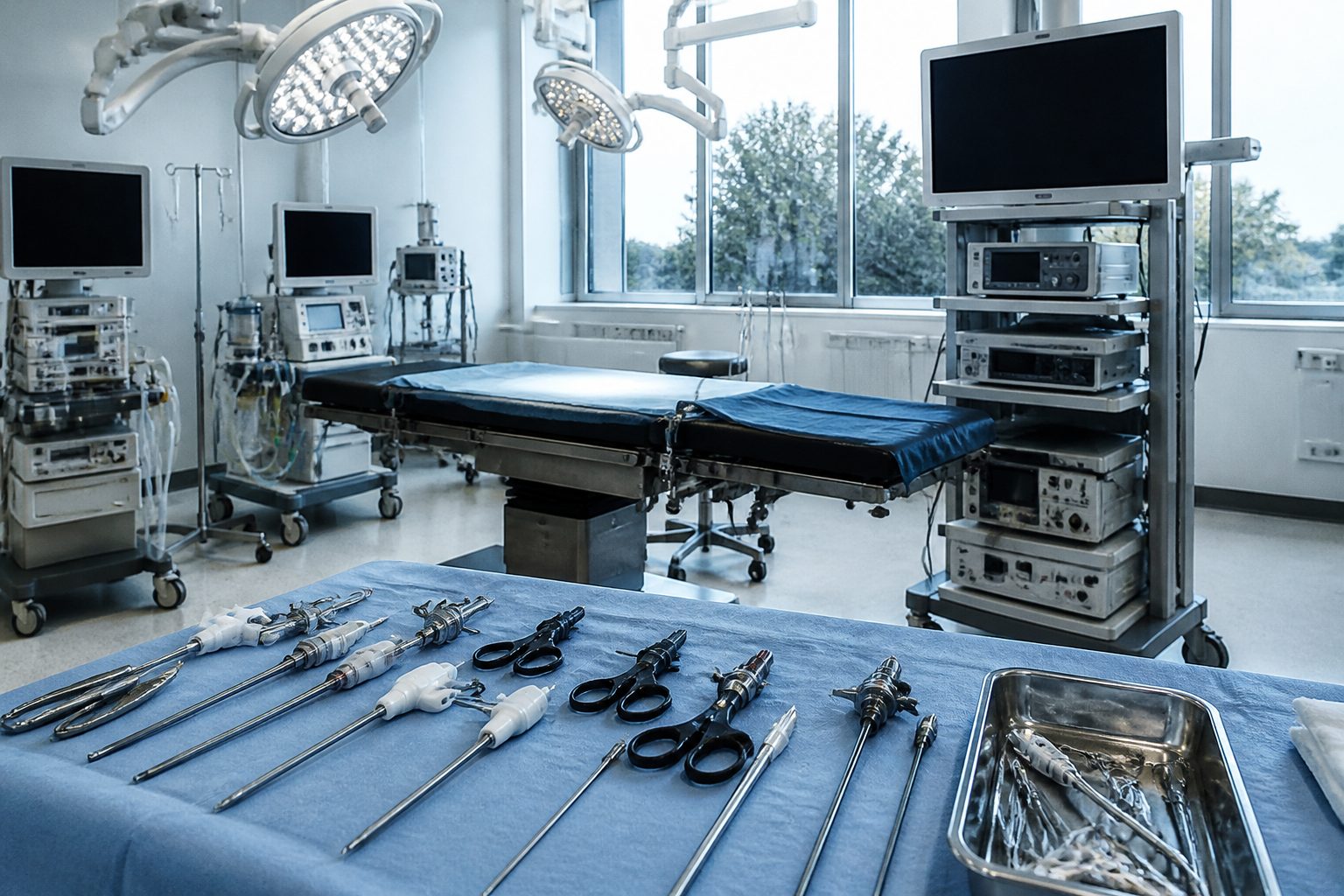
Gallbladder removal surgery, also called cholecystectomy, is a common procedure for patients with gallstones or gallbladder disease. For those comparing hospitals or considering treatment abroad, knowing the expected costs and process is crucial.
Costs for gallbladder removal range widely—from about $1,000 in India or Turkey to $8,000 or more in the US or UK. This guide explains each step of surgery, what’s included in the price, and how to make safe, cost-effective choices.
What is gallbladder removal surgery?
Gallbladder removal surgery, medically known as cholecystectomy, is a common operation performed to treat diseases of the gallbladder—a small, pear-shaped organ located beneath the liver that stores and concentrates bile. Bile helps digest fats, and the gallbladder releases it into the small intestine when needed. The most frequent reason for this surgery is the formation of gallstones, which can block the flow of bile and cause pain, infection, or inflammation. Other indications include gallbladder polyps, certain types of pancreatitis, and chronic gallbladder dysfunction.
Most cholecystectomies are performed using minimally invasive (laparoscopic) techniques. This involves making several small incisions in the abdomen, inserting a tiny camera and surgical instruments, and removing the gallbladder without the need for a large open wound. Laparoscopic surgery is associated with less pain, a shorter hospital stay, and faster recovery compared to open surgery. However, in about 5–10% of cases, open surgery is required due to severe inflammation, infection, scarring from previous procedures, or unusual anatomy. Open cholecystectomy involves a larger incision and a longer recovery period.
Doctors typically recommend gallbladder removal for patients who experience repeated episodes of gallstone attacks (biliary colic), acute or chronic cholecystitis (gallbladder inflammation), gallstone-induced pancreatitis, or complications such as jaundice or infection. In some regions, such as the UK and Australia, clinical guidelines emphasize the importance of confirming the diagnosis with imaging (ultrasound, CT, or MRI) before recommending surgery. For most people, living without a gallbladder is well tolerated, but some may notice changes in digestion, particularly when eating fatty or greasy foods. Adjusting your diet and gradually reintroducing different food types can help manage these changes. If you are considering gallbladder removal, your healthcare team will explain the procedure, outline the risks and benefits, and help you prepare for surgery and recovery.
Who needs gallbladder removal?
Gallbladder removal, also known as cholecystectomy, is typically recommended for patients who suffer from specific gallbladder-related conditions that cause significant discomfort or pose health risks. The most common indication is the presence of symptomatic gallstones, which can lead to episodes of biliary colic—sharp abdominal pain often accompanied by nausea and vomiting. These symptoms can be sporadic or recurrent, impacting quality of life and daily functioning.
- Symptomatic gallstones: When gallstones block the flow of bile, they can cause painful attacks and may lead to further complications if left untreated.
- Acute or chronic cholecystitis: Inflammation of the gallbladder, either sudden or ongoing, often results from gallstones and can cause severe pain, fever, and infection. Chronic cases may result in a thickened, scarred gallbladder, increasing the risk of complications.
- Gallstone pancreatitis: If a gallstone obstructs the pancreatic duct, it can trigger pancreatitis—a potentially life-threatening inflammation of the pancreas that often necessitates urgent gallbladder removal.
- Gallbladder polyps larger than 1 cm: Larger polyps carry a higher risk of becoming cancerous, so removal is considered a preventive measure.
- Gallbladder dysfunction: Some patients experience persistent symptoms due to a non-functioning gallbladder, even in the absence of stones. This can be diagnosed through specialized imaging and functional tests.
Doctors consider surgery when symptoms are severe, frequent, or lead to complications such as infection, jaundice, or pancreatitis. In some countries, like the United States and the UK, clinical guidelines recommend a watch-and-wait approach for asymptomatic gallstones, reserving surgery for high-risk scenarios such as sickle cell disease or immunosuppression. For patients with no symptoms, regular monitoring is usually advised unless imaging suggests a high risk of cancer or other complications. Cholecystectomy is not a standard treatment for gallbladder cancer or liver disease, but it may be part of a broader treatment plan for certain benign digestive disorders. If you experience repeated abdominal pain, digestive symptoms, or complications, consult a gastroenterologist or surgeon to determine if gallbladder removal is appropriate for your situation. Being proactive about symptom management and understanding your risk factors can help you make informed decisions about surgery.
Types of gallbladder removal surgery
There are several surgical techniques available for gallbladder removal, with the choice depending on the patient’s medical condition, the surgeon’s expertise, and the hospital’s resources. The two primary approaches are:
- Laparoscopic cholecystectomy: This is the most widely performed method worldwide, favored for its minimally invasive nature. Surgeons make several small incisions in the abdomen and use a camera (laparoscope) and specialized instruments to remove the gallbladder. This technique typically results in less postoperative pain, a shorter hospital stay (often less than 24 hours), minimal scarring, and a quicker return to daily activities. In countries like the United States, United Kingdom, and Australia, laparoscopic cholecystectomy is considered the gold standard, with over 90% of cases performed this way. It is also increasingly available in major hospitals across Asia, Europe, and Latin America.
- Open cholecystectomy: Required in about 5–10% of cases, this traditional method involves a single, larger incision under the right rib cage. Open surgery is usually reserved for patients with severe inflammation, extensive scarring from previous surgeries, abnormal anatomy, or when laparoscopic surgery cannot be safely completed. Recovery times are longer (typically 4–6 weeks), and there is a higher risk of wound complications and longer hospital stays.
Some advanced medical centers also offer single-incision laparoscopic surgery (SILS) or robotic-assisted cholecystectomy. These methods use either one small incision (often through the navel) or robotic arms controlled by the surgeon, potentially improving precision and cosmetic results. However, these techniques are less common, may not be covered by insurance, and can be significantly more expensive. The availability of these options varies by country and hospital, with higher adoption rates in private or specialized centers in the US, South Korea, and parts of Europe.
When deciding on the surgical approach, factors such as the patient’s age, overall health, body weight, previous abdominal surgeries, and the presence of infection or other complications are carefully considered. It’s important to discuss all available options with your surgeon and understand the risks, benefits, and costs associated with each technique before proceeding.
Step-by-step process: before, during, and after surgery
Here’s what most patients can expect:
- Preoperative assessment: Blood tests, ultrasound, and sometimes an MRI or CT scan help confirm the diagnosis and plan surgery. Patients meet with the surgeon and anesthetist to discuss risks and pre-surgery instructions.
- Hospital admission: Most arrive on the morning of surgery. Fasting is required for 6–8 hours beforehand. Consent forms are signed, and a final check is done.
- The surgery: Under general anesthesia, the gallbladder is removed—usually in 1 to 2 hours. Laparoscopic surgery involves 3–4 small cuts. Open surgery uses a larger incision below the ribs.
- Recovery in hospital: After monitoring in recovery, most laparoscopic patients stay one night. Open surgery patients may need 2–5 days.
- Going home: Patients are discharged with wound care instructions, prescriptions, and dietary advice. Walking is encouraged, but heavy lifting is restricted for 2–4 weeks.
- Follow-up: A review is usually scheduled after 7–14 days to check healing and discuss pathology results.
Each step may vary by hospital and country, so always confirm logistics in advance, especially if traveling for care.
What’s included in the price (and what’s not)
The total cost of gallbladder removal surgery can vary widely depending on the country, hospital, and type of procedure. When you receive a price quote, it’s essential to understand exactly what is included and what may incur additional charges. Most standard packages for cholecystectomy include the following:
- Surgeon’s and anesthetist’s fees: These cover the expertise of the surgical and anesthesia teams throughout the procedure.
- Operating room and nursing charges: Fees for the use of the operating theater, equipment, and nursing care during and immediately after surgery.
- Standard medications and consumables: Costs for drugs such as antibiotics, painkillers, and disposable surgical supplies used during the operation.
- Routine preoperative blood tests and imaging: Basic blood work and ultrasound or X-rays required to assess your suitability for surgery.
- One to two days of hospital stay: Most laparoscopic procedures require only an overnight stay, while open surgery may involve a longer admission.
- Follow-up consultation: Some hospitals include one post-operative visit to check your recovery and remove stitches if necessary.
However, it’s important to ask about potential extra costs, which can add significantly to your bill. These may include:
- Additional imaging: If complications arise or more detailed pictures are needed, advanced scans like MRI, CT, or ERCP may be required, often at extra cost.
- Treatment for unexpected complications: If you need further surgery, intensive care, or specialist consultations due to complications, these are typically not covered in the base price.
- Extra nights in hospital: If your recovery takes longer than expected, each additional night may be billed separately, especially in private hospitals.
- Special dietary requirements: Some hospitals charge for customized meal plans or nutritional supplements.
- Travel, accommodation, and insurance: For international patients, expenses for flights, local transportation, hotels, and medical insurance are almost never included in the surgical fee.
Costs can vary dramatically—ranging from $3,000–$10,000 USD in the United States, £2,500–£6,000 in the UK (private sector), and as low as $1,000–$3,000 in India or Thailand. Public health insurance may cover most or all costs in countries with universal healthcare, but private patients should always request a detailed, itemized written quote. Be sure to clarify what is and isn’t covered, ask about payment policies, and inquire about financial assistance or installment plans if needed. This will help you avoid unexpected expenses and plan your finances more effectively.
Gallbladder removal surgery costs by country
The cost of cholecystectomy varies significantly by region. The following table compares typical costs at private hospitals in several popular medical travel destinations and in the US/UK for self-pay patients. Public hospitals may be less expensive for local residents, but often have long waiting times or restrictions for international patients.
| Country | Typical cost (USD) | Local currency | Notes |
|---|---|---|---|
| India | $1,000–$2,500 | ₹83,000–2 lakh | Private, JCI/NABH-accredited hospitals, laparoscopic |
| Turkey | $1,500–$3,000 | ₺48,000–97,000 | Private hospitals, international services available |
| Thailand | $2,000–$4,000 | ฿70,000–140,000 | Major Bangkok/Phuket hospitals, English-speaking staff |
| Singapore | $4,500–$7,000 | S$6,000–9,400 | Private sector, highly regulated |
| United Arab Emirates | $3,000–$6,000 | AED 11,000–22,000 | Dubai/Abu Dhabi private hospitals |
| Mexico | $2,500–$5,000 | MX$42,000–84,000 | Popular with US/Canada patients, border cities |
| United States | $6,000–$12,000 | — | Private/self-pay, major cost variation by state |
| United Kingdom | $5,000–$8,000 | £4,000–6,400 | Private hospitals, self-pay or insurance |
| Philippines | $1,800–$3,200 | ₱100,000–178,000 | Manila/Cebu private hospitals |
| Malaysia | $2,200–$3,800 | RM10,000–17,000 | Kuala Lumpur, Penang; JCI-accredited options |
What drives the price
Several factors influence the cost of gallbladder removal:
- Country and hospital: Costs are lower in India, Turkey, and Southeast Asia, higher in the US, UK, and Singapore.
- Surgical approach: Laparoscopic surgery is usually less expensive and has a shorter hospital stay than open surgery. Robotic or single-incision techniques may cost more.
- Complexity: Complicated cases (infection, prior surgery, obesity) may require extra resources, longer surgery, or intensive care.
- Hospital stay: Extra nights in hospital or intensive care can add significantly to the bill.
- What’s included: Packages may or may not cover imaging, medications, or follow-up visits.
- Accreditation: JCI or NABH-accredited hospitals may charge more but often provide higher international standards.
Always compare itemised quotes and ask for clarification on what is covered.
Hidden costs and how to save safely
Patients should be aware of potential extra costs not included in advertised prices. These may include:
- Preoperative imaging (MRI, ERCP, advanced blood tests)
- Treatment for complications (e.g., bile duct injury, infection)
- Additional medications or dietary supplements
- Travel and accommodation for you and any companion
- Insurance (medical travel or surgical)
- Unplanned extra nights in hospital
To avoid surprises:
- Request a detailed written quote before booking
- Clarify what happens if complications arise
- Consider a hospital with international patient services
- Ask about refund or rescheduling policies
- Bring all relevant medical records and test results
Choosing a hospital with clear pricing and good communication can reduce both costs and stress.
How to choose a hospital or surgeon
When selecting where to have gallbladder removal, consider the following:
- Accreditation: Look for JCI, NABH, or equivalent accreditation for safety and quality.
- Experience: Choose a hospital or surgeon with a high volume of minimally invasive gallbladder surgeries.
- International patient services: Check for English-speaking staff, visa assistance, and airport transfers.
- Transparent pricing: Request a detailed quote and ask about package inclusions.
- Postoperative care: Ensure there is a clear follow-up plan, including care if complications occur.
- Location: Consider travel time, climate, and local accommodation options for recovery.
Reading patient reviews and consulting with your local doctor before booking can help ensure you make a safe, informed choice.
Planning your trip for surgery abroad
Patients traveling for gallbladder removal should plan carefully:
- Arrange a pre-surgery video consultation to review your case and confirm suitability.
- Bring all previous imaging, blood test results, and a summary of your medical history.
- Arrive at least 1–2 days before surgery for preoperative checks.
- Plan to stay locally for 7–10 days after surgery to allow for follow-up and initial recovery.
- Book flexible travel in case your recovery is slower than expected.
- If traveling alone, arrange for someone to assist you for the first few days after discharge.
Many hospitals offer bundled packages for international patients, including airport transfers, accommodation, and translation services. Confirm in advance what is included and have emergency contact details handy.
Recovery and aftercare
Recovery after gallbladder removal depends on the type of surgery performed and the patient’s overall health. Most people who undergo laparoscopic cholecystectomy experience a relatively quick and straightforward recovery. Patients are usually encouraged to walk and move around the same day as surgery, which helps reduce the risk of blood clots and promotes healing. Light meals can often be resumed within 24 hours, and most individuals can return to work and normal daily activities within 1–2 weeks. Open cholecystectomy, on the other hand, involves a larger incision and more tissue disruption, so recovery may take 4–6 weeks, with a longer hospital stay and a greater need for assistance at home.
Aftercare is crucial for a smooth and complication-free recovery. Your surgeon or nurse will provide specific instructions, which may include:
- Keep incision sites clean and dry: Proper wound care minimizes the risk of infection. You may be advised to avoid swimming or soaking in baths until stitches are removed and wounds are fully healed.
- Avoid heavy lifting: For 2–4 weeks after surgery, refrain from lifting objects heavier than 10 pounds (about 5 kg) to prevent strain on your abdominal muscles and incision sites.
- Gradual return to normal diet: Start with light, easily digestible foods and reintroduce fatty or spicy foods slowly. Some people may experience temporary diarrhea or bloating as their digestive system adjusts. In most cases, long-term dietary restrictions are unnecessary, but a balanced diet with moderate fat intake is recommended.
- Take prescribed medications: Use painkillers and antibiotics as directed to manage discomfort and prevent infection. If you have concerns about side effects, contact your healthcare provider.
- Monitor for signs of infection: Watch for fever, increasing redness, swelling, pus, or persistent pain at the incision sites, and seek medical attention if these occur.
In some countries, such as the UK and Australia, patients are offered follow-up appointments within 2–4 weeks to check healing and discuss any lingering symptoms. If you notice persistent digestive issues—such as chronic diarrhea, indigestion, or intolerance to certain foods—bring these up during your follow-up visit, as they may require further evaluation or dietary guidance. Many hospitals provide contact numbers for post-discharge support, so don’t hesitate to reach out if you have questions or concerns. With proper care and attention, most patients recover fully and return to their usual lifestyle within a few weeks after gallbladder removal.
Frequently asked questions
Is gallbladder removal always done laparoscopically?
Most cholecystectomies are performed laparoscopically, which is less invasive and offers a quicker recovery. However, open surgery may be needed in complex cases, such as severe inflammation, scarring, or unexpected findings during the procedure.
How long will I need to stay in the hospital?
Patients undergoing laparoscopic surgery typically stay one night in the hospital. Open surgery or complications may require a stay of two to five days. Always check with your hospital for their standard practice and discharge criteria.
Can I travel soon after gallbladder removal?
Most patients can travel by car or plane within a week of laparoscopic surgery, provided there are no complications. After open surgery, waiting two weeks or more is advised. Discuss your travel plans with your surgeon before booking return tickets.
Will I need to follow a special diet after surgery?
Most patients can resume a normal diet within a few days of surgery. Some experience temporary digestive changes, especially with fatty foods. Gradually reintroduce normal foods and stay hydrated. Consult your doctor if you have ongoing symptoms.
What are the main risks of gallbladder removal?
Complications are uncommon but can include infection, bleeding, injury to the bile duct or nearby organs, and blood clots. Choosing an experienced surgical team and accredited hospital reduces these risks. Always discuss risks with your doctor in advance.
Related guides
Disclaimer: All prices above are indicative and can vary by patient case, hospital, and country. Always request a detailed written quote and consult a qualified doctor before making any medical decisions.