
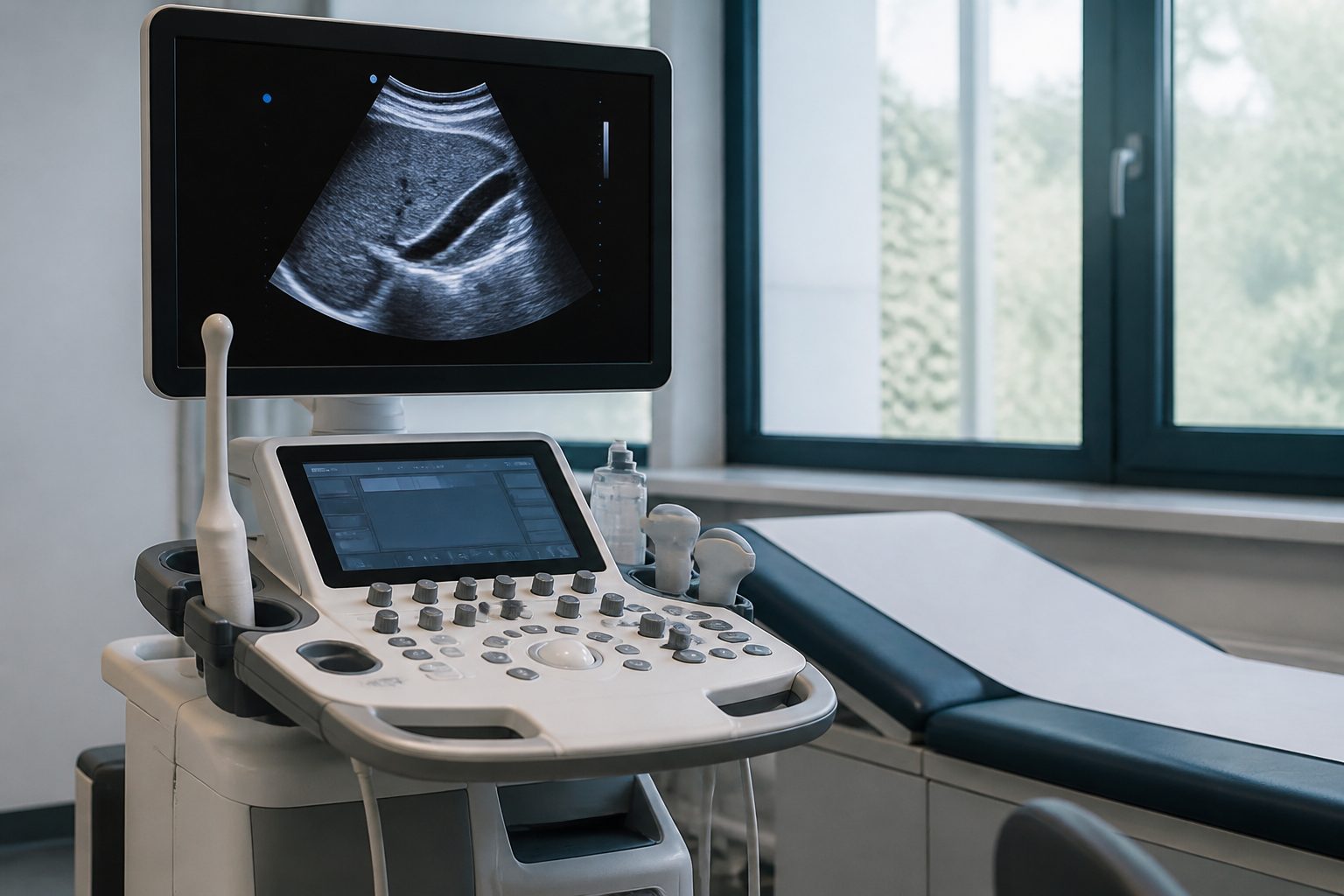
Patients with fatty liver disease and their families often wonder what treatment will cost, where care is most affordable, and what is included in these expenses. This guide compares fatty liver disease treatment costs worldwide and explains what you get for your money.
Expect to pay anywhere from $120 in India for initial diagnosis and follow-up to $2,000 or more in the US for comprehensive care. Prices depend on the country, type of hospital, and the complexity of your condition.
What fatty liver disease treatment includes
Fatty liver disease (hepatic steatosis) is increasingly common, especially in countries with rising rates of obesity and diabetes. Treatment is primarily medical and lifestyle-based, as most cases are managed without surgery. The standard treatment pathway includes:
- Initial consultation with a gastroenterologist or hepatologist
- Diagnostic tests: blood work (liver function tests, viral markers), liver ultrasound, and sometimes FibroScan or MRI
- Lifestyle advice: diet, exercise, weight management counseling
- Medications (if indicated): vitamin E, insulin sensitizers, or drugs for associated conditions
- Regular follow-up visits and repeat tests
Most patients do not require hospitalization. Costs increase if there are complications, such as advanced fibrosis, cirrhosis, or if inpatient care is needed for related conditions.
Fatty liver disease treatment costs: Country comparison
Treatment expenses vary by country, hospital type, and the need for advanced diagnostics. Here is a comparison of average costs for a typical course of outpatient management, including consultation, initial blood tests, abdominal ultrasound, and two follow-up visits. Prices are for self-paying international patients at reputable private hospitals or clinics.
| Country | Total cost (USD) | What’s included | Notes |
|---|---|---|---|
| India | $120–$250 (₹10,000–21,000) | Consultations, blood tests, ultrasound, dietician session, 2 follow-ups | Major cities; add $60–120 for FibroScan or MRI |
| Pakistan | $140–$230 (PKR 40,000–65,000) | Consultations, basic labs, ultrasound, follow-ups | Best rates in Karachi and Lahore |
| Bangladesh | $100–$180 (BDT 11,000–20,000) | Consultation, standard tests, ultrasound | Dhaka; advanced imaging extra |
| Indonesia | $200–$350 (IDR 3–5.5 million) | Specialist consult, tests, ultrasound, nutritionist | Jakarta, Surabaya |
| Philippines | $180–$350 (PHP 10,000–19,000) | Consultation, labs, imaging, 1–2 follow-ups | Metro Manila; private hospitals |
| Thailand | $250–$400 (THB 8,500–13,500) | Consult, basic workup, ultrasound, diet, follow-up | Bangkok; international clinics |
| Turkey | $300–$550 (TRY 9,500–17,500) | Consult, comprehensive labs, ultrasound, dietician | Istanbul, Ankara; JCI-accredited centers |
| United Arab Emirates | $350–$700 (AED 1,300–2,600) | Specialist, full labs, ultrasound, diet plan, 2 follow-ups | Dubai, Abu Dhabi |
| United Kingdom | $800–$1,500 (£650–£1,200) | Consultation, full blood panel, imaging, dietician | Private sector; NHS covers most for residents |
| United States | $1,200–$2,000 | Initial consult, tests, ultrasound, follow-up | Without insurance; major city rates |
| Germany | $1,000–$1,800 (€950–1,700) | Consult, labs, imaging, dietician, follow-up | Private clinics; insurance may cover part |
| Singapore | $600–$1,000 (SGD 800–1,350) | Specialist, bloods, ultrasound, advice, follow-up | Private hospitals |
| Australia | $700–$1,200 (AUD 1,100–1,900) | Consult, labs, imaging, dietician | Private sector; public system for citizens/residents |
What is and isn’t included in the quoted price
Most advertised prices for fatty liver disease treatment cover the basics: initial specialist consultation, a standard liver function test panel, abdominal ultrasound, and one or two follow-up appointments. In some hospitals, a session with a dietician or nutritionist is included. Additional or optional costs may include:
- Advanced imaging (FibroScan, MRI, CT scan)
- Specialist blood tests (viral hepatitis, autoimmune markers)
- Medication (if prescribed)
- Management of complications (hospital admission, procedures)
- Lifestyle program fees (structured weight loss clinics)
- Translation or international patient services
If you have insurance, check what is covered. Many plans do not fully reimburse dietician visits or advanced imaging unless medically justified.
Hidden costs and what to ask in advance
When planning for fatty liver disease treatment, it’s essential to look beyond the headline prices advertised by hospitals and clinics. Many patients are surprised by hidden costs that can significantly increase their total bill. To avoid unexpected expenses, always request a detailed, written estimate that itemizes every anticipated charge. This transparency is especially important when seeking treatment abroad, where billing practices and inclusions may differ from your home country.
- Are follow-up visits included, or billed separately? Many clinics charge separately for each appointment, so clarify how many follow-ups are needed and whether they are part of the initial package.
- How much for additional tests if recommended? Basic blood tests or ultrasounds may be included in a standard package, but advanced imaging (like FibroScan or MRI), liver biopsy, or specialized panels can add hundreds to thousands of dollars, especially in Western countries.
- Are there administration or medical file fees? Some hospitals, especially in Europe or the Middle East, may charge for opening a file, processing paperwork, or providing medical reports in English or other languages.
- Is medication cost included in the quoted package? Initial treatment packages often exclude prescription medication, which can be a recurring cost. In the US and Australia, drug prices are higher, while in India or Turkey, generics are much more affordable.
- Will interpretation/translation services cost extra? International patients often need interpreters. Some hospitals in Thailand or Dubai include this for free, but others may charge per hour or per visit.
Beyond medical fees, factor in travel, accommodation, and daily expenses, especially if you are traveling for care. In countries like India or Thailand, hotels and local transport are relatively inexpensive, but in Singapore or Western Europe, these can be substantial. Also, if your local doctor requires you to repeat tests or scans upon returning home, this can add to your overall costs. Always ask about the validity and acceptance of test results between countries. By clarifying these points in advance, you can avoid surprises and plan a realistic budget for your fatty liver disease care.
How to save on fatty liver disease treatment safely
Managing fatty liver disease doesn’t have to be prohibitively expensive, especially if you take advantage of cost-saving strategies that don’t compromise your health. First, consider seeking your initial workup and expert advice at a reputable, multi-specialty hospital in countries known for affordable, high-quality care—such as India, Bangladesh, or Pakistan. These countries often offer internationally accredited hospitals with English-speaking staff, and the cost of consultations, imaging, and lab tests can be a fraction of what you’d pay in North America, Europe, or Australia.
- Choose a reputable multi-specialty hospital in a country with lower costs: Look for hospitals with good reviews and international accreditation. They often offer comprehensive packages that include consultation, basic tests, and sometimes even airport pickup.
- Use telemedicine for follow-up visits: Many hospitals now offer secure video consultations, allowing you to maintain contact with your specialist without the expense or hassle of travel. This is especially useful for reviewing test results or adjusting medications.
- Bring recent lab results from your home country: If you have had recent blood tests or scans, bring copies (preferably in English) to your appointment abroad. This can help avoid unnecessary repeat testing, saving both time and money.
- Ask about group nutrition or lifestyle sessions: Group counseling is often more affordable than one-on-one sessions, and many hospitals in Asia and Eastern Europe offer these as part of their wellness programs.
- Inquire about package deals for check-ups: Some hospitals in Turkey, Thailand, and India offer bundled health check packages that include liver assessment, general labs, and specialist consultation at a discounted rate compared to paying for each service individually.
While it’s tempting to cut corners, never skip essential tests or follow-up visits, as early detection and management are key to preventing progression to more serious (and costly) liver conditions. If you have insurance, check what aspects of your care are covered, especially if you plan to get follow-up locally. By combining smart choices with early intervention, you can keep costs manageable without compromising the quality of your fatty liver disease treatment.
What drives the price of fatty liver disease care
The cost of managing fatty liver disease is influenced by a range of factors, many of which are specific to your location, the type of healthcare facility, and your individual health profile. Understanding these variables can help you anticipate expenses and make informed choices.
- Country and city: Treatment in major cities or high-income countries (like the US, UK, Singapore, or Australia) is usually more expensive due to higher labor, facility, and administrative costs. In contrast, countries like India, Thailand, or Turkey offer similar quality at lower prices, especially in second-tier cities.
- Hospital type: Internationally accredited or private hospitals charge more than local clinics. While local clinics in countries like Egypt or Vietnam may offer very low prices, private hospitals often provide better facilities, shorter wait times, and English-speaking staff, which can be important for international patients.
- Level of specialist involvement: Seeing a senior hepatologist or gastroenterologist will cost more than consulting a general practitioner. In some countries, a specialist consultation can cost 2–4 times as much as a GP visit.
- Diagnostic complexity: The more advanced or comprehensive your diagnostic workup, the higher your bill. Basic tests (liver enzymes, ultrasound) are relatively inexpensive, but advanced imaging (FibroScan, MRI), liver biopsies, or genetic testing can add hundreds or thousands of dollars—especially in Western countries or private hospitals.
- Follow-up frequency: The number of follow-up visits required will affect your total cost. Patients with early-stage fatty liver may need only annual reviews, while those with diabetes, obesity, or other metabolic issues often require more frequent monitoring and additional tests, further increasing expenses.
Other factors such as insurance coverage, the need for translation services, and whether medications are included in the treatment package can also impact your final bill. By understanding these drivers, you can better compare options and choose the most cost-effective care for your situation.
How to choose a hospital or clinic
Choosing the right hospital or clinic for fatty liver disease treatment is crucial for both your health outcomes and your budget. Start by researching facilities with a strong track record in hepatology or gastroenterology. Look for hospitals that have dedicated departments and a multidisciplinary team, as this ensures access to a range of specialists if your condition is complicated by diabetes, obesity, or other metabolic issues.
- Medical expertise: Top hospitals in countries like India, Thailand, Turkey, and Singapore often have internationally trained hepatologists and access to the latest diagnostic tools. In Western countries, university-affiliated centers may offer the most advanced care.
- International patient services: If you’re traveling for care, check whether the hospital provides visa assistance, airport transfers, translation, and help with medical documentation. In places like Dubai and Bangkok, many hospitals have dedicated international patient coordinators.
- Cost transparency: Always choose providers willing to give a detailed, written cost estimate before you commit. This helps you avoid unpleasant surprises and allows you to compare different hospitals on a like-for-like basis.
- Accreditation: Look for international accreditation such as Joint Commission International (JCI) or national bodies like NABH in India. Accreditation is a sign of quality standards and patient safety.
- Location: Consider the ease and cost of travel from your home country. Proximity can save on travel expenses and make follow-up visits more convenient. Also, check if the hospital is located in a city with good infrastructure and accommodation options.
For most patients, outpatient care at a reputable, high-volume center provides the best combination of expertise and value. If you have complex needs, a multidisciplinary hospital with integrated care is preferable. Don’t hesitate to ask for patient testimonials or reviews, and consult with your home doctor for recommendations. Taking these steps will help ensure you receive high-quality care at a price you can afford.
Planning your trip for fatty liver disease care
International patients should plan carefully to minimize stress and avoid unexpected costs:
- Book appointments in advance and confirm all required documents.
- Bring a summary of your medical history and previous test results, translated into English if needed.
- Allow at least 3–5 days in the destination city for initial workup, review, and follow-up with the doctor.
- Ask about telemedicine options for later follow-ups to reduce travel expenses.
- Check visa requirements, especially for longer stays or multiple visits.
- Arrange accommodation close to the hospital for convenience.
- If you have special dietary needs, inform your hotel and the hospital in advance.
If you have underlying conditions like diabetes or hypertension, let the hospital know so that your care can be coordinated across specialties.
The bottom line: What to expect and how to budget
The total cost of fatty liver disease treatment can vary dramatically depending on where you seek care and the complexity of your condition. In countries such as India, Bangladesh, and Egypt, basic diagnostic workups and initial consultations may cost as little as $100–$300 USD, while the same services in the US, UK, or Australia can easily exceed $1,000–$2,000 USD. Outpatient care is the norm for most patients, involving consultations, blood tests, ultrasounds, and lifestyle counseling. However, if your disease is more advanced—requiring a liver biopsy, FibroScan, MRI, or management of complications like cirrhosis or diabetes—costs can escalate quickly, sometimes reaching several thousand dollars per year.
When budgeting, remember that the total expense goes beyond the first visit. You’ll need to account for follow-up appointments (which may be monthly or quarterly), laboratory monitoring, prescription medications (such as vitamin E or diabetes medications), and ongoing lifestyle support, such as dietitian consultations. In some countries, national health insurance may partially cover these costs, but in others, you may be responsible for the full amount. Always ask for a written, itemized estimate from your provider, and clarify exactly what is included—medications, all tests, follow-up visits, and any administrative fees.
For international patients, factor in travel, accommodation, and potential repeat tests in your home country. If you are considering medical tourism, research package deals that bundle consultations, tests, and sometimes even airport transfers or hotel stays. Ultimately, the most cost-effective investment is proactive management: early diagnosis, regular monitoring, and consistent lifestyle changes can prevent costly complications later. By understanding the full scope of expenses and planning ahead, you can ensure both your liver health and your financial well-being.
Frequently asked questions
How much does fatty liver treatment cost in India?
In India, a typical outpatient package—including specialist consultation, liver function tests, abdominal ultrasound, and two follow-up visits—costs $120–$250 (₹10,000–21,000). Advanced imaging or specialized tests may add $60–120. Costs are higher in major private hospitals compared to local clinics.
Is fatty liver disease treatment covered by insurance?
Coverage varies widely. Most private insurance plans cover initial consultations and standard tests, but may not pay for nutritionist sessions or advanced imaging unless clearly indicated. Always check your policy and ask for pre-authorization if possible.
What happens if fatty liver disease is not treated?
If left unmanaged, fatty liver disease can progress to inflammation (steatohepatitis), fibrosis, and even cirrhosis. Early intervention through lifestyle change and medical monitoring is essential to prevent serious complications and higher costs later on.
Do I need to stay in the hospital for fatty liver treatment?
Most patients do not require hospitalization. Fatty liver disease is usually managed on an outpatient basis. Admission may be needed only for severe complications or if you have other serious health issues requiring close monitoring.
How often will I need follow-up visits?
Typically, two to three follow-up visits are recommended in the first year after diagnosis, with repeat blood tests and possibly imaging. The exact schedule depends on your health status and how well lifestyle changes are working.
Related guides
Disclaimer: Prices are indicative and can vary by hospital, city, and individual health status. Always get a detailed written quote and consult a qualified doctor for advice specific to your case.