
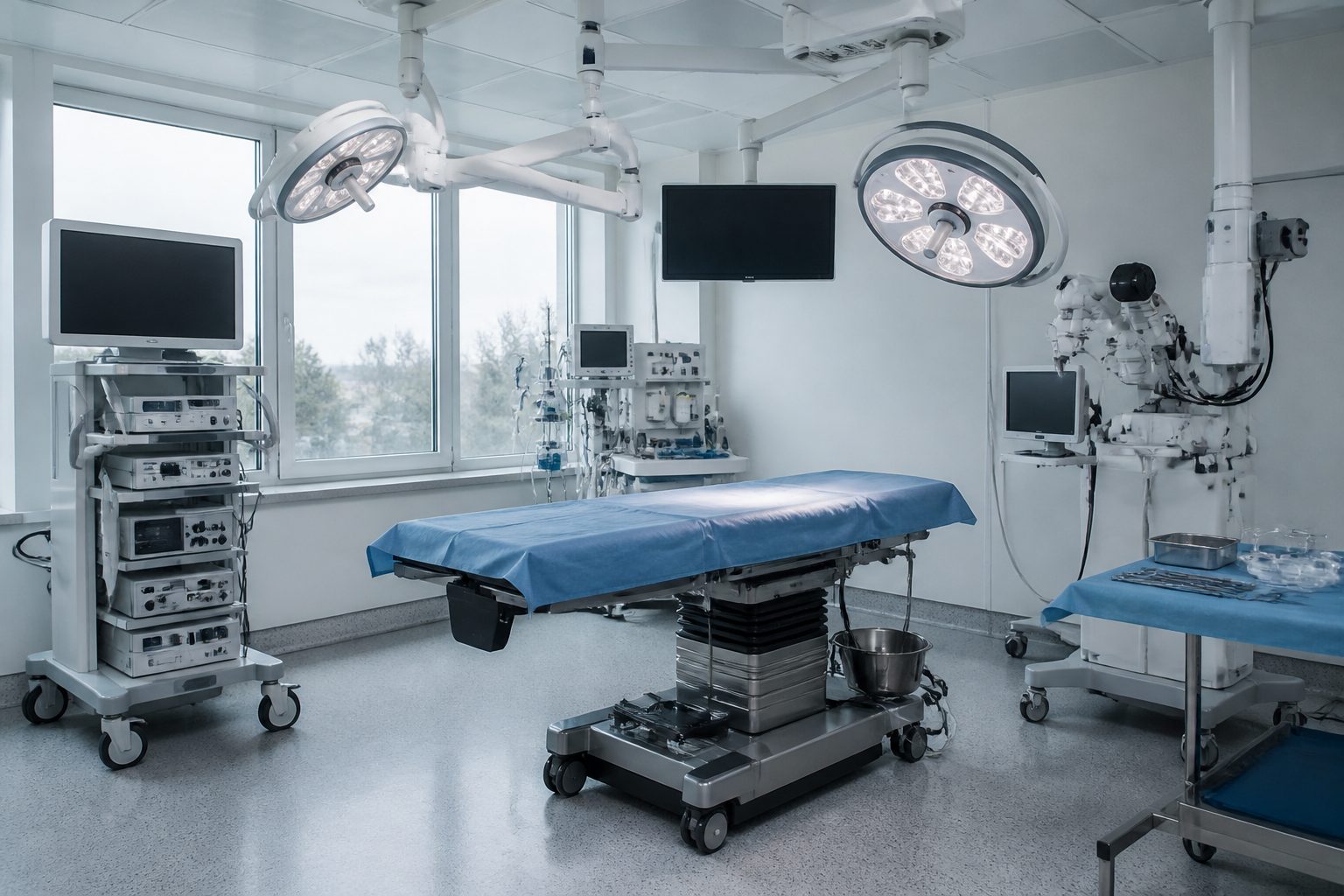
Gallstone removal is a common procedure, and many patients seek treatment abroad for lower costs or faster access. If you’re considering gallstone treatment outside your home country, you’ll find that prices, quality, and what’s included can vary widely.
This guide explains how to find safe, affordable gallstone care overseas. We compare costs in popular countries, outline what’s typically included, and highlight key points to help you plan with confidence.
What gallstone treatment involves
Gallstones are hardened deposits in the gallbladder that can cause pain, digestive issues, and sometimes infection. The standard treatment for symptomatic gallstones is cholecystectomy—surgical removal of the gallbladder. Most procedures today are done laparoscopically (keyhole surgery), which means faster recovery and shorter hospital stays compared to open surgery.
Some mild cases may be managed with medication or dietary changes, but surgery is usually recommended if stones cause symptoms. In rare cases, endoscopic or non-surgical options may be considered. This guide focuses on surgical gallstone removal, as it’s the most common and definitive treatment for most patients seeking care abroad.
How much does gallstone surgery cost in different countries?
Gallstone surgery prices vary greatly depending on where you go. The cost depends on the country, hospital, surgeon’s fees, type of surgery, length of stay, and what’s included in the package. Below is a comparison of typical price ranges for laparoscopic cholecystectomy (the most common procedure) in leading medical travel destinations and major Western countries.
| Country | Typical cost (USD) | Local currency | Inclusions |
|---|---|---|---|
| India | $1,500-$3,000 | ₹1.2-2.5 lakh | Surgeon, anesthesia, hospital stay, standard tests |
| Thailand | $3,000-$5,000 | ฿110,000-180,000 | All-inclusive packages common |
| Turkey | $2,000-$4,000 | ₺65,000-130,000 | Hospital, surgeon, basic aftercare |
| Mexico | $2,800-$5,500 | MXN 48,000-95,000 | Hospital, surgeon, basic aftercare |
| UAE | $4,000-$7,000 | AED 14,500-25,500 | Hospital, surgeon, anesthesia |
| Malaysia | $2,500-$4,500 | MYR 11,000-20,000 | Comprehensive packages available |
| United States | $8,000-$18,000 | USD | Varies, often excludes pre-op tests |
| United Kingdom | $7,000-$12,000 | £5,400-9,200 | Hospital, surgeon, some aftercare |
| Germany | $7,000-$11,000 | €6,500-10,000 | Hospital, surgeon, standard care |
What’s included in the price (and what’s not)
When considering gallstone surgery abroad, it’s essential to understand exactly what your quoted price covers—and what it doesn’t. In most popular medical tourism destinations, such as India, Thailand, or Turkey, the base price for gallstone removal (often laparoscopic cholecystectomy) typically bundles several core services. These usually include the surgeon’s fee, anesthesia, use of the operating room, basic pre-operative blood tests, and a standard hospital stay (usually one to three nights). Many international hospitals also offer packages that include airport pickup, translation services, and a follow-up consultation before you return home, making the process smoother for foreign patients.
However, there are important exclusions to watch for. Extended hospital stays due to complications, advanced imaging (such as MRI or CT scans), and treatment for unrelated medical issues are commonly billed separately. Medications beyond the standard post-surgical painkillers or antibiotics may incur additional charges. Flights, hotels, and meals outside the hospital are almost never included, and you’ll need to budget for these yourself. Some facilities offer premium packages with upgraded rooms, private nursing, or special dietary options, but these come at a higher price.
Before committing, always ask for a detailed, itemized breakdown of costs. Clarify which services are included in the package and which are not, and request written confirmation. This will help you avoid surprises and ensure you’re comparing offers accurately. If you require special accommodations, have pre-existing conditions, or anticipate needing extra care, discuss these upfront so you can budget appropriately and avoid unexpected expenses.
Hidden costs and how to avoid them
While the advertised price for gallstone surgery abroad may seem straightforward, hidden costs can quickly add up if you’re not careful. These often arise from unexpected medical needs, such as complications during or after surgery, which may require extra nights in the hospital, additional medications, or even further procedures. If you have existing health conditions like diabetes, heart disease, or obesity, you may need more extensive pre-operative testing or closer post-operative monitoring, both of which can increase your final bill.
Other potential hidden costs include charges for upgraded hospital rooms, special dietary requirements, or extra support for family members who accompany you. Some hospitals may also bill separately for advanced imaging (such as MRI or CT scans) if these are needed to assess complex gallstones or complications. While airport transfers, translation services, and aftercare visits are sometimes bundled into premium packages, they are often excluded from standard offers.
To minimize the risk of unexpected expenses, take these practical steps:
- Request a comprehensive written quote: Insist on a detailed, itemized estimate that specifies what is included (and what is not) in your package. This should cover all potential scenarios, including costs for extra nights, additional tests, and post-operative complications.
- Clarify charges for non-surgical treatments: Ask about the cost of any procedures or therapies you might need if your condition changes or if complications arise.
- Confirm support services: If you need airport transfers, translation, or aftercare, verify whether these are included or require an extra fee.
- Plan for contingencies: Set aside a contingency fund to cover unforeseen expenses, and consider purchasing travel insurance that covers medical complications and extended stays.
By being proactive and thorough in your planning, you can avoid most hidden costs and ensure your overseas gallstone treatment remains affordable and stress-free.
How to choose a hospital or clinic abroad
Look for hospitals with experience in treating international patients, especially for digestive and hepatobiliary surgery. Consider facilities accredited by recognized bodies such as JCI (Joint Commission International) or national equivalents (like NABH in India). High patient volumes for laparoscopic gallstone surgery are a good sign of expertise.
Read reviews from other international patients, focusing on safety, communication, and how well the staff handle complications. If possible, select a hospital that provides a dedicated international patient coordinator who can help with logistics, translation, and paperwork. Make sure the lead surgeon is a board-certified gastroenterologist or general surgeon with experience in gallbladder procedures.
What drives the price of gallstone treatment?
The overall cost of gallstone treatment abroad is influenced by a combination of factors, some of which are specific to the country or facility you choose. First and foremost, the country’s general healthcare pricing structure plays a significant role. For example, countries like India, Mexico, and Turkey typically offer lower base prices due to lower labor and facility costs compared to the US, Canada, or Western Europe. Within each country, the reputation and accreditation of the hospital also matter; internationally accredited hospitals or those located in major cities or tourist hubs often charge more, but they tend to provide better facilities, English-speaking staff, and specialized international patient services.
The surgeon’s qualifications, experience, and track record with gallstone procedures are another key factor—highly experienced surgeons or those with Western certifications may command higher fees. The type of surgery you need will also impact the price. Minimally invasive (laparoscopic) gallbladder removal is standard in most destinations and is generally less expensive due to shorter hospital stays and faster recovery. However, if you require open surgery—perhaps due to complications or complex gallstones—the cost will rise, as this approach involves longer operating times and extended hospitalization.
Additional cost drivers include the complexity of your case (for example, if you have large or multiple stones, or underlying conditions that need extra monitoring), the need for advanced diagnostic imaging, and the level of aftercare required. Some hospitals offer standard and premium packages, with the latter including private rooms, extra amenities, and personalized services. Ultimately, your final bill will depend on a mix of these elements, so it’s important to get a detailed estimate and discuss your specific needs with your chosen provider.
How to save money safely
Saving money on gallstone surgery abroad is entirely possible, but it’s crucial to prioritize your safety and health in the process. Many patients reduce their costs by 60-80% by choosing countries with lower healthcare costs, such as India, Turkey, Malaysia, or Thailand. However, the cheapest option isn’t always the best—focus on hospitals with a strong reputation for serving international patients and those with recognized accreditations like JCI or ISO.
- Research hospital credentials: Look for facilities with international accreditation and a dedicated international patient department. These centers are more likely to have English-speaking staff, transparent pricing, and established protocols for foreign patients.
- Book in advance and confirm inclusions: Secure your procedure well ahead of time and request a detailed quote that covers all aspects of care—surgeon’s fees, anesthesia, tests, hospital stay, and follow-up. This helps you avoid last-minute price hikes or hidden fees.
- Travel during off-peak times: Consider scheduling your surgery during the local low season, when hospitals may offer discounts or promotional packages. Flights and accommodation are often cheaper during these periods as well.
- Use reputable facilitators: Medical travel agencies can help you navigate the process, but always verify their credentials and check independent reviews. Look for facilitators who provide transparent pricing and support throughout your journey.
- Bundle travel and accommodation: Some hospitals partner with local hotels or provide bundled packages for patients and their families. Group travel can also help reduce costs, especially for accommodation and airport transfers.
Finally, always factor in the cost of travel insurance that covers medical complications, and arrange for follow-up care at home if needed. By taking these practical steps, you can achieve significant savings without compromising on quality or safety.
Planning your trip: timing, recovery, and logistics
Most patients need to arrive at least 1-2 days before surgery for pre-op assessment. Hospital stay after laparoscopic gallbladder removal is typically 1-3 nights, with another 3-7 days recommended in-country for recovery before flying home. Open surgery requires a longer stay. Always allow extra time for unforeseen delays or complications.
Arrange for someone to accompany you if possible, especially if you have other medical conditions. Check visa requirements, local COVID-19 rules, and whether you need special vaccinations. Bring all your medical records, a list of medications, and emergency contact details. Ask the hospital if they provide airport transfers and assistance with local accommodation.
The bottom line
Choosing to undergo gallstone surgery abroad can offer significant financial relief and access to quality care, but it requires careful research and planning. Many countries—such as India, Thailand, Turkey, and Mexico—have developed robust medical tourism sectors, with internationally accredited hospitals and surgeons who often train in Western countries. The cost savings can be substantial, with procedures often priced 60-80% lower than in the United States or Western Europe. However, the affordability of treatment should always be balanced with considerations of safety, quality, and aftercare.
To ensure a positive outcome, it’s crucial to compare not just base prices, but also what’s included in the quoted package. Some hospitals offer all-inclusive deals covering surgery, hospital stay, pre-operative tests, and airport transfers, while others may charge separately for each service. Investigate the facility’s reputation, surgeon credentials, and patient reviews before making a decision. Seek hospitals with international accreditation, such as JCI or ISO certification, and verify the surgeon’s experience with gallstone procedures.
Effective planning involves understanding travel logistics, recovery timelines, and the availability of follow-up care, both abroad and at home. By preparing thoroughly, asking the right questions, and choosing a reputable provider, you can confidently pursue affordable gallstone treatment overseas, saving thousands of dollars without compromising your health or safety.
Frequently asked questions
How long will I need to stay abroad for gallstone surgery?
Most patients spend 1-3 nights in hospital and stay locally for 5-10 days to recover before flying home. Your exact timeline depends on your health, the type of surgery, and your doctor’s advice. Always allow some buffer in case you need extra time for recovery or follow-up tests.
Is laparoscopic (keyhole) surgery available in all countries?
Yes, laparoscopic cholecystectomy is the standard in most medical travel destinations. It’s less invasive, has a shorter recovery, and is widely available in India, Thailand, Turkey, Mexico, Malaysia, and the UAE, as well as Western countries.
Will my insurance cover gallstone surgery abroad?
Most standard health insurance plans do not cover elective surgery overseas, unless you have special international coverage. Some travel or international health insurance policies may reimburse part of the cost if you need emergency surgery abroad. Check with your insurer before booking.
What happens if there are complications after surgery?
Reputable hospitals have protocols for managing complications, and you may need to stay longer or undergo additional treatment. Ask your hospital in advance about their procedures for complications, costs for extra care, and how they coordinate with your home doctor for follow-up.
Can I combine gallstone treatment with a holiday?
Many patients do combine treatment with a short holiday, but you should plan for enough rest and avoid strenuous activity after surgery. It’s best to schedule sightseeing before your procedure or allow extra days for gentle recovery before traveling or touring extensively.
Related guides
Disclaimer: Prices and information in this guide are indicative and may vary by individual case, hospital, and country. Always get a written quote and consult a qualified doctor before making medical or travel decisions.