
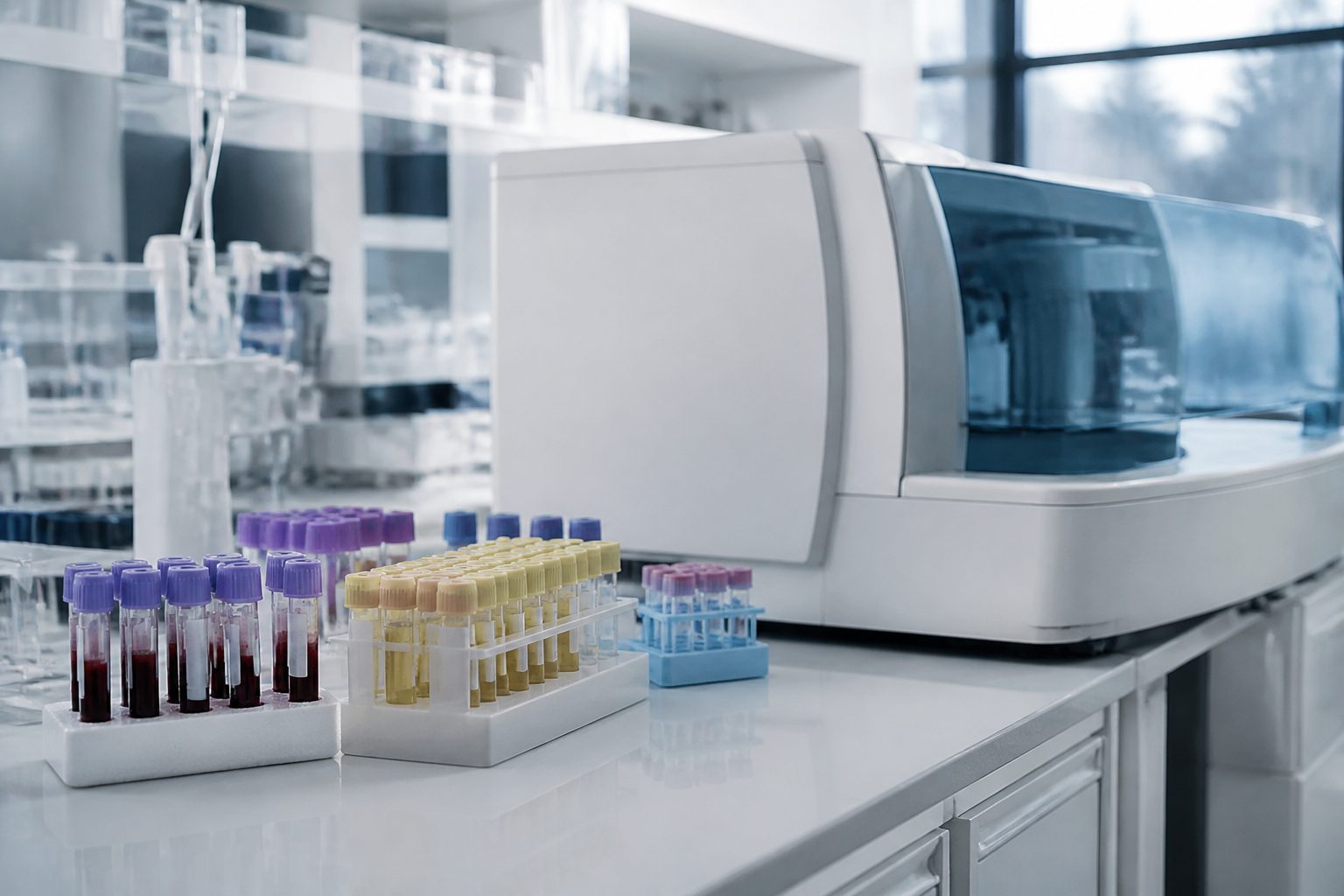
This guide explains the main tests used to check kidney health, who needs them, and how much they typically cost in major medical destinations. It’s for patients and families comparing hospitals or planning kidney, urology, or digestive care.
Most common nephrology tests—like blood creatinine, urine microalbumin, and kidney ultrasound—cost between $10 and $400 in India and Southeast Asia, or $50 to $800 in the United States. Prices vary by country, facility, and what is included.
What are common nephrology tests?
Nephrology, the branch of medicine that deals with the kidneys, relies on a variety of diagnostic tests to evaluate kidney function, detect disease, and monitor ongoing conditions. These tests are crucial for identifying issues such as chronic kidney disease (CKD), acute kidney injury, urinary tract disorders, and metabolic imbalances. The most frequently performed nephrology tests include:
- Blood tests: These are fundamental in assessing how well the kidneys are filtering waste. Common blood tests include creatinine (to estimate kidney filtration efficiency), blood urea nitrogen (BUN, which measures the amount of nitrogen in the blood from the waste product urea), and estimated glomerular filtration rate (eGFR, a calculated value indicating overall kidney function). Electrolyte panels (sodium, potassium, chloride, bicarbonate) help monitor the body’s fluid and mineral balance, which is often disrupted in kidney disease.
- Urine tests: Urinalysis screens for protein, blood, glucose, and other substances in the urine that may indicate kidney or urinary tract problems. Urine microalbumin tests are especially important in diabetes to detect early kidney damage. A 24-hour urine protein test quantifies protein loss over a day, which can signal significant kidney dysfunction. Urine cultures are performed to identify infections in the urinary tract.
- Imaging: Imaging tests provide a visual assessment of the kidneys, bladder, and urinary tract. Renal ultrasound is non-invasive and commonly used to detect structural abnormalities, cysts, or obstructions. CT scans and MRIs offer more detailed images, useful in complex cases or when tumors are suspected. Intravenous pyelogram (IVP) uses contrast dye and X-rays to highlight urinary tract structures and is less commonly performed today but still used in some regions.
- Other procedures: In certain cases, more specialized procedures are necessary. Cystoscopy involves inserting a small camera through the urethra to visualize the bladder and lower urinary tract. Urodynamic studies assess how well the bladder and urethra store and release urine, and are often used for patients with incontinence or neurological conditions. Kidney biopsy, where a small tissue sample is taken for microscopic analysis, is reserved for unclear diagnoses or to assess disease severity.
These tests are typically recommended for patients with symptoms such as swelling, changes in urination, unexplained high blood pressure, diabetes, or a family history of kidney disease. They are also routinely performed before surgeries that may impact kidney function, or as part of ongoing monitoring in patients with chronic illnesses affecting the kidneys.
How much do nephrology tests cost in major countries?
Costs for nephrology tests vary widely by country, facility type, and whether you are paying out-of-pocket or through insurance. Below is a comparison of typical price ranges for common tests in India, Southeast Asia, the Middle East, the US, UK, and Europe (private sector costs). Prices are per test unless stated otherwise. All amounts are in USD, with local currency equivalents for India.
| Test | India | Thailand | Malaysia | UAE | US | UK (Private) | Germany |
|---|---|---|---|---|---|---|---|
| Blood creatinine | $4–$10 (₹330–830) | $7–$18 | $5–$15 | $12–$30 | $40–$120 | $25–$70 | $30–$80 |
| eGFR (with blood test) | $7–$15 (₹580–1,250) | $12–$25 | $10–$18 | $15–$35 | $50–$130 | $30–$90 | $35–$90 |
| Urinalysis (routine) | $3–$8 (₹250–660) | $5–$12 | $4–$10 | $8–$20 | $30–$70 | $20–$60 | $22–$55 |
| Urine microalbumin | $6–$15 (₹500–1,250) | $10–$22 | $8–$16 | $15–$40 | $40–$120 | $30–$80 | $35–$85 |
| 24-hour urine protein | $10–$20 (₹830–1,660) | $15–$30 | $12–$22 | $18–$45 | $60–$150 | $35–$90 | $40–$95 |
| Renal ultrasound | $20–$45 (₹1,660–3,750) | $35–$80 | $28–$60 | $45–$120 | $150–$400 | $120–$300 | $110–$270 |
| CT kidney (non-contrast) | $65–$180 (₹5,400–15,000) | $100–$220 | $80–$180 | $150–$350 | $350–$800 | $300–$650 | $250–$600 |
| MRI kidney | $110–$350 (₹9,200–29,000) | $180–$400 | $150–$350 | $250–$650 | $600–$1,200 | $500–$1,000 | $480–$1,100 |
| Cystoscopy (diagnostic) | $120–$270 (₹10,000–22,500) | $180–$350 | $130–$250 | $220–$450 | $800–$1,800 | $700–$1,400 | $750–$1,500 |
| Kidney biopsy | $180–$520 (₹15,000–43,000) | $350–$700 | $250–$500 | $400–$1,100 | $1,500–$3,500 | $1,200–$2,800 | $1,300–$2,900 |
What is included in the price?
Understanding exactly what is covered in the quoted price for nephrology tests is essential for avoiding unexpected expenses. In most cases, the prices advertised or quoted by clinics and hospitals refer to individual tests, rather than comprehensive check-up packages. Here’s what you can typically expect:
In countries like India, Southeast Asia, and parts of the Middle East, the listed price usually includes the test itself, all necessary materials (such as collection tubes and reagents), and a basic written report. This means you pay a single fee for the laboratory analysis and receive the results, often within a day or two. Doctor consultations and any follow-up care are almost always billed separately.
In contrast, in the US and Western Europe, the base price for a test may only cover the technical laboratory work. Additional charges often apply for doctor interpretation, use of hospital or clinic facilities, and advanced reporting or analysis. For example, a blood creatinine test might be inexpensive, but the total bill could increase substantially once facility fees and physician charges are added.
Imaging tests, such as renal ultrasound, CT scan, or MRI, generally include the scan itself and a radiologist’s written interpretation. However, if contrast agents are required (especially in CT or MRI), there is often a significant extra charge. Sedation, anesthesia, or urgent/after-hours services can also increase the cost. For more complex procedures, like cystoscopy or kidney biopsy, the base price may or may not include anesthesia, day care (short-term observation), or pathology analysis of tissue samples. Always confirm with the provider whether these components are included, as they can add hundreds or even thousands of dollars to the final bill in some countries.
For patients who need regular monitoring, such as those with diabetes or high blood pressure, bundled packages that combine multiple tests (for example, a kidney function panel) can offer better value and simplify the process. Always ask for a detailed breakdown of what is included in the price, and clarify any potential extra charges before booking your tests.
Hidden costs and extra charges
While the advertised price for nephrology tests often covers only the basic procedure, patients should be aware of several hidden costs and extra charges that can significantly increase the total expense. These additional fees can vary by country, facility, and individual circumstances, so it’s important to clarify all potential costs upfront. Common extra charges include:
- Consultation fees: The cost of seeing a nephrologist or urologist before and after testing is usually billed separately. In India or Southeast Asia, a consultation may range from $5–$50, while in the US or Western Europe, fees can be $100–$300 or more per visit. These consultations are necessary for test ordering, result interpretation, and treatment planning.
- Follow-up tests: If initial results are abnormal or inconclusive, repeat or additional tests may be needed. For example, a positive urine protein result could lead to further imaging or a kidney biopsy, each with its own cost.
- Sample collection: Many labs offer home collection of blood or urine samples, which is convenient but may incur a surcharge, especially for urgent or after-hours services, or if you live outside the main city limits.
- Specialist interpretation: Advanced tests, such as kidney biopsies or urodynamic studies, require analysis by expert pathologists or urologists. This interpretive fee is often separate from the test itself and can be substantial, particularly in the US or Europe.
- Medication or treatment: If a test uncovers a problem, you may need prescription medications, further imaging, or interventional procedures. These are not included in the original test price and can add considerable cost, especially for chronic or complex conditions.
Other potential hidden costs include hospital facility fees (for procedures done in a hospital setting), charges for anesthesia or sedation, and report delivery fees (for expedited or couriered results). To avoid surprises, always request a detailed written quote before proceeding, and ask specifically what is included in the price—this is particularly important for imaging studies and invasive procedures where bundled pricing may not cover all necessary services.
How to save safely on nephrology testing
The safest way to save is by choosing reputable hospitals or accredited diagnostic centers in countries with lower prices and good standards. In India, Thailand, and Malaysia, JCI- or NABL-accredited labs and hospitals offer reliable results at a fraction of US/European prices. Consider:
- Test packages: Many centers bundle kidney, liver, and metabolic tests into discounted panels, costing 20–40% less than individual tests.
- Public vs. private: Public hospitals are cheaper, but may have longer waits and limited English support. Private centers are faster and more predictable for international patients.
- Book directly: Direct booking with the hospital laboratory or reputable diagnostic chains can save on agent commissions and add-ons.
- Plan ahead: If traveling for surgery or a procedure, get your tests done at the same hospital—this can reduce duplication and costs.
Do not compromise on lab quality or accreditation for the sake of saving a few dollars. Poor quality testing can lead to misdiagnosis or repeat tests.
How to choose where to get tested
Look for hospitals or laboratories with recognized accreditation (JCI, NABH, CAP, NABL, ISO). For most nephrology tests, large multi-specialty hospitals, well-known diagnostic chains, and specialty kidney/urology hospitals are all suitable. Consider the following:
- Accreditation: Ensures reliable results and international standards.
- Turnaround time: Most kidney blood/urine tests report within a few hours to 1 day. Imaging and biopsy may take longer.
- Language and support: International patient desks are available in many hospitals in India, Thailand, Malaysia, and the UAE.
- Cost transparency: Choose providers who give clear written quotes and itemized bills.
If you have a chronic kidney condition, diabetes, or hypertension, it’s best to establish care with a nephrologist who can interpret results in context, rather than just relying on the lab report.
Tips for international or medical travelers
For patients traveling abroad for kidney, urology, or digestive care, careful planning of nephrology tests can help minimize both costs and inconvenience. Medical tourism is increasingly popular in countries like India, Thailand, Turkey, and the UAE, where high-quality care is available at a fraction of Western prices. To make the most of your trip, consider the following practical steps:
- Pre-arrange tests: Contact your destination hospital or clinic well in advance to schedule the required nephrology tests. Many leading facilities offer online booking, package deals, and secure payment options. This ensures you get timely appointments and can compare costs ahead of travel.
- Bring records: Carry all relevant medical records, including previous test results, current medications, and a summary letter from your local doctor. This helps the care team avoid unnecessary repeat testing and ensures continuity of care.
- Timing: Some nephrology tests, such as 24-hour urine collection or fasting blood tests, require special preparation. Ask your provider for detailed instructions before you travel, so you can plan accordingly and avoid delays.
- Insurance: If you have international health insurance, verify in advance which tests and treatments are covered, what documentation is required, and how to file claims. Some insurers have direct billing arrangements with major hospitals in popular medical tourism destinations.
- Follow-up: Plan for how you will receive your test results and any necessary consultations after returning home. Many international hospitals now offer telemedicine or secure online portals for follow-up discussions, which can save a return trip and ensure you get timely advice.
To further save time and money, try to coordinate nephrology testing with other scheduled procedures, such as endoscopy, colonoscopy, or specialist consultations. This approach can reduce travel expenses, streamline appointments, and make the most of your visit abroad. Always request a detailed quote and confirmation of what is included in your package before you travel, and check for any additional fees for urgent or after-hours services.
What drives the price of nephrology tests?
The cost of nephrology tests can vary widely depending on a range of factors that influence both the base price and additional charges. Understanding what drives these costs can help patients make informed decisions and potentially save money, especially when tests are needed regularly or as part of ongoing disease management. Key factors include:
- Location: Geographic region plays a major role in test pricing. In countries like India, Thailand, and the Philippines, basic blood or urine tests may cost as little as $2–$10, while in the United States or Western Europe, the same tests can range from $20–$100 or more. Imaging studies are also significantly cheaper in South Asia and the Middle East compared to Western nations, often due to differences in labor costs, regulatory requirements, and insurance systems.
- Facility type: The setting where you get tested impacts the price. Large private hospitals and well-known diagnostic chains tend to charge more, reflecting higher overhead and perceived service quality. Public hospitals, government clinics, and smaller independent labs often offer lower prices, though sometimes with longer wait times or fewer amenities.
- Accreditation: Accredited laboratories are subject to stricter quality controls and may use more advanced equipment, leading to higher fees. However, these labs often provide more reliable results and faster turnaround, which can be crucial for complex or urgent cases.
- Test complexity: Simple blood or urine tests (like creatinine or urinalysis) are usually inexpensive. More advanced tests, such as urine microalbumin, 24-hour urine protein, or specialized electrolyte panels, incur extra costs. Imaging tests (ultrasound, CT, MRI) and invasive procedures (biopsy, cystoscopy) are typically the most expensive, sometimes costing hundreds or even thousands of dollars in high-income countries.
- Urgency and add-ons: If you need same-day results, urgent sample collection, or after-hours service, expect to pay a premium. Additional services like home sample collection, sedation for imaging, or the use of contrast agents in CT/MRI scans also increase the final bill.
Patients who require multiple tests or regular monitoring (such as those with diabetes, hypertension, or chronic kidney disease) may benefit from bulk testing panels or advance booking, which can lower per-test costs. Comparing prices between facilities, checking for package deals, and asking about included services can further help manage expenses.
Frequently asked questions
What is the difference between a kidney function test and a full nephrology panel?
A kidney function test usually refers to a set of blood and urine tests (creatinine, BUN, eGFR, urinalysis) that check how well your kidneys are working. A full nephrology panel may include additional tests like electrolytes, urine microalbumin, 24-hour urine protein, and imaging for a broader assessment.
Do I need a doctor’s referral for nephrology tests?
In most countries, basic blood and urine tests can be ordered without a referral, but imaging and invasive tests (like ultrasound, CT, cystoscopy) usually require a doctor’s order. It’s best to consult a doctor for test selection and interpretation.
Are test results accepted internationally if I travel for care?
Tests from JCI- or NABL-accredited hospitals and labs in India, Thailand, and Malaysia are widely accepted by international doctors. Always bring original reports and, if possible, request English-language versions for smooth coordination.
How often should kidney function be tested if I have diabetes or high blood pressure?
Most guidelines recommend annual kidney function testing for patients with diabetes or hypertension. Your doctor may advise more frequent monitoring if you have abnormal results or existing kidney issues.
Can I get nephrology tests as part of a health check-up package?
Yes, most large hospitals and diagnostic chains offer health check packages that include kidney, liver, and metabolic tests. These packages are usually more cost-effective than individual tests and can be tailored to your age and risk factors.
Related guides
Disclaimer: Prices in this article are indicative and may vary by hospital, city, and individual case. Always request a written quote and consult a qualified doctor for advice on which tests you need and how to interpret results.