
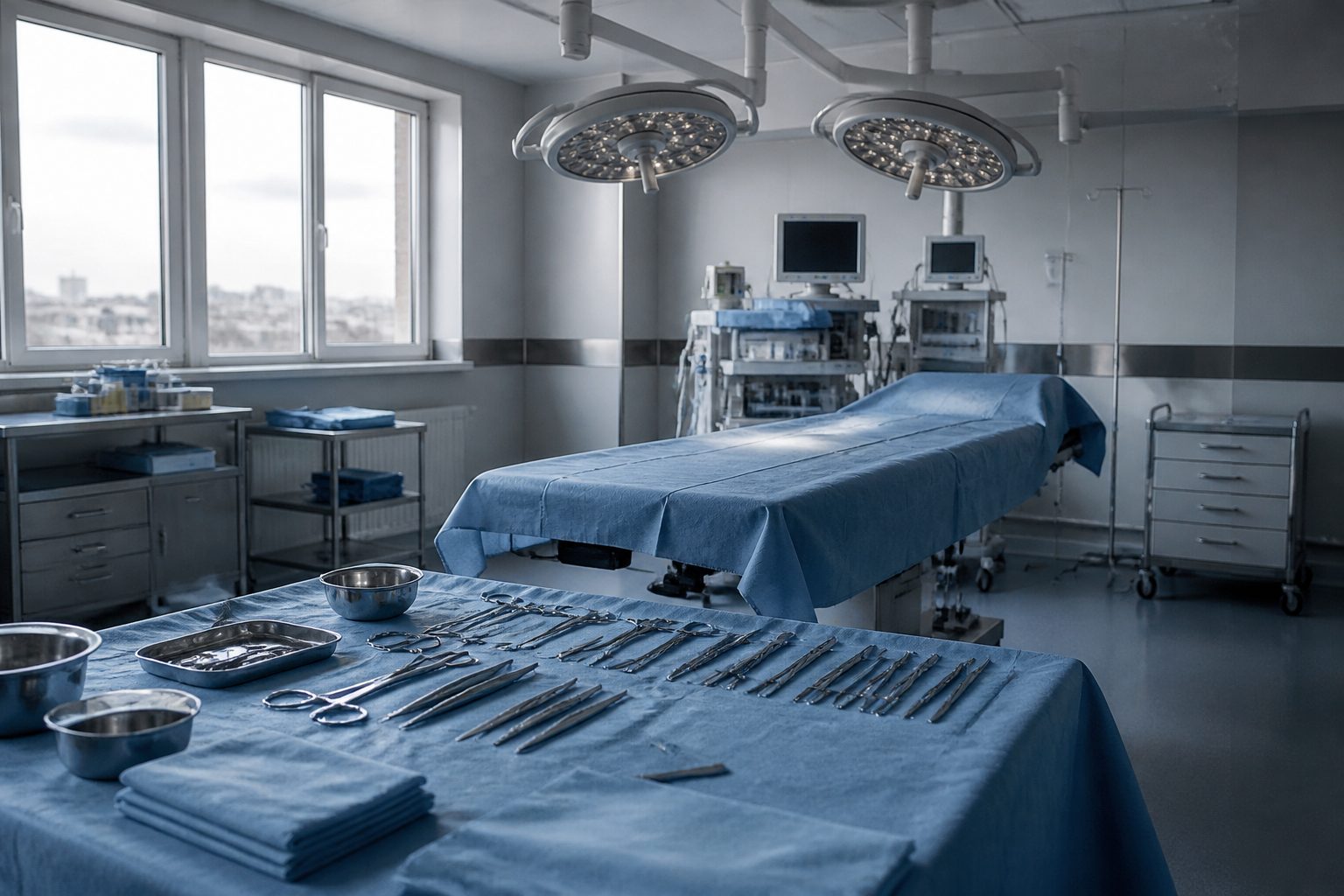
Hernia surgery is a common procedure for repairing weaknesses or openings in the abdominal wall. Patients and families looking for affordable, high-quality care will find that costs vary dramatically depending on where the surgery is performed, the technique used, and what’s included in the quoted price.
Expect to pay anywhere from $1,000 in India or parts of Southeast Asia, to over $8,000 in the United States for a standard hernia repair. This guide explains what drives these differences and what to watch for when comparing options across countries.
What hernia surgery involves
A hernia occurs when an internal organ or tissue bulges through a weak spot in the muscle or surrounding tissue wall, most commonly in the abdomen or groin. Surgery is the only definitive treatment for most hernias. The procedure can be performed using open or laparoscopic (keyhole) techniques, with or without mesh reinforcement. Most hernia surgeries are elective and scheduled, though emergency repairs are needed if the hernia becomes trapped or strangulated.
For most patients, hernia repair is a straightforward, low-risk operation performed under general or regional anesthesia. The choice between open and laparoscopic repair depends on hernia type, size, patient health, and surgeon expertise. Recovery is typically quick, with many patients going home the same day or after one night in hospital.
Hernia surgery cost comparison by country
The price of hernia repair varies widely worldwide. Factors include local labor and facility costs, surgeon fees, type of hospital, and whether the price includes anesthesia, mesh, hospital stay, and follow-up care. The following table shows typical price ranges for routine, uncomplicated inguinal or umbilical hernia repairs at reputable private hospitals in leading medical travel destinations and the US, UK, and EU. These figures are for self-paying international patients and do not include insurance or government health program rates.
| Country | Open repair | Laparoscopic repair | Included in price |
|---|---|---|---|
| India | $1,000–$2,000 (₹83,000–1.7 lakh) | $1,800–$3,200 (₹1.5–2.7 lakh) | Surgery, mesh, anesthesia, 1–2 days hospital |
| Thailand | $2,000–$3,000 (฿70,000–105,000) | $3,200–$4,500 (฿112,000–158,000) | Surgery, mesh, anesthesia, 1–2 nights |
| Turkey | $2,000–$3,200 (₺65,000–104,000) | $3,000–$4,500 (₺98,000–147,000) | Surgery, mesh, anesthesia, 1–2 nights |
| Mexico | $2,200–$3,500 (MX$38,000–61,000) | $3,200–$5,000 (MX$56,000–87,000) | Surgery, mesh, anesthesia, 1–2 nights |
| UAE (Dubai) | $3,000–$5,000 (AED 11,000–18,000) | $4,000–$6,000 (AED 15,000–22,000) | Surgery, mesh, anesthesia, 1–2 nights |
| Singapore | $4,000–$6,000 (S$5,400–8,100) | $5,500–$8,000 (S$7,400–10,800) | Surgery, mesh, anesthesia, 1–2 nights |
| United Kingdom | $3,500–$5,500 (£2,800–4,400) | $5,000–$7,000 (£4,000–5,600) | Surgery, mesh, anesthesia, 1 night |
| United States | $5,000–$8,000 | $6,500–$12,000 | Surgery, mesh, anesthesia, 1 night |
| Germany | $4,500–$6,500 (€4,200–6,100) | $6,000–$9,000 (€5,600–8,400) | Surgery, mesh, anesthesia, 1–2 nights |
| Philippines | $1,600–$2,500 (₱90,000–140,000) | $2,300–$3,500 (₱130,000–200,000) | Surgery, mesh, anesthesia, 1–2 nights |
What’s included and what’s not
Most quoted hernia surgery prices in private hospitals include the surgeon’s fee, anesthetist fee, cost of mesh (if used), operating theater charges, and hospital stay for one or two nights. Some packages also cover routine pre-op tests, basic medications, and a follow-up visit after discharge. However, not all costs may be included, and it’s essential to clarify:
- Are pre-surgery consultations and tests (bloodwork, ECG, imaging) included?
- Is the price for open or laparoscopic repair?
- Does the fee cover a specific type or brand of mesh?
- Are extra nights, special medications, or ICU care charged separately?
- What about post-op complications or readmission?
Airfare, accommodation for family, local transport, and meals are rarely included. Emergency hernia repairs can cost more, especially if bowel resection or intensive care is needed. Always request a detailed written quote before making arrangements.
What drives the price of hernia surgery?
Several factors influence the cost of hernia surgery:
- Country and city: Prices are lowest in India and the Philippines, mid-range in Thailand, Turkey and Mexico, and highest in Singapore, the US, and Western Europe.
- Type of repair: Laparoscopic (keyhole) surgery generally costs 30–50% more than open repair due to specialized equipment and longer operating time.
- Size and complexity: Large, recurrent, or incisional hernias are more difficult and costlier to repair.
- Type of mesh: Advanced mesh materials or biologic mesh can add hundreds to thousands of dollars.
- Hospital category: JCI-accredited or premium private hospitals charge higher fees than local or non-accredited centers.
- Surgeon expertise: Senior surgeons or those with international training may have higher fees.
- Inclusions: Packages that cover all tests, medications, and follow-up are more predictable but may appear costlier upfront.
How to compare hospitals and surgeons
Choosing the right hospital and surgeon for hernia repair is a critical step that goes well beyond comparing prices. Start by researching hospitals with established reputations in general surgery, gastroenterology, or digestive care. Facilities with international accreditations, such as Joint Commission International (JCI), or recognized national certifications like NABH in India or DOH in the Philippines, are regularly audited for safety, quality, and patient care standards. These accreditations indicate that the hospital follows strict protocols and is committed to maintaining high standards.
When it comes to surgeons, look for board certification in general surgery and specific experience with hernia repairs, including both open and laparoscopic techniques. Surgeons who routinely perform hernia procedures are likely to have better outcomes and lower complication rates. Don’t hesitate to ask for the surgeon’s credentials, training background, and years of experience. Request patient testimonials or references, and inquire about the hospital’s infection and complication rates for hernia surgeries. Some hospitals publish these statistics, which can provide valuable insight into their track record.
Many reputable hospitals have international patient departments that assist with medical records, travel logistics, and follow-up care. These coordinators can help you understand the process, arrange virtual consultations, and ensure continuity of care after you return home. It’s wise to schedule a video interview with your prospective surgeon to discuss your case, ask questions, and assess their communication style. This step can help you feel more comfortable and informed before committing to surgery abroad.
Ultimately, prioritize quality, transparency, and communication when comparing hospitals and surgeons. A slightly higher upfront cost at a top-rated facility can save you money and stress in the long run by reducing the risk of complications and the need for revision surgery.
Hidden costs and how to avoid them
While advertised prices for hernia surgery might seem straightforward, patients often encounter hidden costs that can significantly increase the total bill. These hidden expenses may not be immediately obvious but can add up quickly if not anticipated. Typical hidden costs include:
- Extra nights in the hospital if your recovery takes longer than expected, which can cost hundreds of dollars per day, especially in Western countries or private hospitals.
- Upgrades to private rooms, special dietary requests, or premium amenities—these are rarely included in basic packages and can be substantial in higher-end hospitals.
- Unexpected diagnostic tests or imaging, such as CT scans or additional blood work, which may be required if complications are suspected or if your medical history is complex.
- Emergency care for rare but possible complications, such as bleeding or infection, which might involve intensive care or additional surgery.
- Medications to take home after discharge, including painkillers, antibiotics, or wound care supplies, which are often billed separately.
- Follow-up visits, either in person or via telemedicine, after you return home. Not all hospitals include these in their initial quote.
To avoid these hidden costs, always ask for an all-inclusive or fixed-price package that clearly outlines what is covered. Request a written breakdown of included and excluded services. If you have pre-existing conditions like diabetes, heart disease, or obesity, inform your care team well in advance, as you may require extra monitoring or specialized care, which can increase costs.
Additionally, secure comprehensive travel insurance that covers medical complications, unexpected delays, or hospital readmission. Before you travel, clarify the hospital’s policies on complications and refunds. Being proactive about these details will help you avoid financial surprises and ensure a smoother experience abroad.
How to save money safely
Saving money on hernia surgery is possible without sacrificing your health or safety, but it requires careful planning and informed choices. One of the most effective ways to reduce costs is to select a reputable hospital in a country known for affordable, high-quality medical care, such as India, Turkey, or the Philippines. These countries offer modern facilities, internationally accredited hospitals, and experienced surgeons at a fraction of the price charged in the US or Western Europe.
- Consider the type of surgery: Open hernia repair is generally less expensive than laparoscopic (minimally invasive) procedures. If your case is straightforward and open repair is medically appropriate, this can save you hundreds or even thousands of dollars.
- Plan your travel strategically: Traveling during off-peak seasons can result in lower airfare and accommodation costs. Booking flights and hotels well in advance can also help you secure better deals.
- Work directly with the hospital’s international patient office: Avoid third-party agencies or brokers, as they may add unnecessary fees. Hospitals often have dedicated coordinators who can arrange your care and provide transparent pricing.
- Ask about discounts: Some hospitals offer reduced rates for early payment, cash payments, or package deals if you require multiple procedures. Always inquire about available promotions or bundled services.
However, never compromise on essential safety measures to save money. Avoid unlicensed clinics, non-accredited hospitals, or surgeons without verifiable training and experience. Cutting corners on infection control, anesthesia safety, or post-operative care can lead to serious complications and higher costs in the long run. Focus on value—where quality care meets reasonable pricing—rather than simply seeking the lowest upfront cost.
Preparing for hernia surgery abroad
Proper preparation is crucial to ensure a smooth and successful experience when traveling abroad for hernia surgery. Begin by scheduling a thorough medical evaluation with your local doctor to confirm your diagnosis, assess your overall health, and determine your fitness for surgery. Gather all relevant medical records, including previous imaging, laboratory results, and a complete list of current medications and allergies. Having these documents ready will help your international care team tailor your treatment and avoid unnecessary delays.
Allow sufficient time to arrange travel, secure visas if necessary, and book accommodations close to the hospital. If possible, bring a family member or trusted friend to support you during your stay, assist with communication, and help during your recovery. Plan to remain in the destination city for at least 7–10 days after your surgery, as this allows for follow-up appointments, suture removal, and monitoring for any early complications before you travel home.
Confirm that the hospital offers English language support and has international patient coordinators available to assist with logistics and communication. Ask about local post-operative care, including wound care and pain management, and clarify what to do if you experience symptoms after returning home. Obtain a list of emergency contacts and identify the nearest hospital to your accommodation in case urgent care is needed.
By preparing thoroughly, you can minimize stress, reduce the risk of complications, and ensure a safer, more comfortable recovery abroad. Advance planning also helps you anticipate costs and logistical challenges, making your medical journey as smooth as possible.
The bottom line
Hernia surgery remains one of the most frequently performed operations worldwide, offering a reliable and generally safe solution for patients suffering from hernias. The overall success rates are high, particularly when the procedure is carried out in reputable hospitals by experienced surgeons. However, the cost of hernia surgery can vary dramatically depending on the country, the type of hospital, and the specific details of your case. For example, international patients may find procedure costs as low as $1,000 to $2,000 in countries such as India and the Philippines, where healthcare systems are geared toward attracting medical tourists with competitive pricing and modern facilities. In contrast, the same surgery in the US, UK, or Western Europe can range from $5,000 to over $8,000, especially in private hospitals or when advanced laparoscopic techniques are used.
It is vital to understand exactly what is included in the quoted price. Some hospitals offer comprehensive packages that cover surgeon and anesthetist fees, operating room costs, basic medications, and a standard hospital stay. Others may charge separately for pre-surgical assessments, specialized surgical mesh, post-operative medications, and follow-up care. Additional costs may arise for longer hospital stays, especially if recovery is slower or complications occur. International patients should also consider travel, accommodation, and incidental expenses when budgeting for surgery abroad.
To avoid unexpected bills, compare hospitals not only on price but also on quality indicators such as accreditation, surgeon experience, and patient outcomes. Always request a detailed breakdown of costs and ask about payment policies, refund options, and any potential extra charges. Planning ahead, clarifying what is included, and understanding local healthcare regulations will help you make an informed decision and minimize unnecessary expenses.
Frequently asked questions
How soon can I travel after hernia surgery?
Most patients can travel by air 5–7 days after uncomplicated hernia repair, provided there are no complications and the surgeon approves. Lifting heavy luggage should be avoided for several weeks. Always follow your surgeon’s advice about when it is safe to fly.
Is laparoscopic repair always better than open surgery?
Laparoscopic repair offers faster recovery and less pain for some patients, but open surgery is equally effective for many routine hernias and is less expensive. The best approach depends on hernia type, size, and patient health. Your surgeon will recommend the safest option for you.
Will I need to stay overnight in hospital?
Many hernia repairs are performed as day surgery, but a one-night stay is common for international patients or those with other health issues. Laparoscopic repairs may require an overnight stay for monitoring. Complicated or emergency cases may need a longer stay.
Are mesh implants safe?
Mesh implants are standard in hernia surgery and have been used safely for decades. Complications are rare but can include infection or rejection. Discuss mesh options and risks with your surgeon before surgery, especially if you have allergies or previous mesh issues.
What happens if I develop a complication after returning home?
If you experience pain, swelling, fever, or wound problems after returning home, contact your surgeon or hospital immediately. Most complications can be managed with antibiotics or minor intervention. Carry your hospital discharge documents and a summary of your surgery for local doctors.
Related guides
Disclaimer: Prices are indicative and vary by hospital, case complexity, and patient health. Always request a written quote and consult a qualified surgeon before making medical decisions.