
Retrograde intrarenal surgery (RIRS) is a minimally invasive procedure for treating kidney stones when other methods are not suitable. Patients and families considering RIRS often want to know the cost, what recovery involves, and how prices compare internationally.
In most countries, RIRS costs between $1,300 and $5,500, depending on where you have it done, the hospital’s reputation, and the complexity of your case. This guide explains the typical costs, what’s included, recovery details, and practical tips for choosing a hospital.
What is RIRS and who needs it?
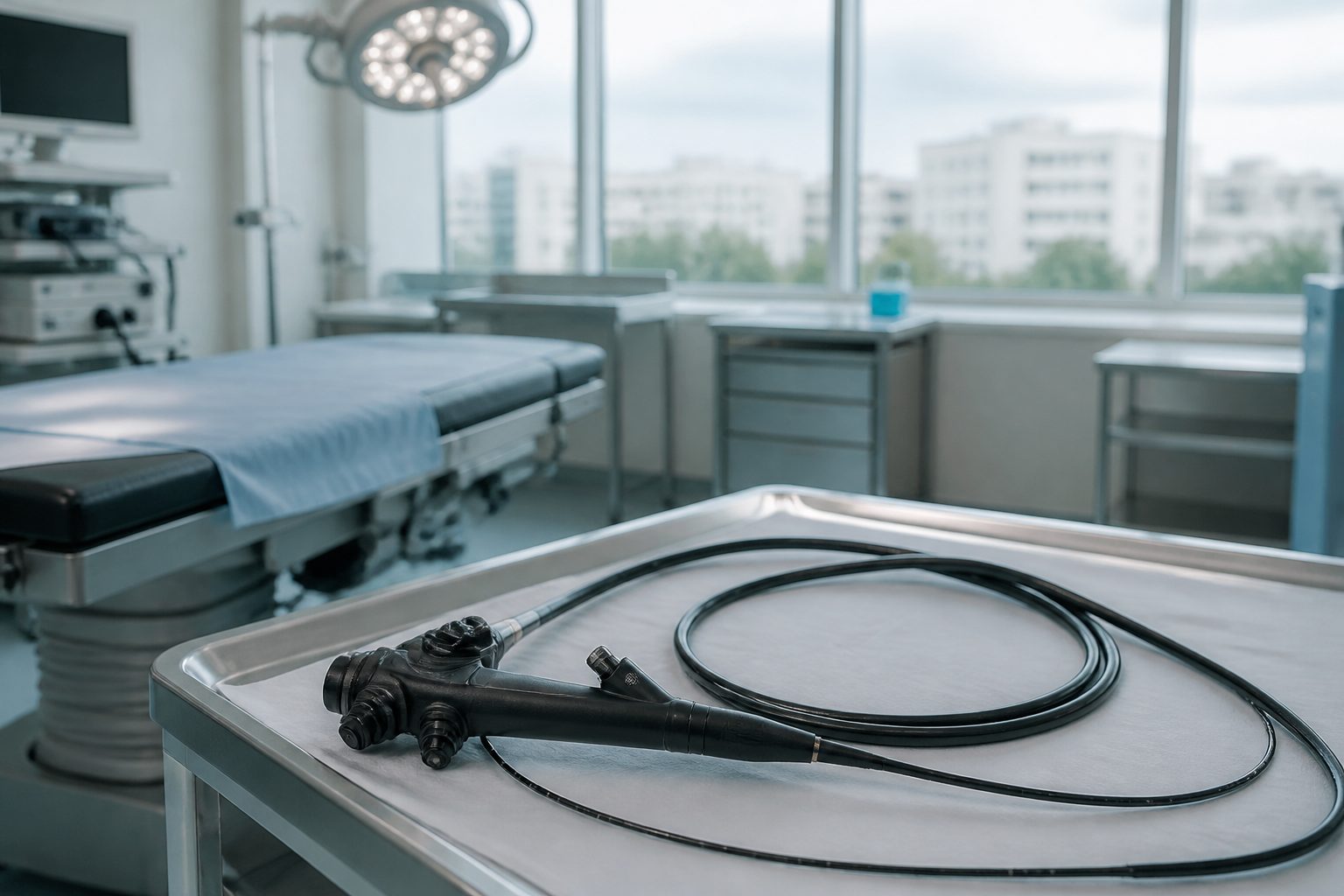
Retrograde Intrarenal Surgery (RIRS) is a minimally invasive urological procedure designed to remove kidney stones by navigating a thin, flexible endoscope (ureteroscope) through the urethra, bladder, and up into the kidney. Unlike traditional open or percutaneous surgeries, RIRS avoids any external incisions, which generally results in less pain, fewer complications, and a quicker recovery for patients.
This procedure is particularly recommended for patients with kidney stones that are less than 2 centimeters in diameter, especially when the stones are located in hard-to-access areas of the kidney, such as the lower pole. RIRS is also suitable for individuals who are not ideal candidates for other stone removal techniques, such as shock wave lithotripsy (SWL) or percutaneous nephrolithotomy (PCNL), due to medical conditions or stone location.
RIRS is appropriate for both adults and children. Pediatric patients, individuals with bleeding disorders, or those with anatomical abnormalities of the urinary tract may benefit from RIRS because it is less invasive and carries a lower risk of significant bleeding. Additionally, patients who have previously undergone unsuccessful stone treatments, or who have stones resistant to SWL, may be advised to consider RIRS.
Many patients opt for RIRS because of its advantages: reduced hospital stay (often just one or two nights), minimal scarring, and rapid return to daily activities. In countries with advanced urological centers such as India, Singapore, and Turkey, RIRS is increasingly offered as a first-line option for suitable patients, including international medical tourists seeking modern techniques with faster recovery. If you are considering RIRS, your urologist will assess your stone size, location, overall health, and personal preferences to determine if this procedure is the best choice for you.
Typical RIRS cost by country
The cost of RIRS varies widely by country and hospital type. The table below compares approximate price ranges in major medical travel destinations and selected Western countries. These figures are for a straightforward, single-stone case and may not include all expenses.
| Country | Typical cost (USD) | Local currency | What’s usually included |
|---|---|---|---|
| India | $1,300–$2,000 | ₹1.1–1.7 lakh | Surgery, 1-2 days hospital stay, basic preoperative labs |
| Pakistan | $1,400–$2,300 | ₨400,000–₨650,000 | Surgery, 1-2 days hospital stay |
| Bangladesh | $1,600–$2,400 | ৳175,000–৳260,000 | Surgery, hospital stay, basic medications |
| Indonesia | $2,500–$3,600 | Rp 40–60 juta | Surgery, 2 days hospital stay, routine labs |
| Philippines | $2,000–$3,500 | ₱110,000–₱195,000 | Surgery, basic labs, short hospital stay |
| Thailand | $3,000–$4,500 | ฿100,000–฿155,000 | Surgery, 2 days hospital stay, standard labs |
| Turkey | $3,200–$4,800 | ₺105,000–₺160,000 | Surgery, hospital stay, medications |
| United States | $6,000–$14,000 | USD | Surgery, hospital stay, anesthesia, labs |
| UK (private) | $5,500–$8,000 | £4,200–£6,200 | Surgery, 1-2 nights, anesthesia, basic labs |
| Germany | $5,000–$9,000 | €4,500–€8,200 | Surgery, 1-2 nights, anesthesia, routine labs |
What is included in the price
The quoted price for Retrograde Intrarenal Surgery (RIRS) typically covers a core set of medical services, but the inclusions can vary significantly between hospitals and countries. Most commonly, the base price includes the surgeon’s professional fee, anesthesia charges, use of the operating theater, and a standard hospital stay—usually ranging from one to two days, depending on your recovery and local protocols.
Preoperative assessments such as basic blood and urine tests are often part of the package, but more advanced imaging (like CT scans or contrast studies) may not be. Standard medications, including antibiotics and painkillers administered during your stay, are generally included, but additional or take-home prescriptions may incur extra charges. Some hospitals also bundle the cost of postoperative follow-up visits, suture removal, or stent removal, while others charge separately—this is especially important to clarify if you are an international patient who may need to return home before all aftercare is complete.
For patients traveling from abroad, it’s important to check if the package includes:
- Comprehensive preoperative imaging (ultrasound, X-ray, or CT scan)
- All necessary postoperative medications and discharge supplies
- Insertion and later removal of a double-J (DJ) stent, if required
- Consultations with the urologist both before and after surgery
- Support services such as translation, airport transfers, or a dedicated international patient coordinator
In countries like India, Thailand, and Turkey, many private hospitals offer bundled RIRS packages especially tailored for self-paying or international patients. These may include airport pickup, accommodation arrangements, and extended follow-up, providing convenience and peace of mind. However, in Western countries or public hospitals, such comprehensive packages are less common, and services are often billed individually.
Always request a detailed, itemized quotation before committing to treatment. This should clearly outline what is and isn’t included, so you can budget accurately and avoid unexpected expenses during your hospital stay and recovery.
What is not included or adds to the cost
While advertised prices for Retrograde Intrarenal Surgery (RIRS) can seem straightforward, there are numerous potential additional expenses that can significantly impact your final bill. These costs may not be included in the initial package and can vary widely depending on the hospital, country, and your individual health needs. Understanding these extra charges is crucial for accurate budgeting and avoiding surprises.
- Advanced imaging: Preoperative tests such as CT urography, contrast-enhanced studies, or specialized ultrasounds are often billed separately. In countries like the United States or the UK, these scans can cost several hundred dollars or pounds each, while in India or Turkey, the price may be lower but still not always included in the package.
- Unforeseen complications: If you develop complications such as infection, heavy bleeding, or require an extended hospital stay, expect additional charges for extra medications, intensive care, or specialist consultations. For example, an extra night in a private room can cost $100–$500 depending on the country.
- Additional procedures: Sometimes, a follow-up endoscopy, ureteric stent removal, or even a repeat RIRS is necessary. These are rarely included in the upfront cost. Stent removal, for example, may be an outpatient procedure, but can still incur a fee of $100–$400, depending on the facility.
- Special anesthesia: Pediatric patients, those with complex medical conditions, or requests for specific types of anesthesia (regional, general, or monitored sedation) can increase costs due to the need for specialized staff or equipment.
- Travel, visas, and accommodation: International patients face extra expenses for flights, ground transportation, visas, and hotels. Some medical tourism destinations (like Thailand or Turkey) offer bundled packages, but these are not universal, and you may need to arrange and budget for these separately.
- Consumables: High-tech disposable scopes, laser fibers, or specialized stone retrieval baskets may be charged as extra if not standard. This is particularly common in high-end hospitals or when using the latest technology.
It is essential to have a detailed conversation with your hospital or clinic about what happens if your case is more complex than expected. Ask about the protocol and costs if you need to stay extra days, require additional procedures, or face complications. Many insurance plans—especially those for international or self-paying patients—do not cover these extra costs, so clarify your coverage limits in advance. Always request an itemized estimate and consider setting aside a contingency fund for unforeseen expenses.
What drives the price of RIRS
The total cost of Retrograde Intrarenal Surgery (RIRS) can vary dramatically, influenced by a complex interplay of clinical, logistical, and geographic factors. Understanding these drivers will help you anticipate expenses and make informed choices when comparing hospitals or countries.
- Hospital type: Private hospitals, particularly those with international accreditations like JCI or NABH, tend to charge higher fees for RIRS than public or smaller regional centers. These facilities often offer advanced technology, private rooms, and enhanced patient services, which can justify the price difference.
- Location: The city and country where you undergo RIRS play a major role in cost. Major metropolitan areas and medical tourism hubs—such as Bangkok, Istanbul, or New Delhi—may have higher prices due to demand, but they also provide access to experienced surgeons and the latest equipment. In contrast, smaller cities or public hospitals may offer lower costs but with fewer amenities or English-speaking staff.
- Stone size and number: Larger stones or multiple stones can make the procedure more complex and time-consuming, sometimes necessitating longer operating times, use of more disposable supplies, or even staged procedures. This directly increases both the medical and facility fees.
- Technology used: The choice of equipment—such as disposable flexible ureteroscopes, advanced holmium or thulium lasers, and specialized retrieval baskets—can add significantly to the total bill. While these technologies may improve outcomes, they are often charged as extras, especially in private or international hospitals.
- Length of stay: While most RIRS procedures require only a short hospital stay, unexpected complications, slow recovery, or the need for additional monitoring can extend your admission and increase accommodation and care costs. In some countries, each additional night in a private room can add hundreds of dollars to your bill.
- International patient services: Hospitals catering to medical tourists may offer bundled packages that include airport transfers, translation services, and dedicated coordinators. While these services simplify your experience, they also add to the overall price. In some countries, these extras are optional, so you can choose a basic or premium level of service.
To avoid unexpected expenses, always request a comprehensive breakdown of all anticipated costs before scheduling your RIRS. If you have complex medical needs or a history of complications, discuss these factors with your care team to understand how they might impact both the procedure and your final bill. Comparing packages between hospitals and countries can help you find the best balance between cost, quality, and convenience for your situation.
How to save costs without compromising safety
There are safe ways to reduce RIRS expenses without sacrificing quality:
- Choose a high-volume center: Hospitals that perform many RIRS procedures often have experienced staff and more predictable outcomes, which can reduce complications and extra costs.
- Ask about package deals: Some hospitals offer fixed-price packages for international patients, covering all routine expenses and sometimes including airport transfers or accommodation.
- Avoid unnecessary extras: Only agree to additional scans or procedures if they are medically justified. Discuss with your doctor what is essential for your case.
- Plan your stay: Book flights and accommodation with flexible dates in case your recovery takes longer than expected, but avoid peak tourist seasons when prices rise.
- Confirm stent removal costs: If a stent is placed, ask if removal is included or will require a separate procedure and fee.
Never compromise on hospital accreditation, surgeon credentials, or infection control to save money. Safety should always come first.
What to expect during recovery
Most RIRS patients stay in hospital for 1–2 nights. You may have a urinary stent placed temporarily to help urine flow and reduce swelling. Mild burning during urination, some blood in the urine, and lower abdominal discomfort are common for a few days.
Most people return to light activity in 3–5 days and normal activity within 1–2 weeks. Heavy lifting and strenuous exercise should be avoided for at least two weeks. Drink plenty of water to help flush out any stone fragments. Your doctor may prescribe antibiotics and painkillers for a short period.
If you have a stent, removal is usually done after 1–2 weeks as a brief outpatient procedure. Watch for fever, severe pain, persistent bleeding, or difficulty urinating, and report these to your doctor promptly.
How to choose a hospital for RIRS
Selecting the right hospital for Retrograde Intrarenal Surgery (RIRS) is a critical step that can influence both your medical outcome and overall experience. To make an informed choice, consider several practical and country-specific factors that impact cost, safety, and convenience.
- Accreditation: Prioritize hospitals with recognized national or international accreditation. Look for Joint Commission International (JCI) in countries like Turkey, Thailand, or the UAE, or National Accreditation Board for Hospitals (NABH) in India. Accreditation ensures adherence to strict quality, safety, and infection control standards.
- Urology expertise: Choose centers with a high volume of kidney stone procedures and a dedicated urology team. In major medical tourism destinations—such as India, Singapore, or Germany—large hospitals often have specialized stone clinics with the latest technology and experienced surgeons.
- Transparent pricing: Hospitals serving international patients should provide detailed, itemized quotations. Ask for a written breakdown of what is included in the RIRS package and clarify any potential extra costs, such as imaging, stent removal, or extended stays. Transparency is especially important in countries where pricing can vary widely between public and private sectors.
- Language support: For non-native speakers, check if the hospital offers interpreter services or international patient coordinators. In countries like Thailand or Turkey, many private hospitals have multilingual staff and patient liaisons to assist with logistics, paperwork, and communication with your medical team.
- Follow-up care: Ask about aftercare arrangements, including the process for stent removal, wound checks, and remote consultations if you return home soon after surgery. Some hospitals offer telemedicine follow-up or collaborate with local doctors in your country.
To further ensure a positive experience, research patient reviews on independent platforms or seek recommendations from others who have undergone RIRS at your shortlisted hospitals. Word-of-mouth and online testimonials can provide insight into the quality of care, staff responsiveness, and practical issues such as waiting times and support for international patients. Ultimately, a hospital with a strong track record, clear communication, and comprehensive support services will offer the safest and most comfortable experience for your RIRS procedure.
Planning your RIRS trip: practical tips
For international patients, careful planning helps ensure a smooth experience:
- Obtain a detailed treatment plan and written cost estimate in advance.
- Share all your medical records, imaging, and laboratory results with the hospital before travel.
- Arrange for a companion if possible, especially for the first few days after surgery.
- Clarify visa requirements and ensure your passport is valid for at least six months.
- Plan for a stay of at least 5–7 days in the destination country to allow for preoperative assessment, surgery, and initial recovery.
- Check if your health insurance covers international treatment or if you need to pay out of pocket.
- Ask about COVID-19 protocols, including testing and quarantine, as these may affect your schedule and costs.
Some hospitals offer airport pickup, accommodation, and translator services—confirm what’s included before you travel.
Frequently asked questions
How long does the RIRS procedure take?
Most RIRS surgeries take 60–90 minutes, depending on the size and location of the stone. Additional time may be needed for complex stones or if multiple stones are treated in a single session.
Is RIRS painful?
RIRS is performed under general or spinal anesthesia, so you will not feel pain during the procedure. Mild discomfort, burning during urination, or lower abdominal pain are common for a few days after surgery and can be managed with painkillers.
When can I travel after RIRS?
Most patients can travel 3–5 days after RIRS, provided there are no complications and your doctor approves. If a stent is placed, you may need to stay longer or arrange for removal at home. Always follow your doctor’s advice.
What are the risks of RIRS?
Risks include urinary tract infection, bleeding, injury to the ureter or kidney, and the need for additional procedures. Serious complications are rare when performed at experienced centers. Discuss your individual risks with your urologist.
Will my insurance cover RIRS abroad?
Insurance coverage for RIRS abroad varies by provider and policy. Most international patients pay out of pocket, but some insurers reimburse part of the cost. Always check with your insurer before traveling and get pre-authorization if required.
Related guides
Disclaimer: Prices and coverage described here are indicative and may vary depending on your case and the hospital. Always request a written quote and consult a qualified urologist before making decisions about treatment or travel.