
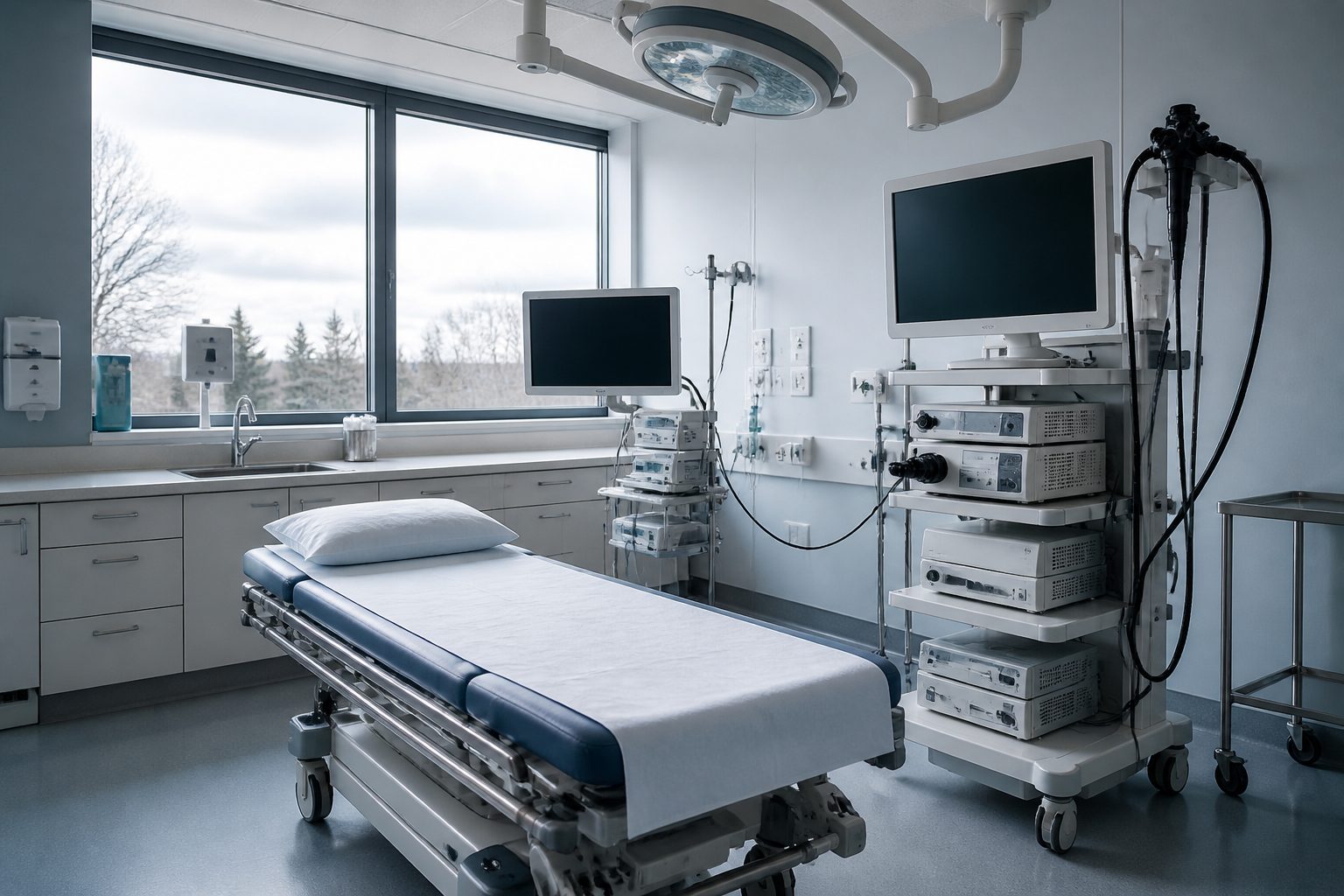
If you or a family member have been advised to get a colonoscopy for the first time, you likely have questions about what to expect, how to prepare, and what it will cost. This guide explains the procedure in clear terms, outlines preparation steps, and compares colonoscopy costs in leading medical travel destinations.
A colonoscopy is a common and important test for diagnosing digestive issues and ensuring colon health. For most patients, the procedure is straightforward, but careful preparation and understanding of the process can make your experience smoother and less stressful.
What is a colonoscopy and who needs one?
A colonoscopy is a medical procedure that allows a doctor to visually examine the entire lining of your colon (large intestine) and rectum using a long, flexible tube equipped with a tiny camera and light at the end, called a colonoscope. This outpatient procedure is highly effective for detecting abnormalities such as polyps, tumors, inflammation, or bleeding. The colonoscope can also be used to perform minor interventions, such as removing polyps or taking tissue biopsies for further analysis.
- Routine screening: International guidelines, including those from the American Cancer Society and the European Society of Gastrointestinal Endoscopy, recommend that adults begin routine colon cancer screening at age 45 or earlier if there are risk factors. The goal is early detection and removal of precancerous polyps, which can significantly reduce colorectal cancer risk.
- Symptomatic individuals: If you have symptoms like chronic abdominal pain, rectal bleeding, unexplained anemia, or persistent changes in bowel habits (such as diarrhea or constipation), a colonoscopy is often the gold standard for diagnosis.
- Family history: If you have a first-degree relative (parent, sibling, or child) with colorectal cancer or advanced polyps, your doctor may recommend starting screening earlier and repeating it more frequently.
- Chronic conditions: Patients diagnosed with inflammatory bowel diseases such as Crohn’s disease or ulcerative colitis, or those with hereditary syndromes like Lynch syndrome, require regular surveillance colonoscopies to monitor for early signs of cancer or complications.
In addition to these groups, colonoscopy may be necessary to investigate unexplained weight loss, chronic diarrhea, or positive results from less invasive tests like fecal occult blood tests. The procedure is widely available in most developed countries and is increasingly accessible in emerging medical tourism destinations, where costs can be significantly lower without sacrificing quality. Always consult with your doctor to determine the appropriate timing and frequency of colonoscopy based on your individual risk profile and symptoms.
How to prepare for your first colonoscopy
Proper preparation is essential for a safe and effective colonoscopy. Inadequate bowel preparation can lead to missed findings or even the need to repeat the procedure. Here are the standard steps:
- Consultation and instructions: Your doctor or the hospital will give you detailed instructions, usually a week before the procedure. This includes dietary guidelines and a bowel cleansing regimen.
- Dietary changes: You will need to follow a low-fiber diet for several days, then switch to clear liquids (such as broth, clear juices, and water) 24 hours before the colonoscopy. Avoid red or purple liquids, as they can be mistaken for blood during the procedure.
- Bowel preparation: You will be given a laxative solution to drink, typically the evening before and sometimes the morning of the procedure. This causes frequent, watery bowel movements to clear out your colon.
- Medication adjustments: Inform your doctor about all medications and supplements you take, especially blood thinners, diabetes medications, or iron supplements. Your doctor may advise you to adjust or temporarily stop certain medications.
- Arranging transportation: Because you will likely receive sedation, you should arrange for someone to take you home after the procedure. Do not plan to drive or operate machinery for the rest of the day.
Follow all instructions precisely. Incomplete preparation can lead to missed polyps and may require repeating the colonoscopy.
What happens during the procedure
On the day of your colonoscopy, you will check into the hospital or endoscopy center. Here is what typically happens:
- You will change into a hospital gown and have your vital signs checked.
- An intravenous (IV) line will be inserted for sedation or anesthesia. Most centers use conscious sedation, allowing you to relax and stay comfortable without being fully unconscious.
- You will lie on your left side while the doctor gently inserts the colonoscope through your rectum and advances it through the colon. The camera transmits images to a monitor for the doctor to examine.
- If polyps or abnormal tissue are found, the doctor may remove them or take biopsies during the same procedure.
- The entire process usually takes 25-45 minutes.
- After the colonoscopy, you will rest in a recovery area for about 30-60 minutes until the sedative wears off.
Most patients experience little or no pain, though mild bloating or cramping is common for a few hours afterward. You will receive a written report and instructions before you leave.
Colonoscopy costs in major medical travel destinations
Colonoscopy costs vary widely depending on the country, hospital reputation, type of sedation used, and whether any polyps or biopsies are removed. Below is a comparison of typical price ranges in countries popular for digestive and urology care. Prices are for a standard diagnostic colonoscopy, including basic sedation and routine consumables, but not including polyp removal, biopsies, or additional pathology fees.
| Country | Typical cost (USD) | Includes | Excludes |
|---|---|---|---|
| India | $180-$400 (₹15,000-33,000) | Procedure, basic sedation, day care | Polyp removal, pathology |
| Thailand | $400-$1,000 (฿14,000-36,000) | Procedure, sedation, day care, consultation | Histopathology, extra polyps |
| Turkey | $350-$700 (₺11,000-22,000) | Procedure, sedation, basic labs | Additional treatments |
| UAE | $800-$1,600 (AED 2,900-5,900) | Procedure, anesthesia, day care | Polyps, biopsy |
| Philippines | $250-$600 (₱14,000-34,000) | Procedure, basic sedation | Biopsy, extended care |
| United States | $2,000-$4,000 | Procedure, sedation, facility fee | Biopsy, anesthesia upgrade |
| UK (private) | $1,200-$2,000 (£950-1,600) | Procedure, sedation, day care | Pathology, extra treatments |
| Germany | $1,000-$1,800 (€950-1,700) | Procedure, sedation, basic labs | Polyp removal, biopsy |
| Singapore | $1,200-$2,000 (SGD 1,600-2,700) | Procedure, sedation, day care | Biopsy, extended stay |
| Malaysia | $400-$900 (RM 1,800-4,000) | Procedure, sedation, consultation | Pathology, polyp removal |
What is (and isn’t) included in the price
The base price for a colonoscopy typically covers the procedure itself, basic sedation (conscious sedation or mild anesthesia), and use of the endoscopy suite on a day-care basis. Some hospitals include pre-procedure consultation and routine blood work in the package. However, several costs are often not included in the base package:
- Polyp removal: If polyps are found and removed, this often adds a separate fee, depending on the size and number of polyps.
- Biopsy and pathology: Tissue samples sent for analysis are usually charged separately, with costs varying by country.
- Extended observation: If you need to stay longer than the standard recovery period, there may be additional charges.
- Medical clearance or pre-anesthesia workup: Patients with significant health conditions may require extra testing, which is billed separately.
- Upgraded anesthesia: Deep sedation or general anesthesia, if needed or requested, may cost extra.
Ask for a detailed breakdown of what is included in your quote, and clarify if there are extra charges for any additional findings or treatments during the procedure.
Hidden and extra costs: what to watch for
When budgeting for a colonoscopy, it’s essential to be aware that the advertised price may not cover all potential expenses. Many clinics and hospitals quote only the base fee for the procedure, but additional costs can arise unexpectedly. The most common extra charges occur if the doctor needs to remove a polyp (polypectomy), take a biopsy, or send tissue samples to a pathology lab for analysis. These interventions, while important for your health, are not always predictable before the procedure begins.
- Doctor’s consultation: In some countries, the initial specialist consultation is included in the package price, while in others it is billed separately. Always clarify whether your first visit and pre-procedure evaluation are covered.
- Follow-up visit: After your colonoscopy, you may need to return to discuss results, especially if a biopsy was taken. This follow-up appointment can incur an extra fee, particularly in private hospitals or international clinics.
- Repeat procedures: If your bowel preparation is inadequate, the doctor may not be able to complete the colonoscopy, necessitating a repeat procedure. This can double your costs, as both the procedure and the bowel prep kit may need to be repurchased.
- Travel and accommodation: For patients traveling from another city or country, expenses for flights, hotels, meals, and local transportation can quickly add up. Some hospitals offer discounted accommodation or airport transfers, so ask about these options.
- Medication: The cost of the bowel preparation kit (laxatives and clear fluids) and any medications prescribed after the procedure (such as antibiotics or pain relievers) are often not included in the basic colonoscopy fee. In some countries, these items are only available at hospital pharmacies and may be more expensive than local drugstores.
Other potential extras include anesthesia fees (if deeper sedation is required), facility or equipment surcharges, and emergency care if complications arise. To protect yourself from unexpected bills, always request a written, itemized price quote from your hospital or clinic. This document should clearly list what is included and what is not, such as pathology fees, anesthesia, and follow-up visits. If you have insurance, check which components are reimbursable. Transparent communication and careful review of the estimate can help you avoid costly surprises and ensure your total outlay stays within budget.
How to save on colonoscopy costs safely
Reducing the cost of a colonoscopy doesn’t have to mean sacrificing safety or quality. Many patients choose to travel to countries like India, Thailand, or Turkey, where the same procedure can cost a fraction of what it does in the US, UK, or Western Europe. However, it’s essential to take proactive steps to ensure you receive excellent care and avoid hidden charges.
- Choose accredited hospitals: Always select hospitals with recognized accreditations such as JCI (Joint Commission International), NABH in India, or equivalent national bodies. These facilities undergo regular audits and follow strict protocols, which significantly reduce the risk of complications.
- Request fixed-price packages: Many reputable hospitals offer comprehensive packages for international patients. These should include all standard elements—consultation, colonoscopy, sedation, routine disposables, and a basic post-procedure review. Ask for a written breakdown and confirm what is and isn’t included, such as pathology fees or extra medications.
- Use international patient services: Top hospitals have dedicated teams to help with every aspect of your trip, from airport pickups to hotel bookings and translation. These services are usually complimentary and can save you both time and money by preventing misunderstandings or logistical errors.
- Check for bundled deals: If you need multiple procedures (for example, both a colonoscopy and gastroscopy), inquire about combined packages. These are often much more cost-effective than booking each procedure separately and may include discounts on accommodation or follow-up visits.
- Book early and confirm details: Scheduling your procedure in advance not only secures your spot but also allows you to lock in current prices and clarify all terms. Always ask what happens if the doctor finds a polyp or needs to perform a biopsy—will this be included in your package, or will there be an extra charge?
Before making a decision, research the average costs in your destination country and compare at least three hospitals. Read independent patient reviews, verify doctor credentials, and avoid facilities that are vague about pricing or unwilling to provide documentation. Remember, the lowest price is not always the best value—prioritize safety, transparency, and medical expertise to ensure your colonoscopy is both affordable and high-quality.
How to choose a hospital or clinic
Choosing the right hospital or clinic for your colonoscopy is a crucial step that can affect both your safety and your wallet. Begin by researching facilities that specialize in gastroenterology, as centers with high procedure volumes typically have more experienced staff, advanced equipment, and lower complication rates. In countries like the United States, look for hospitals with high rankings in digestive disorders; in India, Thailand, or Turkey, prioritize large, urban hospitals known for medical tourism.
- Specialty and experience: Opt for clinics or hospital departments that focus on digestive health and perform a large number of colonoscopies annually. High-volume centers often have standardized protocols and immediate access to emergency care if needed.
- Accreditation: International accreditations such as JCI (Joint Commission International) or country-specific ones like NABH in India and ISO certifications are strong indicators of rigorous safety and quality standards. These accreditations ensure regular audits and adherence to best practices.
- International patient support: If you are traveling from abroad, prioritize hospitals with dedicated international patient departments. These teams can assist with visa paperwork, airport pickups, translation services, and even local SIM cards, making your experience smoother.
- Transparent pricing: Reliable hospitals and clinics provide detailed, written cost estimates that list all expected charges, from the procedure itself to possible extras like anesthesia or pathology. In some countries, government regulations require price lists to be published online.
- Doctor qualifications: Ensure your endoscopist is board-certified, has specific training in colonoscopy, and can provide evidence of ongoing education and low complication rates. Inquire about their experience with both diagnostic and therapeutic procedures (such as polyp removal).
To further safeguard your choice, read independent patient reviews on platforms like Google, Trustpilot, or medical tourism forums. Ask the hospital for the credentials of the doctor who will perform your colonoscopy, and request a virtual or phone consultation to discuss your case and clarify any concerns before committing. This process not only helps you gauge the facility’s responsiveness but also builds confidence in your care team.
Planning your trip and recovery
Proper planning is especially important if you are traveling domestically or internationally for your colonoscopy. Start by scheduling your procedure well in advance, as some hospitals require a pre-procedure consultation at least a day before. For most patients, it’s wise to allow 2-3 days for the full process: one for the initial visit and bowel preparation, one for the procedure itself, and one for recovery or follow-up if needed. In countries like Thailand, Turkey, or India, many hospitals cater to international patients with streamlined scheduling, but it’s still best to confirm all logistics before you travel.
- Schedule enough time: Build in extra days in case your procedure is delayed, biopsies are taken, or you experience side effects that require monitoring. Last-minute travel changes can be expensive, so flexibility is key.
- Arrange support: After sedation, you may feel drowsy or unsteady for several hours. It’s strongly recommended to have a trusted companion accompany you, not only for emotional support but also to help with transportation, paperwork, and communication if you are in a foreign country.
- Prepare for dietary restrictions: The day before your colonoscopy, you’ll need to follow a clear liquid diet and take bowel-cleansing medications. Stock up on clear broths, juices, and electrolyte drinks, as well as gentle foods for after the procedure, such as rice, bananas, or yogurt. Supermarkets and pharmacies in your destination country may carry different brands, so check availability in advance.
- Rest after the procedure: Most patients can resume normal activities the day after their colonoscopy, but it’s important to avoid heavy lifting, driving, or strenuous exercise for at least 24 hours. If you’ve traveled far, consider extending your stay by a day to ensure you’re fully recovered before returning home.
- Monitor for complications: While rare, complications such as severe abdominal pain, persistent bleeding, or fever can occur. Make sure you know how to access emergency care in your host country and keep your hospital’s emergency contact information handy.
Keep all medical documents, including your procedure report, pathology results, and discharge instructions. These may be needed for follow-up care in your home country or for insurance claims. If you are traveling abroad, ask for English-language copies or certified translations. Careful planning and organization will help you recover comfortably and minimize stress during your medical journey.
Frequently asked questions
Will the colonoscopy hurt?
Most patients receive sedation, so discomfort is minimal. You may feel pressure, bloating, or mild cramping during and after the procedure, but severe pain is rare. If you feel pain, inform the medical staff immediately.
How long does the procedure and recovery take?
The colonoscopy itself usually takes 25-45 minutes. You will rest in recovery for 30-60 minutes until the sedative wears off. Plan to spend about 3-4 hours at the hospital or clinic in total.
Can I eat and drink after the colonoscopy?
Yes, you can resume eating and drinking once you are fully awake. Start with light, easily digested foods. Avoid alcohol and heavy meals for the rest of the day as your body recovers from sedation.
How soon will I get my results?
If no biopsies are taken, your doctor may give you initial findings immediately after the procedure. Biopsy or polyp results usually take 2-7 days, depending on the hospital’s pathology services.
Is colonoscopy safe for people with other health conditions?
Colonoscopy is generally safe, but patients with heart, lung, kidney, or liver problems should inform their doctor in advance. Extra precautions or pre-procedure testing may be needed to ensure safety during sedation.
Related guides
Disclaimer: The prices and information in this article are indicative and may vary by hospital, doctor, and your individual case. Always obtain a written quote and consult a qualified doctor for personalised advice before scheduling any medical procedure.