
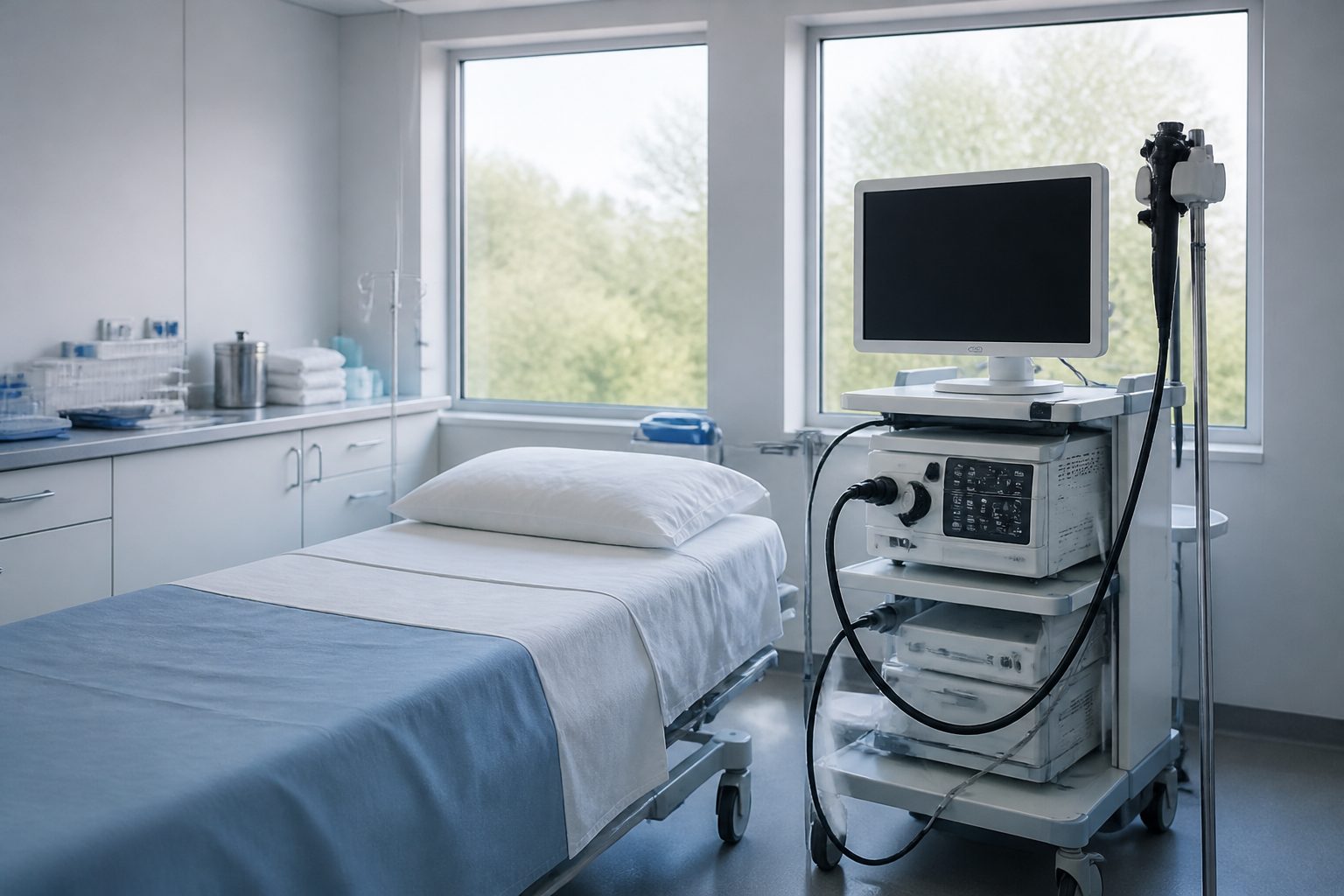
This guide compares colonoscopy prices in the USA, India, and Germany for patients seeking clear, practical information. If you need a colonoscopy for digestive health screening or diagnosis, here’s what you can expect to pay and what’s usually included.
The cost of a colonoscopy ranges from about $200 (₹16,500) in India, $1,800–$3,500 in the USA, and $800–$2,000 in Germany. Prices depend on the facility, sedation options, and what is included in the package.
What is included in colonoscopy prices?
Colonoscopy pricing can be complex, especially when comparing hospitals across different countries. The headline price may only reflect the procedure itself, but a number of additional services and factors can impact your final bill. Understanding what is typically included—and what is not—is essential for accurate cost comparison.
- Consultation fees: Many hospitals, especially in the US and Germany, charge separately for the initial appointment with the gastroenterologist. In India, some international patient packages include this fee, but always check whether it’s bundled or billed apart.
- Sedation: Light or conscious sedation (often with midazolam and fentanyl) may be included in the base price in India and Germany, but deeper sedation or anesthesia (with propofol or an anesthesiologist present) can add $200–$1,000 in the US, and a smaller surcharge in India or Germany.
- Biopsy: If tissue samples are taken during the colonoscopy, there are usually separate charges for both the biopsy procedure and the pathology analysis. In the US, this can add several hundred dollars; in India, the additional cost is typically much lower but still not always included in the package.
- Polyp removal: Removing polyps (polypectomy) is a frequent part of colonoscopies, but it is rarely included in the base price. The cost depends on the number and size of polyps, and the technique used. US hospitals often charge per polyp, while Indian and German hospitals may offer a bundled price for a certain number of polyps.
- Pre-procedure tests: Blood tests, ECG, or chest X-rays may be required before the procedure. Some hospitals include these in the quoted price, while others (especially in the US and Germany) list them as additional charges.
- Recovery room: Use of a monitored recovery area for a set period (typically 1–2 hours) is usually included in the base price, but extended stays due to complications may incur extra fees.
Practical advice
- Always request a detailed, itemized price breakdown from each hospital you are considering.
- Ask specifically about the costs of sedation, biopsy, polyp removal, and required pre-tests.
- Clarify whether follow-up appointments are included or billed separately.
By understanding the specifics of what is included in colonoscopy pricing in the USA, India, and Germany, you can make a more meaningful and accurate comparison—and avoid unexpected charges during your medical journey.
Colonoscopy cost comparison: USA, India, Germany
Here’s a direct comparison of typical colonoscopy costs in these three countries. All amounts are for self-paying patients and exclude insurance discounts or government subsidies.
| Country | Indicative cost range | What’s usually included | Common exclusions |
|---|---|---|---|
| USA | $1,800–$3,500 | Procedure, basic sedation, facility fee, brief recovery | Consult, deep sedation, polyp removal, pathology, pre-op tests |
| India | $200–$500 (₹16,500–₹41,000) | Procedure, light sedation, sometimes consult & basic recovery | Polyp removal, anaesthetist, pathology, advanced sedation |
| Germany | $800–$2,000 (€730–€1,830) | Procedure, standard sedation, recovery, sometimes consult | Polyp removal, pathology, extensive pre-op tests |
What drives the price of a colonoscopy?
The main factors influencing colonoscopy costs are:
- Type of facility: Private hospitals and specialty clinics charge more than public hospitals or community centers.
- Sedation: Deep sedation or monitored anaesthesia care raises costs, especially in the USA and Germany where an anaesthetist is involved.
- Location: Costs are higher in major cities and capital regions. In India, prices in Mumbai or Delhi may be up to 30% higher than smaller cities.
- Complexity: Simple screening colonoscopies are cheaper than procedures involving polyp removal, biopsy, or treatment of bleeding.
- Accreditation and quality: JCI- or NABH-accredited hospitals often charge more but offer higher international standards and English-speaking staff.
- Inclusions: Packages that include consultation, sedation, and pathology are more predictable in price but may be less flexible if not all services are needed.
If you have existing digestive symptoms or require therapeutic intervention, expect higher costs due to the need for additional equipment or extended time in the endoscopy suite.
How to compare colonoscopy prices internationally
When evaluating colonoscopy prices across different countries, it’s important to consider not just the headline cost, but the full context of what you are paying for. Price comparisons can be misleading if you don’t account for all elements involved in the procedure, the quality of care, and the practicalities of international travel.
- What is included: Hospitals in the USA often itemize every service—consultation, sedation, facility fees, pathology, and polyp removal—leading to a higher and sometimes unpredictable final bill. In India, many top private hospitals offer all-inclusive packages for international patients that cover pre-procedure tests, the procedure itself, sedation, and basic recovery. In Germany, pricing may be semi-inclusive, with add-ons for sedation or biopsy. Always scrutinize what each price quote covers: ask for a sample bill or a detailed quotation to avoid unexpected charges.
- Quality and safety: Check for international or national accreditations. In the USA, look for JCI-accredited centers. In India, NABH accreditation is a sign of quality, while in Germany, look for hospitals certified by the German Society for Gastroenterology or other recognized bodies. Research the gastroenterology department’s experience, infection rates, and the credentials of the endoscopists.
- Language support: Navigating a foreign healthcare system can be challenging. Major hospitals in India and Germany often have international patient coordinators who can help with scheduling, translation, and billing. Confirm if these services are included or if there is an extra charge for interpreter support.
- Location: Proximity to a major international airport can significantly reduce your travel time and costs. In Germany, cities like Berlin, Frankfurt, or Munich are well-serviced. In India, consider hospitals in Delhi, Mumbai, or Bangalore—these cities have top facilities and good international connections.
- Reputation: Seek referrals from your home physician, or look for testimonials from previous international patients. Online forums and patient review sites can also provide insights into the experience of foreigners at specific hospitals.
Practical steps include contacting the hospital’s international desk, requesting a written breakdown of all potential costs, and clarifying the process for follow-up care. Also, check if your home insurance covers any part of the procedure abroad, and factor in travel and accommodation expenses. By thoroughly researching and comparing these factors, you can make an informed and cost-effective choice for your colonoscopy overseas.
Hidden costs and extra charges
Even when you receive a seemingly comprehensive package price for a colonoscopy abroad, there are several potential extra costs that may arise. Understanding these hidden expenses ahead of time is crucial for budgeting and avoiding unpleasant surprises.
- Consultation fees: Some hospitals, especially in the US and Germany, bill separately for pre- and post-procedure consultations with the gastroenterologist. In India, these may be included in a package for international patients, but always confirm in writing.
- Pre-procedure testing: Standard tests such as bloodwork, ECG, or chest X-ray may be mandatory before your colonoscopy. COVID-19 screening is still required by some hospitals. While Indian hospitals often include these in their package, US and German facilities may bill them separately, adding $50–$300 to your total cost.
- Biopsy and pathology: If your doctor takes tissue samples during the procedure, expect additional charges for laboratory analysis. In the US, pathology fees can range from $150–$500; in India, they’re usually much lower but may still be billed separately. Germany typically charges a moderate fee for this service.
- Polyp removal: Removing polyps is a common add-on, but it is rarely included in the base price. In the US, polypectomy can add $100–$500 per polyp. In India and Germany, costs are lower but still vary by size and number—always ask for a price per polyp in advance.
- Translation or interpreter services: If you don’t speak the local language, interpreter services may be necessary for consultations and consent forms. In Germany and India, these may be available through the hospital’s international patient office, but fees can range from $20–$100 per session.
- Unexpected findings: If the colonoscopy reveals issues that require further procedures, such as additional imaging, surgery, or extended hospital stay, these costs will be billed separately. It’s important to clarify in advance how such scenarios are handled and what the approximate fees might be.
Practical tips for managing extra costs
- Request a written, itemized estimate that includes all potential add-ons before booking your procedure.
- Ask if there is a maximum out-of-pocket cap for international patients.
- Clarify what happens if complications arise or additional procedures are needed.
By proactively discussing these factors with your chosen hospital, you can plan your budget more accurately and avoid financial surprises during your medical trip.
How to save safely on colonoscopy abroad
Saving money on a colonoscopy by traveling abroad is possible, but it’s essential to prioritize your health and safety throughout the process. Here’s how you can legitimately reduce your costs while ensuring high standards of care:
- Choose a reputable hospital in a lower-cost country: India is a popular destination due to its combination of internationally accredited private hospitals, English-speaking staff, and affordable pricing. Major Indian cities like Delhi, Mumbai, and Chennai have hospitals that cater specifically to medical tourists, offering colonoscopies for a fraction of US prices—often between $300 and $900. In Germany, private clinics in cities like Berlin or Munich provide transparent pricing and high standards, though costs are generally higher than India but lower than the US.
- Book an all-inclusive package: Many hospitals offer bundled deals for international patients that include pre-procedure consultations, the colonoscopy itself, standard sedation, recovery room use, and sometimes even airport transfers. These packages reduce the risk of surprise charges and simplify the billing process.
- Travel during low season: Airfares and hotel rates fluctuate throughout the year. Scheduling your procedure during off-peak months can result in significant savings on travel and accommodation. For countries like India, avoid major festivals or holiday periods; in Germany, steer clear of summer and Christmas peak travel times.
- Limit extras: Only agree to additional services—such as deep sedation, advanced imaging, or extra lab tests—if they are medically necessary. Discuss with your doctor beforehand what is essential for your situation to avoid unnecessary upcharges.
- Ask about telemedicine: Some hospitals offer video consultations before and after the procedure. This can reduce the number of days you need to spend abroad, saving on accommodation and minimizing disruption to your routine.
Important safety considerations
- Never compromise on accreditation or hygiene: Always verify that your chosen facility is licensed and has a strong reputation for cleanliness and safety. Avoid clinics that cannot provide proof of accreditation or refuse to answer detailed questions about infection control.
- Ensure proper pre-procedure evaluation: Skipping pre-procedure assessments can endanger your health. Make sure your medical history is reviewed and all necessary tests are done before the colonoscopy.
By following these steps, you can enjoy significant cost savings without sacrificing your health or peace of mind. Careful planning and informed choices are key to a safe and economical colonoscopy abroad.
Who is a good candidate for medical travel for colonoscopy?
Medical travel for a colonoscopy can be a practical and cost-effective solution for many, but it’s not suitable for everyone. Understanding who is best positioned to benefit from seeking this procedure abroad helps you make a safe and informed decision.
- Uninsured or underinsured patients: In the United States, the out-of-pocket cost for a colonoscopy can range from $2,000 to over $5,000 if you lack comprehensive insurance. In contrast, high-quality hospitals in India or Germany may offer the same procedure for as little as $300–$1,500, making international travel attractive for those facing prohibitive costs at home.
- Patients facing long wait times: In countries with public healthcare systems, such as Canada or the UK, wait times for non-urgent colonoscopies can stretch to several months. Traveling to countries like India or Germany, where private hospitals can schedule procedures within days, can be invaluable if you need a prompt diagnosis—especially if you have concerning symptoms or a family history of colon cancer.
- Combining travel with medical needs: Some people use the opportunity to visit family or explore a new country while addressing their health needs. This is especially common among expatriates or those with ties to India or Germany. However, it’s important to prioritize your health and allow adequate recovery time before engaging in tourism.
- Seeking advanced diagnostics or a second opinion: Access to the latest endoscopic technology or highly specialized gastroenterologists may be limited in your home country. Germany, for example, is known for its advanced medical equipment and rigorous standards, while leading Indian hospitals offer Western-trained specialists at lower costs.
Who should avoid medical travel?
- High-risk patients: If you have serious heart or lung disease, a history of anesthesia complications, or mobility issues that make travel difficult, it’s safer to have your colonoscopy done locally where your full medical history is accessible.
- Patients with complex medical needs: Those who might require hospitalization or have unpredictable health issues may be better served by staying close to their primary care team.
Before making arrangements, always discuss your plans with your regular doctor. They can help assess your fitness for travel, provide necessary medical records, and advise on pre- and post-procedure care. Proper preparation ensures both safety and value when considering medical travel for a colonoscopy.
Frequently asked questions
How long does a colonoscopy take and can I travel soon after?
The procedure usually takes 20–45 minutes. Most patients can leave the hospital after 1–2 hours of recovery. It’s safe to travel the next day in most cases, but avoid long-haul flights immediately after deep sedation.
Will insurance cover my colonoscopy abroad?
Most standard health insurance policies in the USA, UK, or EU do not cover procedures done abroad, except for emergencies. Some international insurance or employer plans may provide partial reimbursement for planned care. Always check your policy before booking.
Is sedation always included in the price?
No, sedation type and inclusion vary by country and hospital. Basic sedation is usually included, but deep sedation or anaesthetist involvement often costs extra. Always clarify this in your quote.
Can I have a colonoscopy if I don’t speak the local language?
Many major hospitals in India and Germany have English-speaking staff and international patient offices. Interpreter services are available in most large centers for an additional fee if needed.
What if they find a polyp or abnormality during the procedure?
If a polyp or abnormality is found, the doctor may remove it and send it for pathology. This usually adds to the cost, sometimes significantly. Ask about these charges in advance and make sure you have enough funds to cover potential extras.
Related guides
Disclaimer: Prices in this article are indicative and may vary by hospital, city, and individual case complexity. Always request a written quote and consult a qualified doctor before making any treatment decisions.