
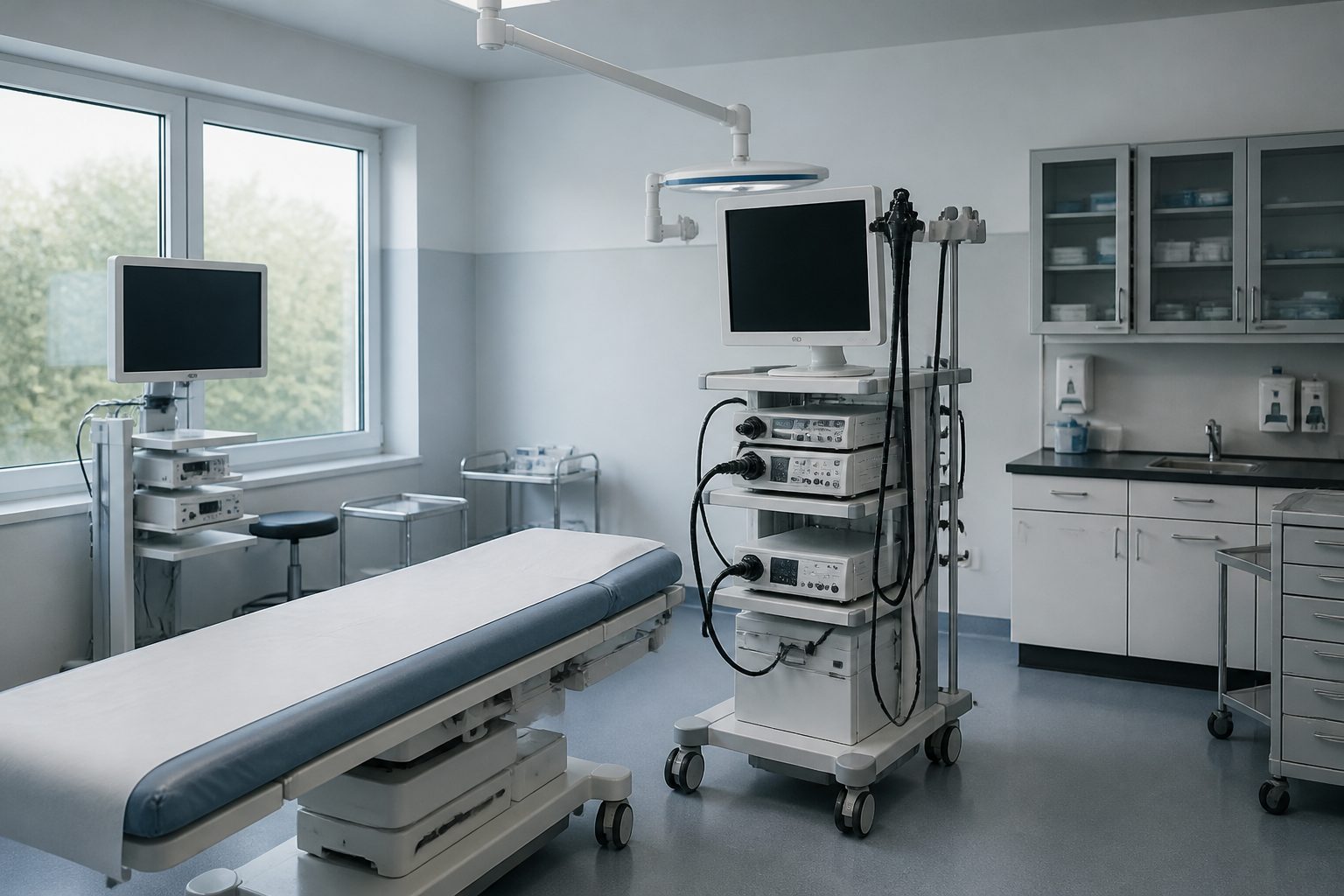
Anyone experiencing persistent digestive discomfort or with risk factors for gastrointestinal diseases should consider a digestive health checkup. These checkups combine a set of tests that help diagnose issues in the stomach, intestines, liver, gallbladder, and pancreas.
Costs for a comprehensive digestive health checkup typically range from $200-$2,000, depending on location, hospital, and the specific tests included. Advanced procedures like endoscopy or colonoscopy can increase the price.
What is a digestive health checkup?
A digestive health checkup is a group of diagnostic tests and consultations to assess the functioning of your digestive system. It aims to detect common problems like gastritis, ulcers, gallstones, fatty liver, and early signs of chronic diseases such as hepatitis or pancreatitis. People with symptoms such as abdominal pain, bloating, irregular bowel habits, unexplained weight loss, or a family history of digestive diseases may benefit most from such an evaluation. For those with chronic conditions like diabetes or high cholesterol, periodic digestive checkups can also help monitor for secondary complications.
A typical checkup may include a physical exam, laboratory tests, imaging, and, if needed, endoscopic procedures. The combination depends on your symptoms, age, risk factors, and the protocols of the hospital or clinic. While some packages are marketed as preventive, it’s best to discuss your medical history with a gastroenterologist to decide which tests are truly necessary.
Recommended tests in a digestive health checkup
The exact set of tests varies by country, hospital, and your individual risk profile. However, most comprehensive digestive health checkups include:
- Blood tests: Complete blood count (CBC), liver function tests (LFTs), kidney function tests (KFTs), pancreatic enzymes, blood sugar, lipid profile, and markers for hepatitis B and C.
- Stool analysis: Checks for occult blood, parasites, infections, and signs of inflammation.
- Abdominal ultrasound: Non-invasive imaging to screen for liver, gallbladder, pancreas, and kidney abnormalities.
- Upper GI endoscopy (gastroscopy): Direct visualization of the esophagus, stomach, and duodenum, used if symptoms suggest ulcers, reflux, or unexplained upper abdominal pain.
- Colonoscopy: Visualizes the colon and rectum, recommended for adults over 45 or younger if there are symptoms like bleeding or strong family history of colorectal disease.
- Urine analysis: Checks for kidney function, infections, and protein or blood in urine.
Additional tests such as CT scans, MRIs, or specialized breath tests may be suggested if initial results indicate a need for further investigation. For men, a prostate ultrasound may also be included if there are urinary symptoms or risk factors for benign prostatic hyperplasia (BPH).
Cost comparison: digestive health checkups in major countries
The price of a digestive health checkup depends on the number and type of tests, the hospital’s reputation, and the country. Below is a comparison of typical costs for a standard package (blood tests, ultrasound, stool/urine analysis, and one endoscopic procedure) in major destinations for medical travel. Prices are indicative and may vary based on add-ons or complications.
| Country | Typical checkup cost | Includes | Excludes |
|---|---|---|---|
| India | $250-$700 (₹21,000-58,000) | Blood, stool, urine, ultrasound, endoscopy or colonoscopy | Biopsies, sedation, follow-up consults |
| Thailand | $500-$1,200 (฿16,000-43,000) | Blood, stool, urine, ultrasound, endoscopy | Polyp removal, advanced imaging |
| Singapore | $800-$2,000 (S$1,100-2,700) | Consult, basic labs, ultrasound, endoscopy | MRI, extra procedures, medications |
| Turkey | $400-$1,000 (₺13,000-32,000) | Labs, ultrasound, endoscopy | Histopathology, extra imaging |
| UAE | $900-$1,800 (AED 3,300-6,600) | Consult, labs, ultrasound, endoscopy | Colonoscopy, sedation, medications |
| USA | $1,200-$3,000 | Labs, ultrasound, consult | Endoscopy, colonoscopy, anesthesia |
| UK | $900-$2,200 (£700-1,700) | Consult, labs, ultrasound | Endoscopy, colonoscopy |
| Philippines | $250-$600 (₱14,000-34,000) | Labs, ultrasound, basic endoscopy | Biopsies, sedation, advanced scans |
| Indonesia | $200-$500 (Rp 3.2-8 million) | Labs, ultrasound, basic endoscopy | Additional procedures, advanced imaging |
| Bangladesh | $180-$450 (৳20,000-50,000) | Labs, ultrasound, endoscopy | Biopsies, sedation, doctor fees |
| Pakistan | $150-$400 (Rs 43,000-114,000) | Labs, ultrasound, basic endoscopy | Colonoscopy, advanced tests |
When are endoscopy and colonoscopy recommended?
Endoscopy and colonoscopy are not always included in basic checkups but are essential for diagnosing certain conditions. An upper GI endoscopy is recommended for symptoms such as chronic heartburn, nausea, unexplained vomiting, upper abdominal pain, or suspected ulcers. Colonoscopy is typically advised for individuals over 45, those with rectal bleeding, chronic diarrhea, or a family history of colorectal disease. These procedures allow direct visualization and biopsy of suspicious areas, aiding in early diagnosis of inflammatory bowel disease (IBD), polyps, or infections. They require preparation, such as fasting or bowel cleansing, and sedation may be used for comfort.
In most countries, the cost of an endoscopy or colonoscopy is additional to the basic checkup price, especially if performed under sedation or if biopsies are needed. It’s important to clarify with the hospital what is included in your package and what will incur extra charges.
Gallstone, kidney stone, hernia, and liver disease checks
Digestive health checkups often extend beyond the gastrointestinal tract to screen for conditions that commonly coexist or present with similar symptoms, such as gallstones, kidney stones, hernias, and liver disease. These additional checks are particularly important for individuals with risk factors like obesity, diabetes, metabolic syndrome, or a family history of related illnesses. The approach to screening and diagnosis, as well as the associated costs, can vary by country and facility.
Gallstones and kidney stones: Detection typically relies on abdominal ultrasound, which is standard in most checkup packages in Asia and the Middle East, but may be an extra charge in Western countries. If stones are found, further imaging (such as a CT scan or intravenous pyelogram) may be recommended to assess size, location, and potential complications. These follow-up tests are rarely included in the base package and can add significantly to your bill—sometimes hundreds of dollars in the US or Europe, but much less in countries like India or Thailand.
Liver disease: Screening involves blood tests for liver function (ALT, AST, bilirubin), viral hepatitis markers (HBV, HCV), and, if indicated, advanced imaging like elastography or fibroscan to measure liver stiffness and fibrosis. These specialized tests are more common in tertiary care centers and may not be routine in basic packages. If abnormal results are found, further consultations and tests will be needed, adding to the cost.
Hernias: Diagnosis is usually made by physical examination, but ultrasound may be used for confirmation, especially in cases where the hernia is not obvious or is located in a difficult-to-examine area. This is generally included in comprehensive packages, but always confirm with your provider.
It’s important to note that while checkups can identify these conditions early—sometimes before symptoms appear—actual treatment (such as surgery for stones or hernias, or medical management for liver disease) is not included in the basic checkup cost. If a significant issue is detected, you will need to budget separately for specialist consultations, additional diagnostics, and any required interventions. For those with known risk factors, periodic screening is strongly advised, but always clarify which tests are included in your chosen package to avoid unexpected expenses.
What is and isn’t included in the cost
The cost of a digestive health checkup can vary significantly depending on the country, hospital, and the specific package you choose. In general, a standard digestive health checkup package is designed to cover the essential tests and consultations needed to assess your gastrointestinal system. However, it’s important to understand exactly what is included—and what isn’t—so you can avoid unexpected expenses.
- Initial consultation: Most packages start with a consultation with a gastroenterologist, who will review your medical history, symptoms, and risk factors. In some countries, this fee is bundled; in others, it may be billed separately.
- Basic laboratory tests: These usually include blood tests (such as liver function, kidney function, blood sugar, and complete blood count), urine analysis, and stool tests for occult blood or infections. The scope of these tests can differ between hospitals.
- Abdominal ultrasound: This imaging test is commonly included to check for liver, gallbladder, pancreas, and kidney abnormalities. In countries like India and Thailand, this is often standard, while in the US or Western Europe, it may be an add-on.
- One endoscopy: Either an upper GI endoscopy (esophagogastroduodenoscopy) or a colonoscopy is typically part of the package, but not always both. Sedation may be limited to local numbing unless you pay extra.
Exclusions are just as important to note, as these can significantly increase your total costs if required:
- Biopsies, polyp removal, or histopathology: If your endoscopy finds suspicious tissue, removing it and sending it for analysis is rarely included in the base price. These procedures can add hundreds of dollars or more, especially in Western countries.
- Sedation or anesthesia: Beyond local numbing, deeper sedation or general anesthesia is often excluded and billed separately. This can be a significant extra cost in the US, UK, or Australia.
- Advanced imaging: Tests like CT scans, MRIs, or specialized fibroscan for liver fibrosis are not standard and are only ordered if initial tests indicate a need. These are among the most expensive add-ons.
- Follow-up consultations: While your initial doctor visit may be included, any return visits to discuss results or further treatment are typically extra.
- Medications: Any drugs prescribed after the checkup, such as antibiotics or acid reducers, are not included and will be a separate out-of-pocket expense.
To avoid surprises, always request a detailed, itemized breakdown of what is covered in your package. Ask about potential add-ons and their costs, especially if you have risk factors or symptoms that might require further investigation. In some countries, hospitals are legally required to provide this information in writing. Taking these steps can help you budget accurately and avoid hidden charges.
Hidden costs and how to save
Digestive health checkups can come with a range of hidden costs that may not be immediately apparent when you first review package prices. These additional expenses can quickly add up, especially if your initial tests reveal abnormalities that require further investigation. Being aware of these potential costs and knowing how to minimize them can help you avoid financial surprises.
Common hidden costs include:
- Biopsies and pathology: If your endoscopy or colonoscopy uncovers a suspicious lesion, a biopsy will likely be performed. The procedure itself may add $40–$200 (or local equivalent) to your bill, with separate charges for laboratory analysis and histopathology. In Western Europe and the US, these costs are often higher than in Southeast Asia or India.
- Sedation or anesthesia: Many packages include only local numbing or minimal sedation. If deeper sedation or general anesthesia is needed, expect an additional $30–$150, depending on the country and the type of sedation used.
- Advanced imaging: If your doctor orders a CT scan, MRI, or specialized liver scan, these tests can add $100–$500 or more to your total cost. Prices vary widely: for example, a CT scan may cost $100 in India but over $400 in the US.
- Follow-up consultations: While the initial doctor visit is usually included, any additional appointments to discuss results, plan treatment, or address complications are often billed separately.
- Medications: Any drugs prescribed after your checkup—such as antibiotics, acid reducers, or supplements—are not part of the base package and must be paid out of pocket.
Practical steps to save:
- Clarify inclusions: Always ask for a detailed written list of what is—and isn’t—included in your package. Don’t hesitate to question unclear or vague pricing.
- Compare packages: Research and compare prices between top hospitals and clinics in your region or in medical tourism destinations. Ensure the facility is accredited and has a good reputation.
- Limit unnecessary tests: Work with your doctor to determine which tests are truly necessary for your age, symptoms, and risk profile. Avoid add-ons unless medically indicated.
- Consider bundled packages: Some hospitals, especially those catering to international patients, offer all-inclusive packages that cover tests, consultations, and basic follow-up. These can offer better value and reduce the risk of surprise charges.
- Plan for travel and recovery: If you are traveling for your checkup, factor in costs for flights, accommodation, meals, and extra days for recovery or additional procedures if needed.
By taking these steps and staying informed, you can better control your digestive health checkup expenses and avoid being caught off guard by hidden fees.
How to choose the right hospital or clinic
Choosing the right hospital or clinic for your digestive health checkup is a decision that can impact both your health outcomes and your overall costs. Start by researching facilities with recognized accreditation, such as Joint Commission International (JCI), National Accreditation Board for Hospitals (NABH) in India, or national health ministry certifications in your country. Accreditation ensures that the hospital meets stringent standards for quality, safety, and hygiene—crucial factors in invasive procedures like endoscopy.
- Specialist availability: Opt for hospitals or clinics with a full roster of specialists, including gastroenterologists, hepatologists, urologists, and nephrologists. This is especially important if you have a history of complex or chronic conditions, as multidisciplinary input can improve diagnostic accuracy and treatment planning.
- Transparent pricing: Insist on clear, upfront pricing and a written list of what is included in the package. Some hospitals, especially in Southeast Asia or the Middle East, offer comprehensive packages for international patients, but always verify the details and ask about exclusions.
- International patient services: If you are traveling for care, look for facilities that offer language interpretation, visa assistance, airport transfers, and help with local accommodation. These services can save you time and stress, especially in countries where English is not widely spoken.
- Reputation for infection control: Invasive tests like endoscopy carry a risk of infection if proper sterilization protocols are not followed. Check for recent reviews, ask about infection rates, and confirm the hospital’s track record in patient safety.
Larger multispecialty hospitals in countries like Singapore, South Korea, and the UAE often have the latest diagnostic equipment and highly trained staff, but their costs may be higher and wait times longer. In contrast, smaller specialty clinics in countries such as Thailand or Turkey may offer faster appointments and more affordable rates, but may lack advanced imaging or emergency support. If you have a specific condition—such as chronic liver disease or a history of kidney stones—prioritize hospitals with a strong record in that area and ask about the treating doctor’s experience.
Before booking, always request a comprehensive written quote and double-check the inclusions and exclusions. If possible, read independent reviews or seek recommendations from former patients. Taking these practical steps will help ensure you receive quality care at a transparent and manageable cost.
Planning your visit: what to expect
Preparing for a digestive health checkup involves more than just booking an appointment; understanding the process will help you maximize your results and minimize stress. Typically, a full digestive health assessment can be completed within one to two days, but the exact timeline depends on the number and type of tests included, as well as your overall health status and any findings during the checkup.
Before your visit: Most centers require fasting for at least 8-12 hours before blood tests or procedures like upper GI endoscopy. If a colonoscopy is included, you’ll need to follow a bowel preparation regimen—usually involving a special diet and laxatives—the day before. This is essential for clear imaging and accurate diagnosis. Bring all previous medical records, imaging results, and a list of current medications to help your doctor tailor the checkup to your needs.
During the checkup: Expect to spend several hours at the hospital or clinic, especially if multiple tests are scheduled. Wear comfortable, loose-fitting clothing and be prepared for possible waiting times between tests. If sedation is planned for procedures like endoscopy or colonoscopy, you must arrange for someone to accompany you, as you’ll be unable to drive or operate machinery for 12-24 hours afterward. Some countries, such as Singapore or Germany, are known for efficient same-day testing, while others may require an overnight stay for observation or recovery.
After the checkup: Basic test results (blood, urine, ultrasound) may be available the same day, but more complex analyses—such as biopsy or histopathology—can take several days to a week. Plan for a follow-up consultation, either in person or via telemedicine, to discuss your results and receive recommendations for further action. If you are an international patient, allow extra time for travel, recovery, and any unforeseen findings that might require immediate attention or additional procedures.
Finally, be aware of local practices and requirements. For example, in some countries, you may need to pay in advance or present identification and insurance documents. Clarify these details with your chosen hospital or clinic to ensure a smooth experience. By preparing thoroughly, you can make your digestive health checkup as efficient, comfortable, and informative as possible.
Frequently asked questions
What symptoms suggest I need a digestive health checkup?
Symptoms such as persistent abdominal pain, unexplained weight loss, chronic heartburn, changes in bowel habits, or blood in stool warrant a checkup. If you have risk factors like a family history of digestive disease or chronic conditions such as diabetes, periodic screening is also advised.
How often should I have a digestive health checkup?
For healthy adults without symptoms or risk factors, a checkup every 3-5 years is typical. Those with chronic diseases, family history, or ongoing symptoms may need annual or more frequent evaluations, as advised by their doctor.
Are the procedures painful or risky?
Most tests are non-invasive and painless. Endoscopy and colonoscopy may cause discomfort, but sedation can minimize this. Complications are rare but can include bleeding or infection, especially if biopsies are taken. Discuss all risks with your doctor in advance.
Will insurance cover the checkup?
Coverage varies by country and insurer. Preventive checkups are often not fully covered, especially if there are no symptoms. However, if tests are ordered for a specific medical reason, partial reimbursement may be possible. Check your policy details before booking.
Can I eat and drink before the tests?
Most blood tests and endoscopic procedures require fasting for 8-12 hours. For colonoscopy, bowel preparation is needed. Always follow the instructions provided by your hospital or doctor to ensure accurate results and a smooth procedure.
Related guides
Disclaimer: Prices and test packages described here are indicative and vary by hospital, country, and individual needs. Always seek a written quote and consult a qualified medical professional before making healthcare decisions.