
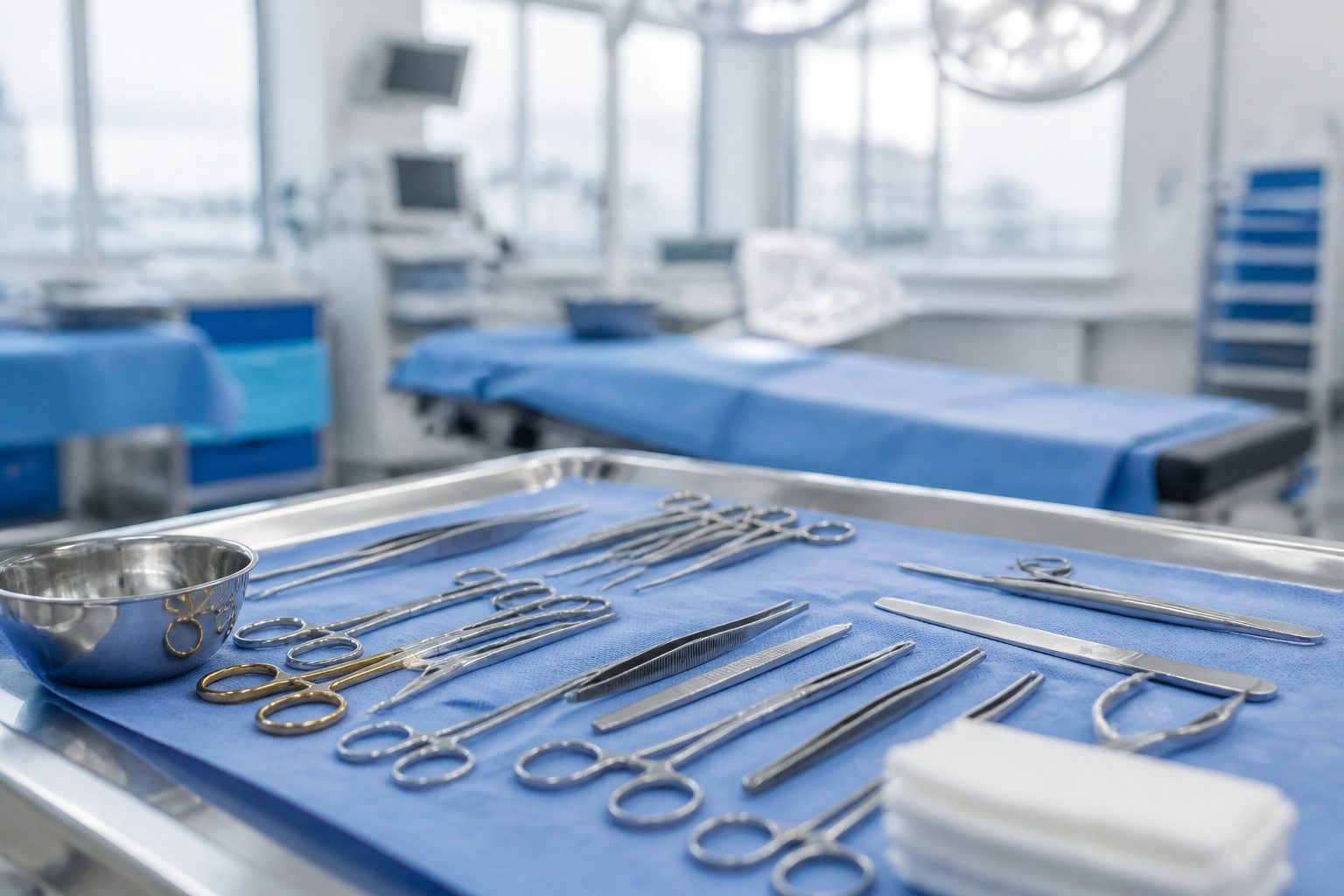
Patients seeking hernia repair surgery can expect a wide range of costs depending on the country, hospital type, and specific procedure. For most, the main question is: what will I actually pay, and what is included?
In this guide, we compare the average cost of hernia repair in eight countries, explain what affects the price, break down what is and isn’t included, and give practical advice for planning your treatment safely and affordably.
Average hernia repair costs in 8 countries
Hernia repair is a common surgical procedure performed worldwide. Costs vary widely based on country, surgical technique (open or laparoscopic), hospital type, and whether the patient is self-paying or insured. Below, we compare the typical total costs for an uncomplicated inguinal hernia repair at reputable private hospitals in eight countries. The figures include hospital charges, surgeon and anaesthetist fees, and basic consumables, but not travel, hotel, or potential complications.
| Country | Average cost (USD) | Local currency | What’s usually included | Notes |
|---|---|---|---|---|
| India | $700-$1,400 | ₹58,000-1.2 lakh | Surgery, 1-2 nights stay, routine labs, mesh | Lowest cost for open; laparoscopic higher |
| Thailand | $2,000-$3,500 | ฿70,000-120,000 | Surgery, 1-2 nights, standard labs, mesh | English support, transparent packages |
| Turkey | $1,600-$2,800 | ₺52,000-90,000 | Surgery, 1-2 nights, anaesthetist, mesh | Popular for European patients |
| Mexico | $2,200-$3,800 | MX$37,000-65,000 | Surgery, 1 night, basic labs, mesh | Extra for pre-op tests, bilingual staff |
| UAE | $3,000-$5,500 | AED 11,000-20,000 | Surgery, 1-2 nights, mesh, routine meds | Private clinics, fast scheduling |
| United Kingdom | $4,200-$6,000 | £3,300-4,700 | Surgery, 1 night, surgeon & anaesthetist | NHS wait times long; private is self-pay |
| Germany | $3,800-$6,200 | €3,500-5,700 | Surgery, 1-2 nights, mesh, routine labs | Accredited clinics, high standards |
| United States | $5,000-$8,000 | – | Surgery, surgeon, anaesthetist, day stay | Excludes pre-op consults, facility fees |
What is included in hernia repair costs
Understanding exactly what is included in a quoted hernia repair price is crucial for budgeting and avoiding unexpected expenses. Most private hospitals in countries popular for medical tourism—such as India, Turkey, Thailand, and Mexico—offer hernia repair as a fixed-price package. These packages typically cover the core elements of care:
- Surgeon and anaesthetist fees: Professional fees for the surgical team are usually included. These may vary depending on the surgeon’s experience and the complexity of the hernia.
- Operating theatre charges: The cost of using the operating room, including standard surgical instruments and equipment.
- Mesh implant: If a synthetic mesh is used (which is standard in most modern repairs), the cost of the mesh—sometimes specifying the brand or type—is included. Premium or imported meshes may cost extra.
- Hospital accommodation: Packages generally cover 1–2 nights in a standard room. Upgrades to private or deluxe rooms are usually available for an additional fee.
- Routine blood tests and basic medications: Pre-op blood work and standard medications (such as painkillers and antibiotics) are often bundled in the price.
However, there are important differences between hospitals and countries. Some packages exclude pre-surgery consultations, advanced imaging (such as ultrasound or CT scan), or extra nights if you require a longer recovery period. Laparoscopic (keyhole) repair is almost always more expensive than open repair due to the need for specialized equipment, disposable instruments, and longer operating room times. In the US or UK, even basic packages may not include anaesthesia or the cost of the mesh, so always check the details.
Before committing, ask for a written breakdown of exactly what is included and what’s not. Confirm whether the package covers pre-op assessment, all surgeon and anaesthetist fees, the type and brand of mesh, medications, and post-op follow-up visits. If you have existing medical conditions, allergies, or require special anaesthesia, clarify whether additional charges will apply. This attention to detail will help you avoid financial surprises and ensure a smoother surgical experience abroad.
What is not included: hidden and extra charges
While quoted hernia repair prices may seem comprehensive, international patients often face additional expenses not included in the hospital’s base fee. Understanding these hidden and extra charges is essential for accurate budgeting and avoiding unpleasant surprises. The most common exclusions are:
- Initial specialist consultation and diagnostic imaging: The first visit to the surgeon and any required imaging (such as ultrasound, CT scan, or MRI) are often billed separately, especially in private hospitals in Europe or the US. These costs can range from $50 in India to several hundred dollars in Western countries.
- Pre-operative tests and clearances: Routine blood work may be included, but if you require additional cardiac or respiratory clearance due to age or underlying conditions, expect extra charges. These are particularly common in patients over 60 or with chronic illnesses.
- Visa and travel insurance: Medical visas and comprehensive travel insurance (which is strongly recommended) are your responsibility. Costs vary by country and length of stay, but can add several hundred dollars to your budget.
- Local transportation and transfers: Airport pick-up, drop-off, and daily transport between your hotel and hospital may not be included in the package. Some hospitals offer these services for a fee, while others expect you to arrange your own.
- Accommodation for companions: If a family member is accompanying you, their hotel or guesthouse costs are separate. In cities like Istanbul or Bangkok, prices vary widely based on location and amenities.
- Post-discharge medications: Prescriptions for pain relief, antibiotics, or wound care supplies needed after you leave the hospital are usually an out-of-pocket expense.
- Management of complications: If you develop an infection, bleeding, or require intensive care, extra days in hospital or additional procedures will be billed separately. Some hospitals offer complication insurance for an added fee.
To avoid financial surprises, always request a detailed, itemized written estimate from your hospital that lists all likely charges, including those for potential complications. Ask clear questions about what happens in case of a longer hospital stay or if additional procedures are needed. If you’re traveling alone, inquire about in-hospital nursing or post-discharge support, which may be available for an extra charge. Planning for these hidden costs ensures a smoother, less stressful experience abroad.
Open vs laparoscopic hernia repair: cost and recovery
Hernia repair surgery can be performed using two main techniques: open surgery and laparoscopic (keyhole) surgery. Each method has distinct cost structures, recovery profiles, and suitability factors that can influence your decision and overall expenses.
Open hernia repair
Open repair is the traditional approach, involving a single incision over the hernia site. It is generally less expensive because it uses standard surgical instruments and can often be performed under local or spinal anaesthesia, reducing anaesthesia costs. In countries like India, open repair can cost as little as $800–$1,500, while in the US or UK, prices may range from $4,000–$8,000. Recovery time is usually longer (up to 4–6 weeks before resuming strenuous activity), and pain may be more significant in the first days after surgery. However, open repair is suitable for most straightforward hernias and is widely available.
Laparoscopic hernia repair
Laparoscopic repair uses several small incisions and a camera-guided approach, requiring specialized equipment and a highly trained surgical team. This method almost always requires general anaesthesia, which increases the overall cost. In most countries, laparoscopic repair adds an extra $500–$2,000 to the base price. For example, in Thailand or Turkey, total costs may be $2,000–$3,000, while in the US, the bill can exceed $10,000. Although more expensive, laparoscopic surgery typically offers faster recovery (1–2 weeks for most activities), less post-operative pain, and a lower risk of wound infection. However, not all hernias are suitable for this approach, and not all surgeons are experienced in the technique.
For patients with complex, recurrent, or very large hernias, costs can escalate further due to longer operating times, need for specialized mesh, or involvement of multiple surgical specialists. Always have a detailed discussion with your surgeon about the pros and cons of each technique, their experience, the expected recovery time, and a clear breakdown of costs. This will help you make an informed decision that balances your budget, health, and lifestyle needs.
How to save on hernia repair safely
Saving money on hernia repair without sacrificing safety requires careful research and planning. Start by targeting countries with a reputation for high-quality, affordable healthcare—India, Turkey, and Thailand are popular for their well-established medical tourism sectors, advanced facilities, and internationally trained surgeons. In these countries, prices can be 50-80% lower than in the US or Western Europe, but the quality of care remains high in accredited hospitals.
- Choose a reputable private hospital: Focus on hospitals with international accreditations (such as JCI or NABH), positive patient reviews, and English-speaking staff. These facilities often have dedicated international patient departments to streamline your experience.
- Request all-inclusive packages: Ask for a package that bundles pre-operative consultations, blood tests, the surgery itself, anaesthesia, hospital stay, medications, and post-op care. All-inclusive pricing helps you avoid surprise bills and makes it easier to compare costs between hospitals and countries.
- Travel during off-peak months: Hospital costs and hotel prices may be lower outside of peak tourist seasons. Scheduling your procedure during quieter months can also mean more personalized attention from staff and shorter waiting times.
- Utilize patient coordinators: Hospitals with international patient coordinators can provide detailed written quotes, help with visa letters, arrange airport transfers, and assist with accommodation. This support reduces stress and helps you budget accurately.
- Check your insurance coverage: Some international insurance plans or employer policies may cover elective hernia repair abroad or reimburse you for overseas care. Always confirm the process and documentation required in advance.
Steer clear of clinics that are unclear about pricing, rush you into payment, or lack verifiable accreditation. The lowest price isn’t always the safest—insist on seeing the credentials of your surgeon (such as board certification and experience with hernia repairs) and the hospital’s accreditation status. Take time to read patient reviews and, if possible, speak to past patients. Remember, safety and transparency should always come before cost savings.
How to choose a hospital and surgeon
Look for hospitals with a strong track record in general and digestive surgery, ideally with international accreditation (such as JCI or national standards). Experienced surgeons who perform a high volume of hernia repairs are preferable. Read patient reviews, but also ask for details on infection rates, reoperation rates, and what happens if complications arise. Good hospitals provide a named coordinator for international patients and offer video or email consultations before you travel.
Check if the hospital offers both open and laparoscopic repair, and what their policy is if your case turns out to be more complex than expected. Ask about the brand and quality of the surgical mesh, as cheaper meshes may be less durable. Make sure you understand the follow-up process and who to contact after discharge.
Planning your trip: timing and logistics
Careful planning is key to a smooth and cost-effective hernia repair abroad. Most private hospitals in popular medical tourism destinations can schedule hernia repair within days to a few weeks, especially for self-paying patients. However, the total duration of your trip should account for pre-surgery assessment, the operation, initial recovery, and post-operative follow-up.
- Pre-operative period: Arrive in the destination country at least 1–2 days before your scheduled surgery. This allows time for final consultations, blood tests, and any required imaging. Some hospitals may require additional days for cardiac clearance or other specialist assessments, especially for older patients or those with chronic illness.
- Hospital stay: Most hernia repairs involve a 1–2 day hospital admission. Open repairs may allow for same-day discharge, but laparoscopic procedures or complex cases often require an overnight stay for observation and pain management.
- Post-operative recovery: Plan to remain nearby for 2–3 days after discharge to attend follow-up appointments and ensure there are no early complications. For laparoscopic repairs, recovery is quicker, but you should still avoid flying for at least 5–7 days after surgery to minimize the risk of deep vein thrombosis (DVT).
Book your flights, accommodation, and medical visa well in advance. If traveling alone, ask the hospital if they can provide post-discharge nursing, home visits, or local support services. Bring copies of all relevant medical records, including previous surgical reports, medication lists, and allergy information. Check the latest travel advisories and COVID-19 restrictions for your destination country, as rules can change quickly and may affect your plans.
Finally, arrange for wound care and follow-up with a local doctor in your home country before you leave. This ensures continuity of care and provides peace of mind in the event of any delayed complications after returning home.
Frequently asked questions
How long will I need to stay in hospital after hernia repair?
Most patients stay 1-2 nights in hospital after hernia repair, though some may be discharged the same day for simple cases. Those with medical conditions or more complex repairs may need longer. Always clarify your expected length of stay with your surgeon.
Does insurance cover hernia repair abroad?
Some international health insurance policies cover planned surgery abroad, but many do not. Always check with your insurer before traveling. Self-pay patients should get a written quote and clarify payment terms with the hospital before arrival.
Is laparoscopic hernia repair better than open repair?
Laparoscopic repair offers faster recovery and smaller scars for many patients, but costs more and isn’t suitable for all types of hernias. The best method depends on your medical history, hernia size, and surgeon’s expertise. Discuss options with your doctor.
What happens if I develop complications after returning home?
If you have complications such as infection or pain after returning home, contact your surgeon or hospital immediately. Many hospitals offer remote follow-up for international patients. Have a local doctor available for urgent issues or wound checks.
Can I travel alone for hernia surgery?
Many patients do travel alone, but having a companion is safer, especially in the first days after discharge. If traveling solo, arrange for hospital or hotel nursing support, and plan your transport to and from the hospital in advance.
Related guides
Disclaimer: Prices in this article are indicative and can vary by hospital, surgeon, case complexity, and currency fluctuations. Always request a personalised written quote and consult a qualified doctor before making any decisions about surgery.