
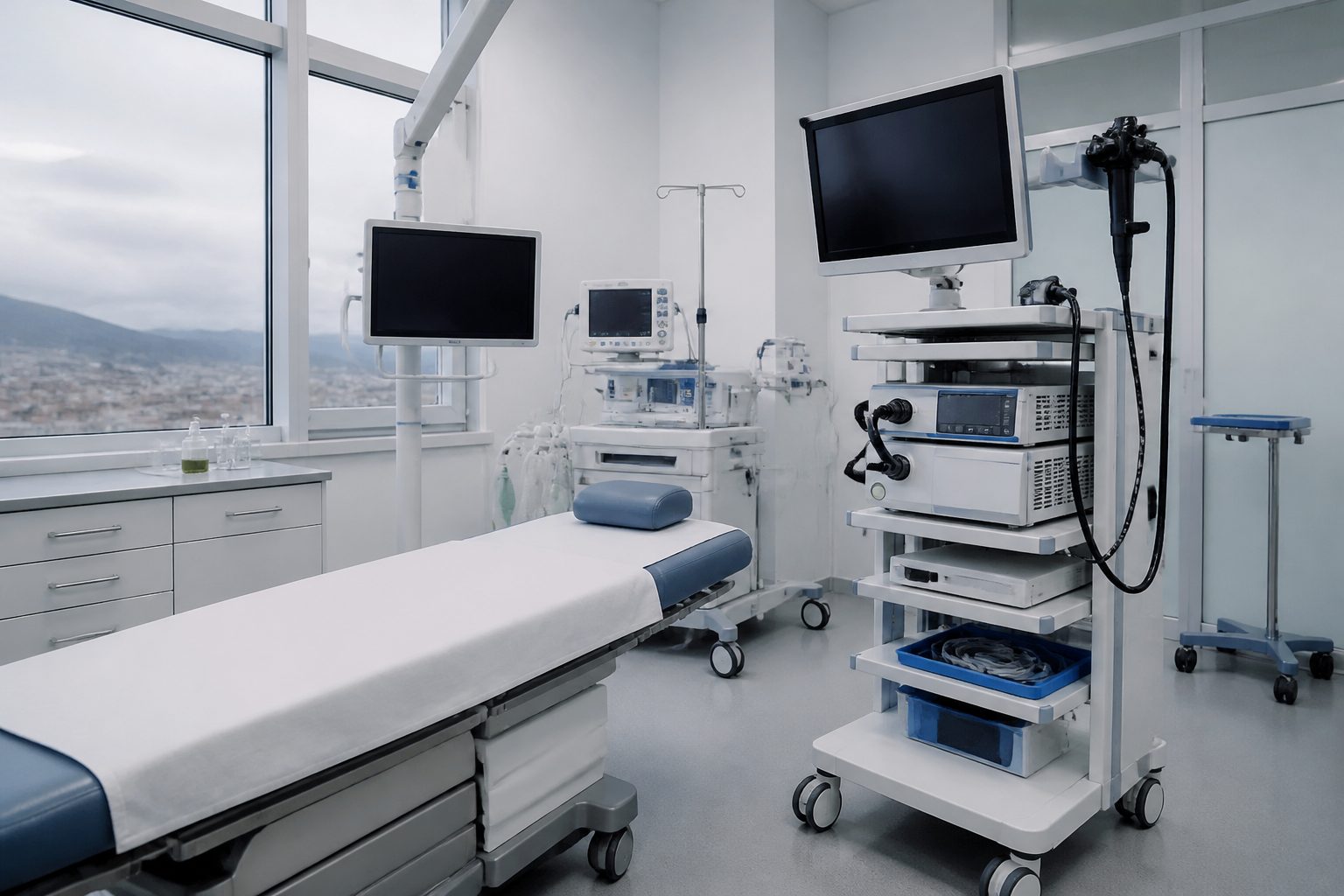
This guide ranks the top 15 hospitals in South Korea for gastroenterology, hepatology, urology, and nephrology care. It is for patients and families seeking high-quality diagnosis and treatment for digestive, liver, kidney, and urinary conditions without a focus on cancer or transplant.
Typical costs for procedures such as endoscopy, colonoscopy, gallstones, kidney stones, hernia, prostate (BPH), and liver disease range from $1,200 to $12,000 depending on the hospital, complexity, and treatment required.
How we chose these
These hospitals were selected based on their depth of expertise in gastroenterology, hepatology, urology, and nephrology, high patient volumes, international accreditations where available, dedicated international patient services, and transparency in cost estimates. All are major centers in South Korea with strong reputations for digestive and urinary care, serving both local and international patients.
1. Asan Medical Center, Seoul
Asan Medical Center is one of South Korea’s largest hospitals, known for comprehensive care in gastroenterology, hepatology, and urology. Its GI and liver units handle complex cases, including advanced endoscopy, gallstone and kidney stone removal, and minimally invasive procedures. The hospital’s dedicated international clinic helps overseas patients with appointment scheduling, translation, and travel arrangements.
Patients with liver disease, digestive disorders, and benign urological conditions will find a wide range of diagnostics and treatments. Asan’s scale and experience make it suitable for those seeking advanced procedures or second opinions.
Indicative cost: $2,000-$12,000
2. Severance Hospital (Yonsei University Health System), Seoul
Severance Hospital is a leader in GI oncology, inflammatory bowel disease (IBD), and advanced endoscopic procedures. Its gastroenterology and hepatology teams offer coordinated care for conditions such as gallstones, hernias, and benign liver or digestive issues. International patients benefit from a well-established global healthcare center for coordination and language support.
The hospital is suited to patients needing comprehensive evaluation or minimally invasive procedures for digestive or urinary concerns, with transparent processes for cost estimation and billing.
Indicative cost: $2,500-$10,000
3. Samsung Medical Center, Seoul
Samsung Medical Center offers advanced care in gastroenterology, liver disease, and urology, with a focus on minimally invasive surgery and state-of-the-art endoscopy. The hospital’s international healthcare center assists with logistics and interpretation, making it a practical choice for overseas visitors.
Samsung is recommended for patients seeking advanced diagnostics, gallstone or kidney stone treatment, and management of chronic liver or urinary conditions, with a reputation for efficiency and modern facilities.
Indicative cost: $2,500-$11,000
4. Seoul National University Hospital, Seoul
Seoul National University Hospital is recognized for its research in gastroenterology and hepatology, as well as advanced endoscopic submucosal dissection (ESD) and treatment of digestive and liver diseases. The hospital’s international health care center manages foreign patient needs, from interpretation to scheduling.
It is a good option for those seeking evidence-based care, complex diagnostic procedures, or management of chronic GI or urinary disorders in an academic medical environment.
Indicative cost: $2,000-$10,000
5. Catholic University Seoul St. Mary’s Hospital, Seoul
Seoul St. Mary’s Hospital is notable for its expertise in liver disease, GI cancer, and inflammatory bowel disease. The gastroenterology and urology departments provide routine and advanced care for gallstones, hernia, and benign prostatic hyperplasia (BPH).
The hospital’s international office supports overseas patients with medical interpretation and logistical arrangements, making it accessible for non-Korean speakers.
Indicative cost: $2,000-$9,000
6. Korea University Anam Hospital, Seoul
Korea University Anam Hospital specializes in digestive disease, GI endoscopy, and liver care. Its gastroenterology unit is experienced in managing gallstones, peptic ulcers, hernias, and liver disorders. The hospital also offers nephrology and urology services for kidney and urinary conditions.
International patients can expect coordinated care and transparent billing, with English-speaking staff available in the international clinic.
Indicative cost: $1,800-$8,000
7. Ewha Womans University Medical Center, Seoul
Ewha Womans University Medical Center is known for its GI endoscopy, colorectal care, and hepatobiliary services. The hospital provides treatment for common digestive and liver problems, including gallstones, hernia repairs, and chronic liver disease management.
The international patient center offers interpretation, appointment support, and guidance on costs, making the hospital accessible for foreign patients.
Indicative cost: $1,500-$7,500
8. Inje University Seoul Paik Hospital, Seoul
Seoul Paik Hospital offers comprehensive GI endoscopy, liver disease management, and treatment of benign GI conditions. The hospital is experienced in endoscopic and minimally invasive procedures for gallstones, polyps, and hernias, with a focus on patient safety.
It is suitable for patients seeking efficient diagnostics and treatment at moderate cost, with support for non-Korean speakers via the international clinic.
Indicative cost: $1,500-$7,000
9. Kyung Hee University Hospital at Gangdong, Seoul
Kyung Hee University Hospital at Gangdong provides digestive disease care, liver treatment, and a full range of GI surgical procedures. The hospital is equipped for advanced endoscopy and management of gallstones, kidney stones, and hernias.
International patients are assisted by a dedicated office for translation and appointments, with transparent cost estimates before treatment.
Indicative cost: $1,500-$6,500
10. Chung-Ang University Hospital, Seoul
Chung-Ang University Hospital’s gastroenterology department is experienced in endoscopy, liver, and pancreatic disease. Patients can access diagnostics and minimally invasive treatments for gallstones, hernias, and digestive disorders.
The hospital’s international center helps with travel, accommodation, and language support, making it a practical option for overseas visitors.
Indicative cost: $1,300-$6,000
11. Ajou University Hospital, Suwon
Ajou University Hospital is recognized for GI cancer, endoscopy, and liver transplantation (though transplant is not the focus here). The hospital’s digestive disease center treats gallstones, hernias, and chronic liver conditions with modern equipment and multidisciplinary care.
Foreign patients are supported by an international clinic that provides interpretation and care coordination.
Indicative cost: $1,800-$8,000
12. Pusan National University Hospital, Busan
Pusan National University Hospital offers GI cancer, hepatology, and endoscopy services. The hospital’s digestive and liver disease units provide diagnostics and treatment for gallstones, hernias, and benign liver conditions, along with nephrology and urology services.
The international patient office assists with visa documents, language, and travel arrangements.
Indicative cost: $1,500-$7,000
13. Chonnam National University Hospital, Gwangju
Chonnam National University Hospital specializes in GI cancer, liver disease, and endoscopy. The hospital’s gastroenterology and hepatology teams treat gallstones, hernias, and common digestive disorders, with facilities for both inpatient and outpatient care.
International patient services include interpretation and care navigation, making access smoother for overseas visitors.
Indicative cost: $1,200-$6,500
14. Keimyung University Dongsan Medical Center, Daegu
Keimyung University Dongsan Medical Center provides GI endoscopy, liver, and pancreatic disease care. The hospital is equipped for diagnostics and minimally invasive treatments for gallstones, hernias, and digestive disorders.
Foreign patients can expect support with communication, scheduling, and travel logistics through the international healthcare office.
Indicative cost: $1,200-$6,000
15. Hanyang University Seoul Hospital, Seoul
Hanyang University Seoul Hospital offers comprehensive gastroenterology, liver disease, and endoscopic services. The hospital is well-equipped for routine and advanced diagnostics, gallstone removal, hernia repair, and management of kidney and urinary conditions.
International patients have access to interpretation and practical support for navigating the healthcare process.
Indicative cost: $1,200-$6,000
| Rank | Hospital | City | Known for | Indicative cost |
|---|---|---|---|---|
| 1 | Asan Medical Center | Seoul | Comprehensive GI cancer care, advanced endoscopy, liver transplantation | $2,000-$12,000 |
| 2 | Severance Hospital (Yonsei University Health System) | Seoul | GI oncology, IBD, advanced endoscopic procedures | $2,500-$10,000 |
| 3 | Samsung Medical Center | Seoul | GI cancer, minimally invasive surgery, liver disease | $2,500-$11,000 |
| 4 | Seoul National University Hospital | Seoul | GI research, hepatology, endoscopic submucosal dissection | $2,000-$10,000 |
| 5 | Catholic University Seoul St. Mary’s Hospital | Seoul | Liver transplantation, GI cancer, IBD | $2,000-$9,000 |
| 6 | Korea University Anam Hospital | Seoul | Digestive disease, GI endoscopy, liver disease | $1,800-$8,000 |
| 7 | Ewha Womans University Medical Center | Seoul | GI endoscopy, colorectal cancer, hepatobiliary care | $1,500-$7,500 |
| 8 | Inje University Seoul Paik Hospital | Seoul | GI endoscopy, liver disease, GI cancer | $1,500-$7,000 |
| 9 | Kyung Hee University Hospital at Gangdong | Seoul | Digestive disease, liver care, GI surgery | $1,500-$6,500 |
| 10 | Chung-Ang University Hospital | Seoul | GI endoscopy, liver and pancreatic disease | $1,300-$6,000 |
| 11 | Ajou University Hospital | Suwon | GI cancer, liver transplantation, endoscopy | $1,800-$8,000 |
| 12 | Pusan National University Hospital | Busan | GI cancer, hepatology, endoscopy | $1,500-$7,000 |
| 13 | Chonnam National University Hospital | Gwangju | GI cancer, liver disease, endoscopy | $1,200-$6,500 |
| 14 | Keimyung University Dongsan Medical Center | Daegu | GI endoscopy, liver and pancreatic disease | $1,200-$6,000 |
| 15 | Hanyang University Seoul Hospital | Seoul | Gastroenterology, liver disease, endoscopic procedures | $1,200-$6,000 |
What drives the price
Several factors influence prices at South Korea’s top gastroenterology hospitals. The main cost drivers include the complexity of your condition, the specific procedures needed (such as endoscopy, colonoscopy, or stone removal), the length of hospital stay, and whether minimally invasive or open surgery is required. Additional costs can arise from diagnostic imaging, lab tests, anesthesia, and post-procedure care. Hospitals in Seoul may be at the higher end of the price range due to their reputation and location, while those in other cities may offer similar care at lower cost.
International patients should also consider administrative fees for translation, medical reports, and visa documents. Pre-admission consultations and follow-up appointments may or may not be included in the quoted package price. Always request a detailed breakdown before committing to treatment.
How to choose the right hospital
When selecting a hospital, consider your diagnosis, the hospital’s experience with your specific condition, and the availability of English-speaking staff. Check if the hospital has an international patient office and ask about services such as translation, airport pickup, and assistance with medical documentation. Accreditation by organizations such as JCI or Korea’s own quality bodies can be a sign of high standards, but not all excellent hospitals seek international accreditation.
It can be helpful to ask for patient testimonials or references from your home country. If you have a chronic or complex condition, look for hospitals with multidisciplinary teams in gastroenterology, hepatology, nephrology, and urology for comprehensive care. Compare cost estimates and check what is included and excluded in the packages offered.
Planning your trip and treatment
Start by gathering your medical records, recent test results, and any previous treatment summaries. Contact the hospital’s international clinic to arrange a pre-treatment consultation, which can sometimes be done remotely. Ensure you understand the timeline for diagnosis, treatment, and recovery, as well as the visa requirements for medical travel to South Korea.
Budget for accommodation, meals, and transportation, as these are rarely included in the hospital package. If you need a companion, check whether the hospital provides accommodation for family members. Some hospitals offer airport pickup or hotel partnerships. Plan for some flexibility in your stay, as additional tests or recovery time may be needed.
What is included and excluded in costs
Typical hospital price packages for procedures such as endoscopy, stone removal, or hernia repair generally include medical consultations, the procedure itself, anesthesia, and a basic hospital stay. However, costs for additional imaging, pathology, medications, and post-discharge care are often billed separately. Translation services, visa documents, and airport transfers may also incur extra charges.
Clarify with the hospital what is and is not included in your quoted price. Request written confirmation and ask about payment methods, refund policies, and support if complications arise. Some hospitals offer bundled packages for international patients, but always read the fine print.
How to save safely on treatment
You can reduce costs by choosing hospitals in cities outside Seoul, as prices are sometimes lower for similar procedures. Consider minimally invasive techniques, which may shorten your hospital stay and lower overall expenses. Ask about package deals for international patients, which can include translation and logistics support.
Never compromise on hospital quality or the experience of the medical team to save money. If cost is a major concern, discuss your budget upfront and ask if less expensive alternatives are available. It is unwise to skip recommended diagnostics or follow-up care to reduce costs.
Frequently asked questions
What is the average cost of a standard endoscopy or colonoscopy in South Korea?
For international patients, a standard endoscopy or colonoscopy at major South Korean hospitals typically costs between $1,200 and $3,500, depending on the hospital, sedation, and whether biopsies or special imaging are required. Always confirm if pathology and consultation fees are included in the quoted price.
Are translation and interpretation services included in the hospital fees?
Most top hospitals offer interpretation and translation services for international patients, but these are often billed separately. Some hospitals include basic translation in their international patient packages, while others charge per session or per document. Confirm this before your visit.
How long should I plan to stay in South Korea for treatment?
The recommended stay depends on your procedure and recovery needs. For minor procedures such as endoscopy, a stay of 3–5 days is typical. For more complex interventions or if complications arise, plan for up to two weeks. Always allow extra time for follow-up and unexpected delays.
Is South Korea suitable for patients with chronic liver or kidney disease?
Yes, many of these hospitals have dedicated hepatology and nephrology departments with extensive experience in managing chronic liver and kidney conditions. International clinics can coordinate ongoing care, but long-term management requires follow-up with your local doctor after returning home.
Can I get a detailed cost estimate before traveling?
Yes, reputable hospitals provide written cost estimates after reviewing your medical records and proposed treatment plan. Always request a breakdown of what is included and clarify refund policies and payment methods before making arrangements.
Related guides
Disclaimer: The prices and information provided are indicative and can vary by hospital, practitioner, and individual case. Always request a written quote and consult a qualified medical professional before making healthcare decisions.