
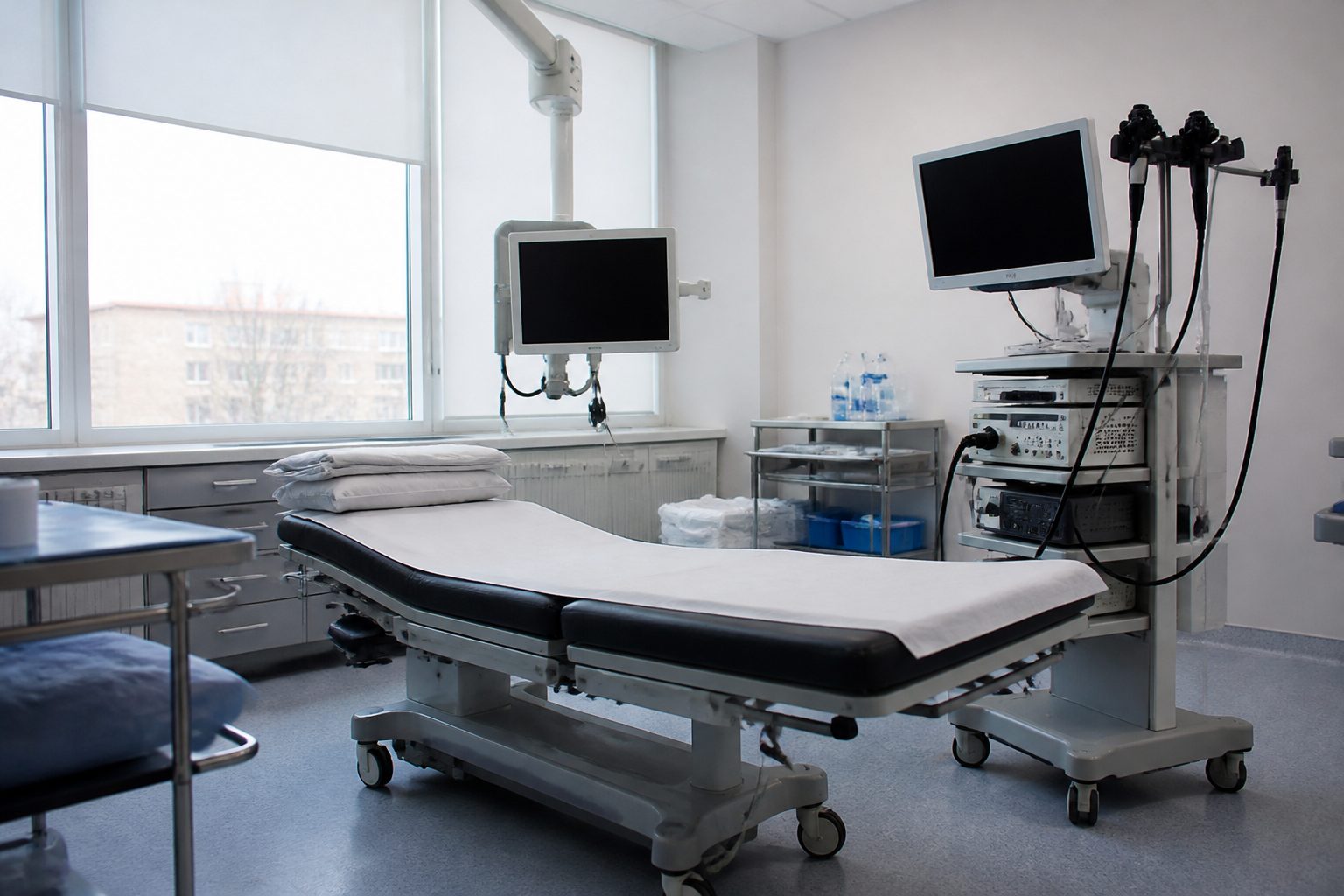
This guide compares the cost of diagnostic endoscopy in 10 countries, with a focus on practical details for international patients. If you need a gastroscopy or colonoscopy for kidney, liver, digestive, or urology concerns, you’ll find what to expect—and what to watch out for—here.
Endoscopy costs range from as little as $70 (₹5,800) in India to over $2,000 in the United States. The actual price depends on the country, hospital, and what is included in the package. Below, you’ll find a detailed international comparison, what’s usually covered, and tips for choosing reliable care.
What is an endoscopy and who needs one?
An endoscopy is a minimally invasive diagnostic procedure that allows doctors to visually examine the interior surfaces of the digestive tract and other hollow organs using a thin, flexible tube equipped with a tiny camera and light, called an endoscope. The most common types include gastroscopy (which explores the esophagus, stomach, and upper part of the small intestine), colonoscopy (which examines the large intestine and rectum), and cystoscopy (which inspects the bladder and urinary tract). Sometimes, specialized endoscopies like bronchoscopy (for the lungs) or ERCP (for the bile ducts and pancreas) are also performed.
Endoscopies are typically recommended for patients experiencing unexplained symptoms such as persistent abdominal pain, chronic indigestion, gastrointestinal bleeding, difficulty swallowing, or significant changes in bowel habits. They are also used for screening purposes, such as checking for colon polyps or early signs of cancer, especially in patients over 50 or those with a family history of gastrointestinal diseases. In some cases, people with chronic liver, kidney, or urinary issues may be advised to undergo an endoscopy to clarify a diagnosis, monitor disease progression, or guide treatment decisions.
The procedure is generally performed as a day-case, meaning patients can go home the same day. Preparation may involve fasting, bowel cleansing, or stopping certain medications. Sedation is usually administered for comfort, and recovery time is minimal, often just a few hours. However, the specifics can vary by country and hospital. For example, in the US and Western Europe, endoscopies are often performed in outpatient surgical centers, while in countries like India or Thailand, they may be done in specialized hospital units. Endoscopy is a key tool for early detection and management of many diseases, making it an essential option for patients with unexplained digestive or urinary symptoms.
How much does an endoscopy cost in 10 countries?
Costs for endoscopy vary widely. Below is a comparison of typical self-pay prices for a standard diagnostic endoscopy (gastroscopy or colonoscopy) in 10 countries. These are indicative prices for private or international-standard hospitals, not subsidized public rates. Prices include the procedure, standard sedation, and basic facility fees unless otherwise noted.
| Country | Indicative cost (USD) | Local currency | What’s usually included | Notes |
|---|---|---|---|---|
| India | $70–$250 | ₹5,800–₹20,700 | Procedure, basic sedation, day room | Biopsy extra; major city rates higher |
| Pakistan | $100–$350 | PKR 28,000–100,000 | Procedure, local sedation, day stay | Biopsy and pathology not always included |
| Bangladesh | $120–$400 | ৳13,500–৳45,000 | Procedure, sedation, observation | Private hospitals only; public rates lower |
| Indonesia | $150–$450 | Rp 2.4–7.2 juta | Procedure, sedation, nursing | International hospitals toward higher end |
| Philippines | $180–$500 | ₱10,000–₱28,000 | Procedure, sedation, basic labs | Big city rates; provincial clinics lower |
| Thailand | $350–$800 | ฿12,500–฿29,000 | Procedure, IV sedation, doctor’s fee | JCI-accredited hospitals at higher end |
| Turkey | $400–$900 | ₺13,200–₺29,500 | Procedure, sedation, recovery | Some packages include biopsy |
| Poland | $500–$1,000 | zł2,000–zł4,000 | Procedure, IV sedation, day stay | Popular for EU medical tourists |
| United Kingdom | $900–$1,800 | £700–£1,400 | Procedure, sedation, pre-assessment | Private rates; NHS wait times long |
| United States | $1,200–$2,200 | — | Procedure, sedation, facility fee | Pathology and anaesthetist often extra |
What is included in the price?
The total price of an endoscopy can vary greatly depending on the country, hospital, and whether you are using public or private healthcare. Most private and international hospitals offer endoscopy packages that typically include the following components:
- Pre-procedure consultation: A meeting with a gastroenterologist, urologist, or relevant specialist to review your symptoms, medical history, and any necessary pre-tests.
- Procedure costs: Use of the endoscopy suite, specialized equipment, and standard consumables (such as biopsy forceps, if included).
- Sedation or anesthesia: Standard sedation is usually included, but deeper anesthesia or an anesthesiologist’s presence may incur an extra fee, especially in Europe or the US.
- Nursing and support staff: Care during and immediately after the procedure, including monitoring in a recovery room or day-care area.
However, it’s important to note that some costs are frequently excluded from the advertised package price. These can differ by country and hospital:
- Biopsy or tissue sampling: If an abnormality is found, taking a biopsy may be billed separately. In India and Thailand, some packages include standard biopsies, while in the US or UK, this often adds a significant extra charge.
- Pathology/laboratory analysis: The cost of analyzing biopsy samples is often not included, especially in Western countries.
- Additional imaging: If the doctor needs to order an ultrasound, CT scan, or other imaging, this will be an extra expense.
- Repeat procedures or follow-up consultations: If a repeat endoscopy or further specialist advice is needed, these are usually billed separately.
- Pre-procedure tests: Blood tests, ECGs, or COVID-19 screenings required before the procedure may not be part of the base price.
Always request a detailed, itemized cost breakdown before booking your procedure. In some countries—such as Turkey, Thailand, or India—major hospitals offer all-in-one packages that cover most or all of these elements. In contrast, hospitals in the US, UK, or Australia often itemize each component, which can lead to higher overall costs. Understanding exactly what is included will help you avoid unexpected expenses and allow you to budget more accurately for your medical trip.
What drives the price differences?
Several factors account for the wide variation in endoscopy costs worldwide:
- Labor costs: Lower staff and facility costs in South Asia and Southeast Asia keep prices down, while Europe and the US have higher wage structures.
- Accreditation and standards: JCI- or NABH-accredited hospitals charge more but often provide higher infection control and patient safety standards.
- Type of sedation: General anaesthesia costs more than conscious sedation. Some hospitals use only local anaesthesia for certain procedures.
- Facility and location: Major city hospitals and those serving international patients are more expensive than regional or local clinics.
- Inclusions and extras: Some hospitals offer fixed-price packages; others bill for each extra (biopsy, pathology, etc.).
In the US and UK, even private hospitals may bill separately for anaesthetist, pathology, and facility fees, which can more than double the base price.
How to choose a hospital for endoscopy
Choosing the right hospital for an endoscopy, especially as an international or self-paying patient, involves evaluating several important factors that can impact both your safety and the overall cost. First, accreditation is critical. Look for hospitals that are certified by international bodies such as the Joint Commission International (JCI), National Accreditation Board for Hospitals (NABH) in India, or relevant national health authorities. Accreditation ensures that the facility meets stringent standards for patient care, infection control, and procedural safety.
- Experience and volume: High-volume centers and hospitals with a dedicated gastroenterology or urology department tend to have more experienced staff and are better equipped to handle complications or unexpected findings during the procedure. For example, major hospitals in Singapore, Turkey, and South Korea are known for their advanced endoscopy units.
- Specialist availability: Confirm that your procedure will be performed by a board-certified gastroenterologist, hepatologist, or urologist, rather than a general surgeon. This is particularly important in countries where regulations may be less strict, or in smaller clinics.
- Language and patient support: For international patients, hospitals with English-speaking staff and dedicated international patient coordinators can make a significant difference. They help with scheduling, translation, and logistics, and can assist in case of emergencies or complications.
- Transparent pricing: Always request a detailed written quote that includes all potential costs, such as sedation, biopsy, pathology, and follow-up consultations. Some hospitals in Thailand and India offer all-inclusive packages, while others (like in the US or UK) may itemize each service.
Before making a decision, read reviews from other international patients and check independent rating platforms. Clarify the hospital’s protocol if an abnormality is found during the endoscopy—will they be able to perform a biopsy or minor treatment immediately, and what are the costs involved? Inquire about aftercare services, emergency support, and whether the hospital can assist with travel arrangements or accommodation if needed. Taking these practical steps will help you choose a hospital that offers both high-quality care and value for money.
Hidden costs and how to avoid them
The headline price for endoscopy rarely includes every possible fee. Common hidden costs include:
- Biopsy and pathology: If a suspicious area is found, tissue sampling and laboratory analysis can add $30–$300 depending on country and extent.
- Pre-procedure tests: Bloodwork, ECG, or chest X-ray may be required for older or higher-risk patients, costing $20–$150 extra.
- Repeat or additional procedures: If colonoscopy preparation is inadequate, you may need to repeat the procedure, incurring new charges.
- Medication: Sedatives or medications to manage side effects may be billed separately.
- Consultation fees: An initial doctor’s visit may not be included in the package price.
To avoid surprises, insist on a full written estimate and ask what happens if additional tests or interventions are needed during your endoscopy.
How to save money safely
Undergoing an endoscopy abroad can be significantly more affordable, but it’s essential to balance cost savings with patient safety and quality of care. Here are some practical and country-specific strategies to help you minimize expenses without compromising your health:
- Choose cost-effective destinations: Countries like India, Thailand, Turkey, and Mexico offer high-quality endoscopy services at a fraction of the price found in the US, UK, or Australia. These countries have internationally accredited hospitals, skilled specialists, and established medical tourism infrastructure.
- Opt for fixed-price packages: Many hospitals in Asia and Eastern Europe provide comprehensive packages that include pre-procedure consultation, sedation, the procedure itself, standard biopsies, pathology, and recovery room charges. These packages reduce the risk of surprise bills—always confirm the inclusions and exclusions in writing.
- Book directly with hospitals: Avoid third-party agencies or brokers, as they may add substantial markups. Contact the hospital’s international patient office directly to negotiate rates and clarify services. Some hospitals offer discounts for self-paying or international patients.
- Pre-procedure labs at home: If your chosen hospital permits, complete routine blood tests or COVID-19 screening at an accredited lab in your home country. This can be less expensive and helps avoid delays upon arrival.
- Travel smart: Plan your trip during the off-peak season to take advantage of lower airfare and hotel rates. Many hospitals in Turkey and Thailand offer partnerships with local hotels for discounted stays.
Never cut corners on infection control, doctor qualifications, or hospital accreditation. Always verify the facility’s credentials, read recent patient reviews, and ensure the hospital follows international safety protocols. Saving money should not come at the expense of your health—prioritize reputable facilities with transparent policies and experienced staff.
Planning your trip: timing, recovery, and next steps
Careful planning is essential for a smooth endoscopy experience, especially if you’re traveling internationally. Most diagnostic endoscopies are performed as outpatient procedures, allowing you to return to your hotel or accommodation the same day. However, practical considerations vary by country and hospital, and international patients should plan for the following stages:
- Pre-procedure preparation: Arrive in the city at least 1–2 days before your scheduled endoscopy. This allows time for an initial consultation, any required blood tests, and bowel preparation (for colonoscopy). In some countries, additional screenings like COVID-19 tests may be mandatory.
- Procedure and immediate recovery: After the endoscopy, you’ll typically spend a few hours in a recovery area while the effects of sedation wear off. Most hospitals recommend that you do not drive or travel alone for at least 12–24 hours after sedation. It’s wise to have a companion or arrange for hospital transport services.
- Post-procedure stay: Plan to stay at least one extra day in the city after your procedure to monitor for any delayed side effects, such as bleeding or fever, and to attend a follow-up consultation if required. If a biopsy or additional treatment is needed, this could extend your stay by several days.
Before you travel, gather all relevant medical records, a list of medications, allergy information, and recent test results. Some hospitals offer airport pickup, hotel discounts, or patient concierge services—ask about these when booking. In countries like South Korea and Singapore, international patient offices often coordinate these logistics.
If the endoscopy reveals a condition needing further treatment (such as polyps, gallstones, hernia, or kidney stones), ask the hospital about bundled treatment packages or next steps before returning home. This proactive approach can save time, reduce costs, and ensure seamless continuity of care. Always confirm your follow-up plan with your doctor and know how to access emergency support if needed after you leave the hospital.
Frequently asked questions
How long does an endoscopy take and will I be awake?
The procedure itself usually takes 15–30 minutes. Most patients receive light sedation, so you may be drowsy but generally not fully awake. Full recovery from sedation takes 1–2 hours. You should not drive or make important decisions for the rest of the day.
Is endoscopy safe for international patients?
Endoscopy is considered low risk when performed at accredited hospitals. Complications are rare but can include bleeding, infection, or perforation. Choose a hospital with experienced doctors and ask about emergency protocols before booking.
Can I combine endoscopy with other tests or treatments?
Yes, many hospitals offer bundled check-up packages that include endoscopy, ultrasound, and basic blood tests. If you need treatment for gallstones, kidney stones, or hernia, ask about multi-procedure discounts and coordinated care.
Do I need to fast before an endoscopy?
Yes. For gastroscopy, you’ll be asked to fast for at least 6–8 hours. For colonoscopy, bowel preparation is required, usually with a laxative solution the day before. Follow your doctor’s instructions carefully to avoid delays or repeat procedures.
Will my insurance cover international endoscopy?
Some international health insurance plans cover diagnostic endoscopy abroad, but many do not. Ask your insurer for pre-authorization and check if your chosen hospital can provide the necessary paperwork for reimbursement.
Related guides
Disclaimer: Prices in this article are indicative and vary by hospital, city, and patient condition. Always request a detailed written quote and consult a qualified doctor before making any medical decisions or travel plans.